


Acids are chemical compounds characterized by their ability to donate positively charged hydrogen ions (H+). They commonly dissolve in water, releasing these hydrogen ions, leading to the formation of hydronium ions. Acids range in strength from strong acids like hydrochloric acid and sulfuric acid to weak acids such as acetic acid found in vinegar. They are known for their sour taste and their ability to react with bases to form salts. Acids play a pivotal role in various applications, from industrial processes like chemical synthesis to everyday uses like food preservation and cleaning. They're also crucial in biological systems, involved in processes within the human body and other living organisms. The pH scale measures the acidity or basicity of a substance, with acids having a pH less than 7, indicating their acidic nature.

Additives and modifiers cover a wide range of chemical allies, from UV stabilizers in plastics to viscosity enhancers in lubricants. They make it possible to fine-tune products to satisfy exacting requirements. These substances are essential for solving complex problems and attaining desired improvements in a wide range of applications.

Bases are chemical compounds that can accept positively charged hydrogen ions (H+) and either release hydroxide ions (OH-) or react with acids to neutralize them. They commonly dissolve in water, forming solutions that are capable of conducting electricity. Bases vary in strength from strong bases like sodium hydroxide to weak bases like baking soda (sodium bicarbonate). They typically have a bitter taste and a slippery feel. Bases are used in various applications, including household cleaning products, pharmaceuticals, and industrial processes. Bases have a pH greater than 7 on the pH scale, which measures the acidity or basicity of substances, indicating their alkaline nature.
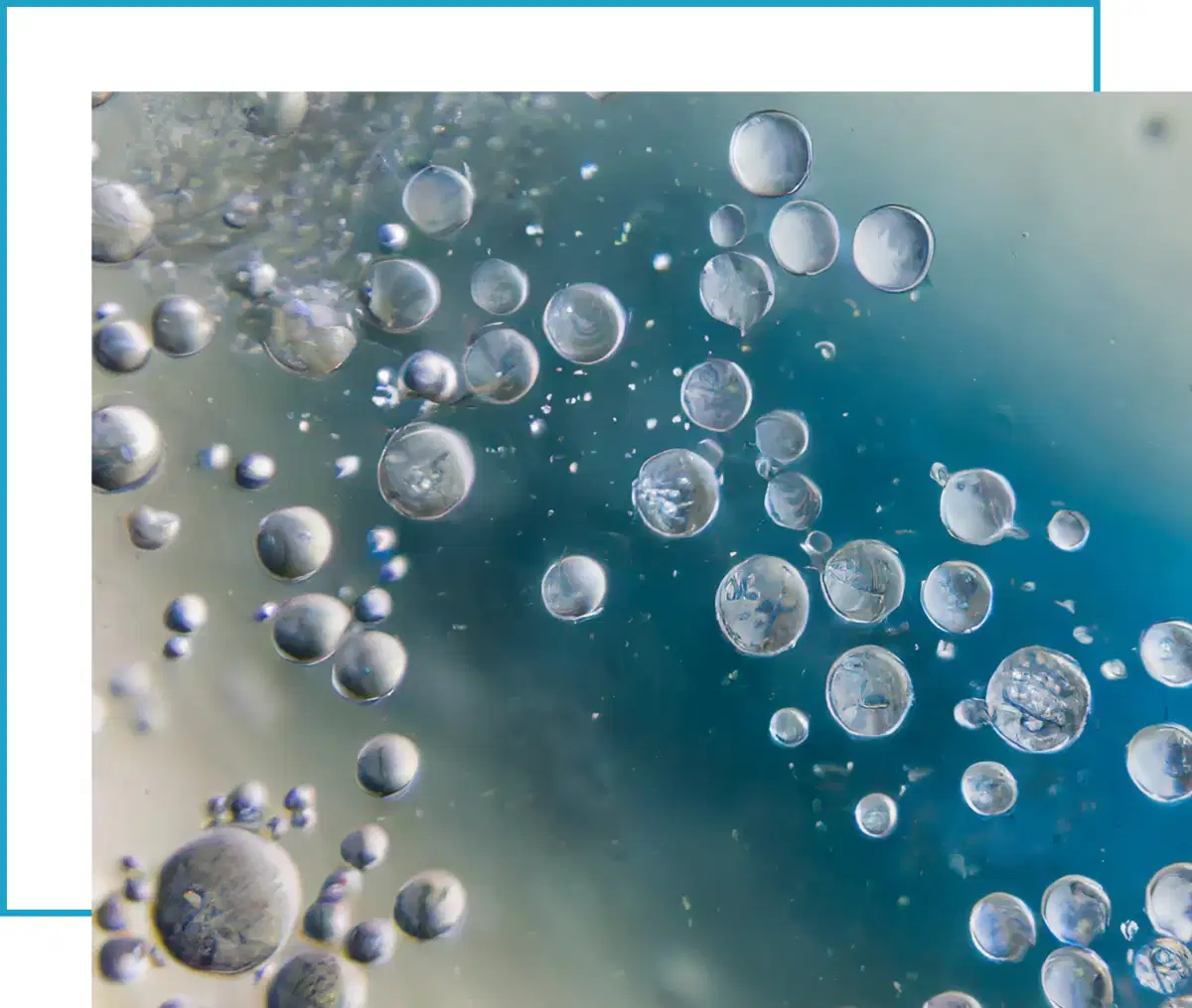
Cheating agents and builders are substances that are frequently used to improve the performance of various industries, such as detergents and cleaning products. By helping to sequester metal ions, chelating agents keep them from interfering with the performance of cleaning agents. Builders contribute to the softening of water, increasing the cleaning and detergent efficacy of products.

Essential oils are concentrated, aromatic compounds extracted from plants through methods like distillation or cold-pressing. These oils capture the plant's natural fragrance and contain the essence of its characteristic scent. They're highly valued for their various therapeutic and aromatic properties. Essential oils are commonly used in aromatherapy, skincare, natural remedies, and even in household cleaning products. Their natural origin and diverse applications make essential oils popular choices for holistic wellness and natural health care.

Inorganic chemicals are compounds that do not primarily contain carbon-hydrogen (C-H) bonds. They consist of elements other than carbon, and they can be naturally occurring minerals or synthesized materials. Inorganic chemicals cover a broad spectrum of substances, including minerals, metals, salts, and various compounds that do not fall under the category of organic chemistry. These substances have widespread applications in industries such as construction, electronics, agriculture, and manufacturing.

Oleochemicals are compounds derived from natural plant and animal fats. They're used as key ingredients in a diverse array of products, including soaps, detergents, cosmetics, and even food additives. These chemicals are sourced from renewable raw materials like vegetable oils, animal fats, and even recycled cooking oil. Oleochemicals are known for their eco-friendly nature, as they are biodegradable and often serve as sustainable alternatives to petroleum-based products. Their versatility makes them crucial in various industries, playing a significant role in creating environmentally conscious and bio-based products.

Organic chemicals are compounds primarily composed of carbon along with other elements like hydrogen, oxygen, nitrogen, sulfur, and more. They form the basis of a vast range of substances found in nature or produced through chemical synthesis. Organic chemicals are incredibly diverse, encompassing everything from simple molecules like methane and ethyl alcohol to complex structures like pharmaceuticals and polymers. They play a fundamental role in various fields including medicine, agriculture, manufacturing, and everyday consumer products.

Oxides are chemical compounds formed when oxygen combines with other elements. They can be classified into acidic, basic, or amphoteric oxides based on their chemical properties. Acidic oxides react with water to form acidic solutions, while basic oxides form basic solutions. Amphoteric oxides can exhibit both acidic and basic properties depending on the conditions. Common examples include carbon dioxide (CO2), which can form an acidic solution when dissolved in water, and calcium oxide (CaO), known as quicklime, which reacts with water to produce a basic solution. Oxides have a broad range of applications, from industrial uses like in metal smelting to everyday applications like in building materials, as well as playing essential roles in biological and environmental systems.

Petrochemicals are substances derived from petroleum or natural gas. They're the building blocks for a wide range of products we use daily, such as plastics, solvents, and fertilizers. These materials are created from various chemical processes that transform raw materials like crude oil or natural gas into valuable compounds. Petrochemicals play a significant role in modern manufacturing, contributing to items like synthetic fibers in clothing, plastic packaging, and even pharmaceuticals. Their versatility and widespread use make them fundamental in many industries, impacting our daily lives in numerous ways.

Phosphorus compounds are a broad class of chemical materials that contain phosphorus. These substances are essential to many different industries because they can be used as flame retardants in textiles and plastics, scale and corrosion inhibitors in water treatment, fertilizers in agriculture, and detergent components. Because of their many applications and adaptable qualities, phosphorus compounds are important for advancing various industrial sectors.

Salts are chemical compounds formed by the ionic bonding of positively charged ions (cations) and negatively charged ions (anions). They are created through the reaction of an acid with a base, resulting in the formation of a neutral compound. Salts can take various forms, from crystalline solids to dissolved ions in solution. Common examples include table salt (sodium chloride), Epsom salt (magnesium sulfate), and calcium carbonate. Salts have diverse applications, including as flavor enhancers in food, in chemical processes, as electrolytes in batteries, and in various industrial and biological functions.

Solvents are substances capable of dissolving other materials, forming solutions. They are commonly used in various applications, such as cleaning, manufacturing, and as a medium for chemical reactions. Solvents work by breaking down other substances, facilitating their dispersion and allowing different elements to mix. They come in various types, including water, alcohols, and hydrocarbons, each with unique properties suitable for dissolving specific materials. Their versatility in dissolving various substances makes solvents integral in a wide array of industries, including pharmaceuticals, paints, adhesives, and beyond.
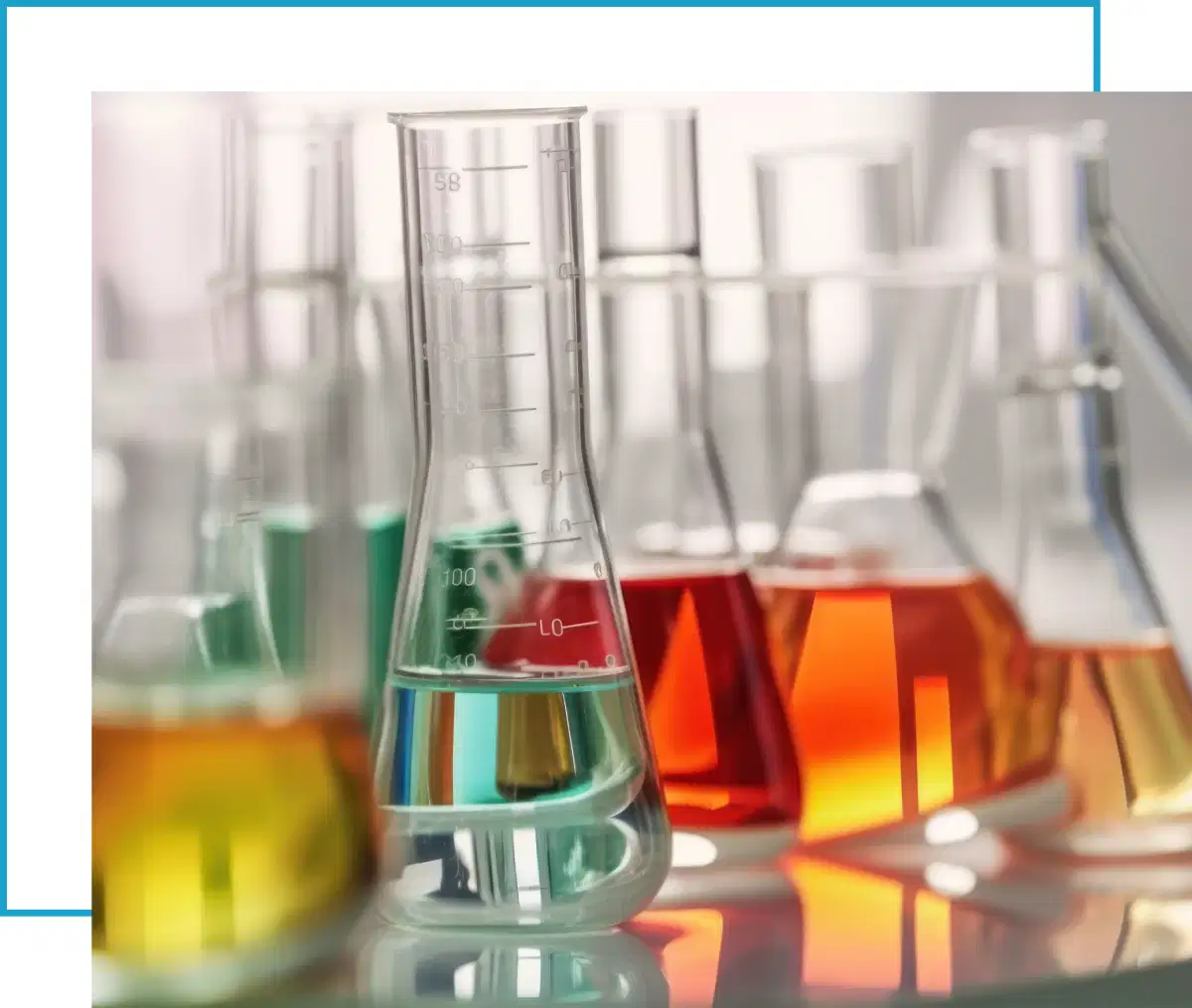
Specialty chemicals represent a category of compounds that are designed and synthesized to address specific and often niche applications. These chemicals cover a wide range, from sophisticated polymers and high-purity solvents to intricate surfactants and distinctive additives. They are specifically designed to fulfill the requirements of sectors like electronics, pharmaceuticals, and aerospace, where conventional chemicals are insufficient.

Surfactants are specialized compounds that have a unique ability to lower surface tension between different substances. These substances are widely used in everyday products like detergents, soaps, shampoos, and even in industrial applications. Their main role is to help substances mix together that would typically separate, like oil and water. Surfactants have two parts to their molecular structure: one end is attracted to water (hydrophilic), while the other end is attracted to oil and grease (hydrophobic). This dual nature allows them to efficiently break down dirt and grease, making them effective in cleaning processes. In addition to cleaning, surfactants also play a role in various industrial processes, cosmetics, and pharmaceuticals due to their unique properties that aid in dispersion, wetting, and foaming.