

Acrylonitrile-Butadiene-Styrene (ABS): Why the Three-Monomer Chain Creates Unique Supply Risk
Introduction
Acrylonitrile-Butadiene-Styrene (ABS) is one of the world's most widely used engineering thermoplastics, valued for its strength, impact resistance, dimensional stability, and ease of processing. It is found in automotive components, consumer electronics, medical devices, household appliances, industrial equipment, and countless consumer products.
Unlike many commodity plastics, ABS is not produced from a single raw material. Instead, it is manufactured by combining three distinct monomers—acrylonitrile, butadiene, and styrene—each with its own production process, feedstock dependencies, market dynamics, and supply chain risks. This interconnected structure makes ABS procurement more complex than many other polymer sourcing decisions.
For procurement professionals, understanding the three-monomer value chain is essential for anticipating price movements, managing supply disruptions, and building resilient sourcing strategies.
What Is ABS?
ABS is an engineering thermoplastic created by polymerizing three chemical building blocks:
Acrylonitrile – Provides chemical resistance, heat resistance, and rigidity.
Butadiene – Improves toughness, flexibility, and impact resistance.
Styrene – Delivers surface finish, dimensional stability, and ease of processing.
The combination of these properties makes ABS suitable for applications requiring both durability and attractive appearance.
The ABS Value Chain
ABS production depends on multiple upstream chemical supply chains working together.
Step 1: Feedstock Production
The three monomers originate from different petrochemical processes:
Acrylonitrile is primarily produced using propylene and ammonia through the ammoxidation process.
Butadiene is mainly recovered as a co-product during steam cracking for ethylene production.
Styrene is manufactured from ethylbenzene, which is produced from benzene and ethylene.
Each feedstock responds differently to changes in energy prices, refinery operations, and petrochemical demand.
Step 2: Monomer Manufacturing
Each monomer is produced in specialized facilities with unique operating conditions, maintenance schedules, and regional production capacities.
Step 3: ABS Polymerization
The three monomers are combined through controlled polymerization processes to produce ABS grades with specific mechanical and thermal properties.
Step 4: Component Manufacturing
ABS resin is molded or extruded into finished products used across multiple industries.
Why the Three-Monomer Chain Creates Unique Supply Risk
Unlike polymers that depend on a single feedstock, ABS availability is influenced by the combined performance of three separate chemical markets.
Multiple Feedstock Dependencies
A disruption affecting acrylonitrile, butadiene, or styrene production can limit ABS manufacturing, even if the other two monomers remain readily available.
Independent Pricing Cycles
Each monomer has its own supply-demand balance. As a result, ABS pricing may fluctuate even when overall petrochemical markets appear stable.
Capacity Constraints
Production capacity varies significantly among the three monomers, making shortages more likely in one segment than another.
Logistics Complexity
Each raw material may originate from different suppliers, countries, or transportation networks, increasing coordination challenges.
Industries Driving ABS Demand
ABS consumption is influenced by several major manufacturing sectors.
Automotive
ABS is widely used for dashboards, interior trim, mirror housings, grilles, and various structural components because of its durability and impact resistance.
Consumer Electronics
Televisions, computers, printers, gaming consoles, routers, and small appliances frequently incorporate ABS due to its excellent mechanical properties and high-quality surface finish.
Medical Devices
Diagnostic equipment housings, laboratory instruments, medical carts, and selected healthcare products use specialized medical-grade ABS formulations.
Household Appliances
Refrigerators, washing machines, vacuum cleaners, air conditioners, and kitchen appliances depend heavily on ABS components.
Industrial Equipment
Machinery covers, safety housings, storage systems, and electrical enclosures often utilize ABS for its balance of strength and processability.
Procurement Challenges
Procurement professionals managing ABS sourcing face several unique considerations.
Monitoring Three Separate Markets
Effective procurement requires tracking developments in the acrylonitrile, butadiene, and styrene markets rather than focusing solely on ABS pricing.
Supplier Qualification
Not all resin manufacturers have access to stable supplies of all three monomers. Supplier integration and raw material sourcing strategies should be carefully evaluated.
Inventory Planning
Lead times may increase if one monomer experiences shortages, requiring more flexible inventory management for critical applications.
Price Forecasting
ABS pricing often reflects changes across multiple upstream feedstocks, making forecasting more complex than for single-feedstock polymers.
Best Practices for Procurement Professionals
Organizations can strengthen ABS sourcing strategies by adopting a proactive procurement approach.
Diversify Supplier Networks
Qualify multiple resin suppliers across different geographic regions to reduce dependence on a single source.
Monitor Feedstock Markets
Track propylene, benzene, ethylene, and steam cracker operating rates, as these influence monomer availability and production costs.
Strengthen Supplier Collaboration
Maintain regular communication with suppliers regarding raw material availability, maintenance schedules, and capacity utilization.
Use Market Intelligence
Leverage procurement analytics to monitor pricing trends, logistics disruptions, geopolitical developments, and regional production changes.
Develop Contingency Plans
Prepare alternative sourcing options and inventory strategies for critical manufacturing operations.
Emerging Trends in the ABS Market
Several developments are shaping the future of ABS production and procurement.
Key trends include:
Expansion of integrated petrochemical complexes
Increased production of recycled ABS materials
Growth in electric vehicle manufacturing
Rising demand for high-performance engineering plastics
Improved process efficiency through advanced catalysts
Greater digitalization of procurement and supply chain management
These trends are expected to influence supply availability and sourcing strategies over the coming years.
Conclusion
ABS is a high-performance engineering polymer whose supply chain is inherently more complex than many other plastics because it depends on three separate monomers—acrylonitrile, butadiene, and styrene. Each monomer has its own production economics, market drivers, and supply risks, creating a unique procurement challenge.
For procurement professionals, understanding the interconnected nature of the ABS value chain is essential for managing supply disruptions, forecasting price movements, and ensuring reliable material availability. By diversifying suppliers, monitoring upstream monomer markets, strengthening supplier partnerships, and using data-driven procurement tools, organizations can build more resilient sourcing strategies and better navigate the complexities of the global engineering plastics market.
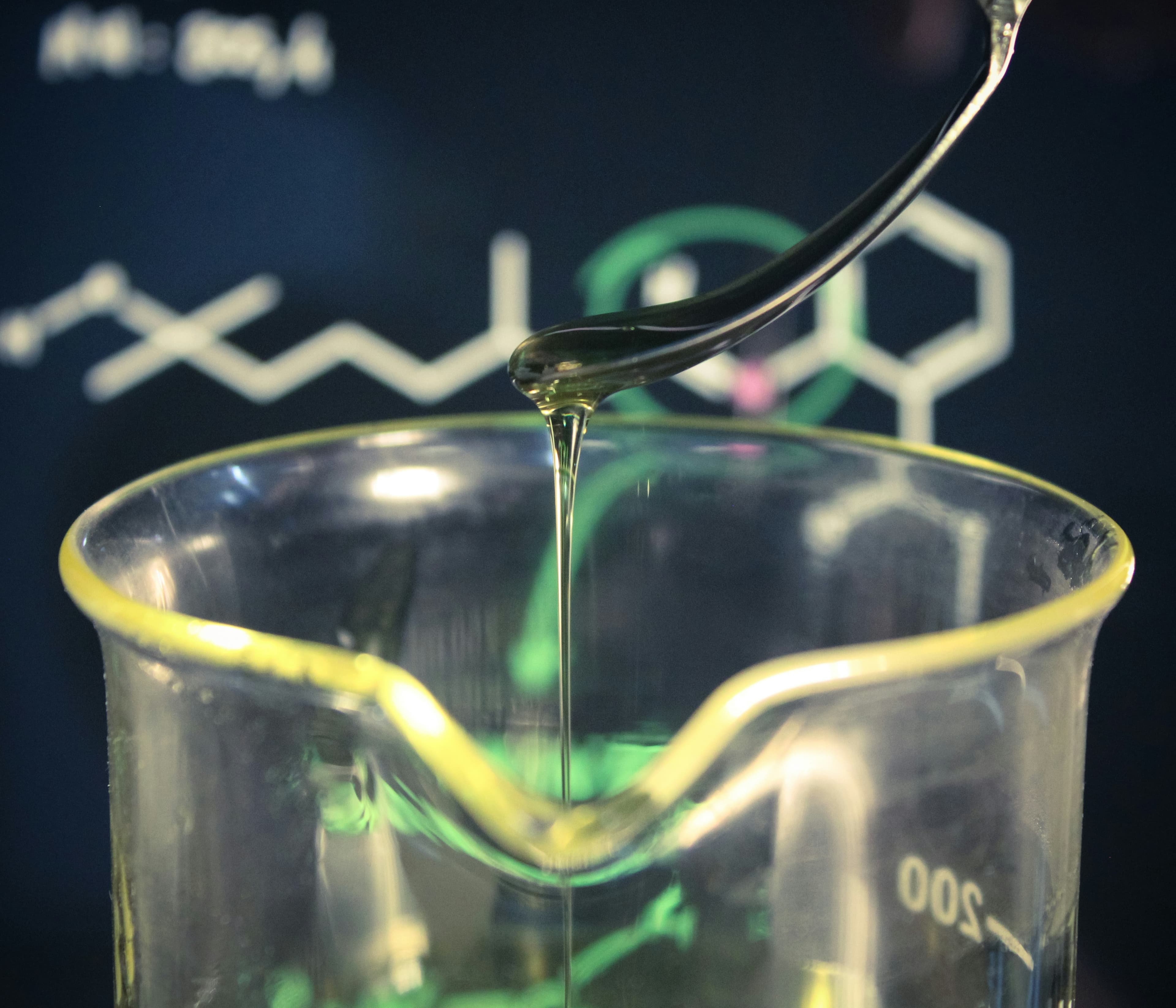
Acrylonitrile Butadiene Styrene (ABS) CAS: 9003-56-9