
Liquid Ammonia CAS: 166412-78-8
Liquid Ammonia CAS: 166412-78-8
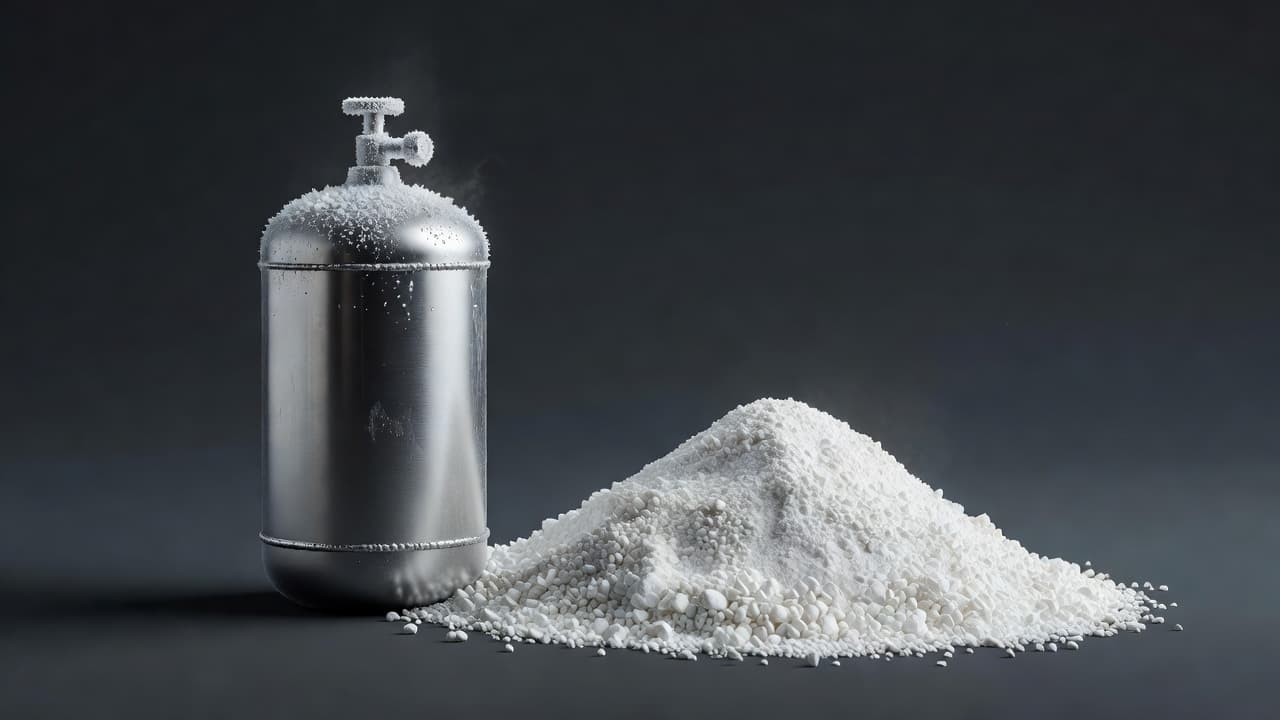
Geopolitical tensions are disrupting more than oil and gas markets. Helium and fertilizer supply chains are also under pressure, making procurement planning increasingly important for manufacturers, distributors and agricultural suppliers.
The Strait of Hormuz disruption is increasingly viewed as a long-term turning point rather than a temporary supply shock. Procurement teams are adapting sourcing strategies, supplier networks and inventory policies for a more resilient petrochemical supply chain.
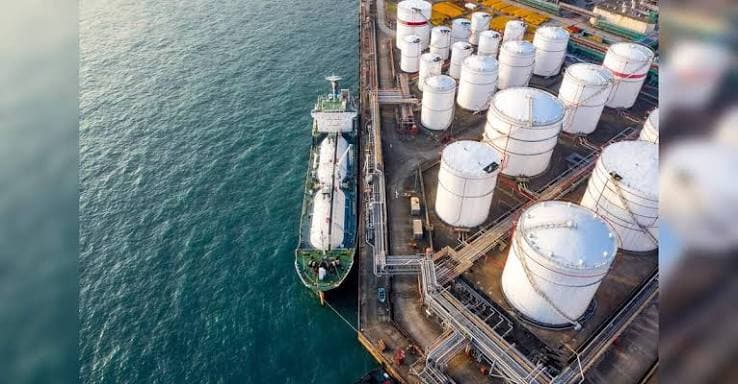
Japan's chemical industry enters H2 2026 after overcoming its most severe naphtha supply disruption in decades. The country's rapid diversification of feedstock sourcing may prove to be the most important long-term outcome of the Hormuz crisis, reshaping procurement strategies well beyond the recovery period.

The first week of July marks a critical contracting period for global sucralose buyers. With structural demand rising alongside GLP-1 medication adoption and Chinese producers preparing H2 pricing announcements, procurement decisions made now could influence ingredient costs for the rest of 2026.
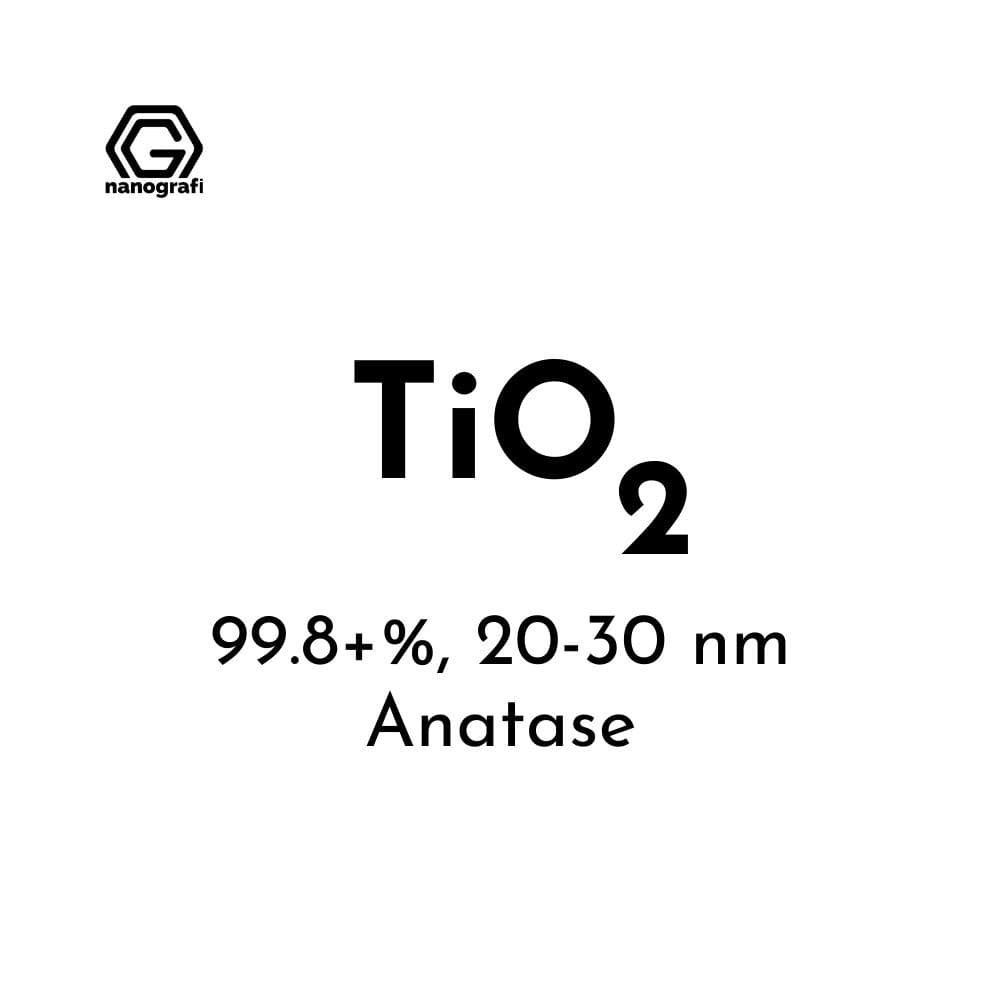
The global titanium dioxide (TiO2) market remains divided between Chinese oversupply and European supply constraints. As Brent crude falls below $80 per barrel and freight costs ease, Chinese TiO2 exports are becoming increasingly competitive in Europe, reshaping procurement decisions for coatings, plastics, and pigment buyers.
Rising freight rates and new customs requirements are increasing landed costs for OTC and consumer healthcare manufacturers. Procurement teams must reassess sourcing strategies and documentation compliance to avoid disruptions.
We're committed to your privacy. Tradeasia uses the information you provide to us to contact you about our relevant content, products, and services. For more information, check out our privacy policy.