
Related Insights

Trump's Hormuz Toll Reversal: Why Rapid Policy Changes Matter for Chemical Compliance Teams
The withdrawal of the proposed 20% Hormuz cargo fee only days after it was announced highlights how quickly trade policy can change. Chemical procurement and compliance teams should document policy shifts and maintain flexible compliance processes to reduce operational risk.

One Big Beautiful Bill Act: How US Tax Policy Is Reshaping Chemical Industry Investment in 2026
The H.R.1 One Big Beautiful Bill Act has become an important factor influencing capital allocation across the US chemical industry. Procurement teams, investors and manufacturers should understand how tax policy can affect production capacity, supply chains and long-term sourcing decisions.

Retailer Dye Removal Pledges: What 2026‑2027 Deadlines Mean for Food Manufacturers
Retailers are tightening their standards on synthetic food dyes, setting 2026‑2027 deadlines that force manufacturers to reexamine ingredient sourcing and reformulation strategies. The shift toward natural colorants and clean‑label compliance reshapes product development, cost structures, and supply chains. This article breaks down the commitments, impacts, and practical steps for food companies.
PFAS Policy Divergence: Federal Rollback vs State Acceleration
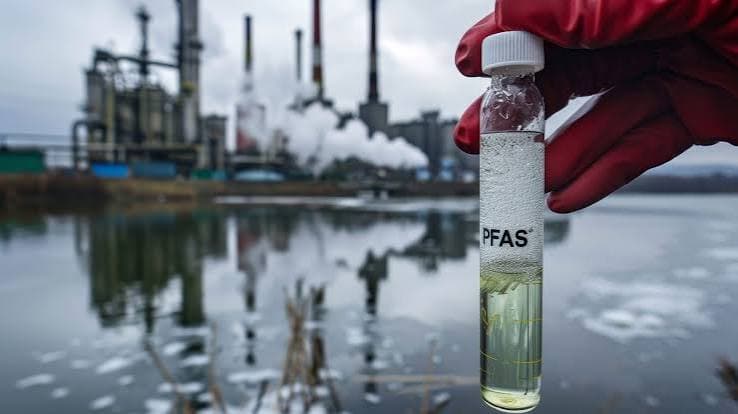
Federal EPA proposals would rescind selected PFAS drinking-water limits while several states continue expanding product bans, labels, and reporting duties. Chemical companies with national distribution need dual-track monitoring, destination-specific compliance records, and stronger supplier data controls.

PFAS Post-Hearing: Building Your July 20 Comment Strategy
The EPA's PFAS public hearing has concluded, but the written comment period remains open until July 20. For chemical procurement professionals, well-supported written submissions can have a greater influence on the rulemaking record than hearing testimony alone.
Sustainability in Chemical Procurement: Frameworks, Standards, and What "Credible" Looks Like
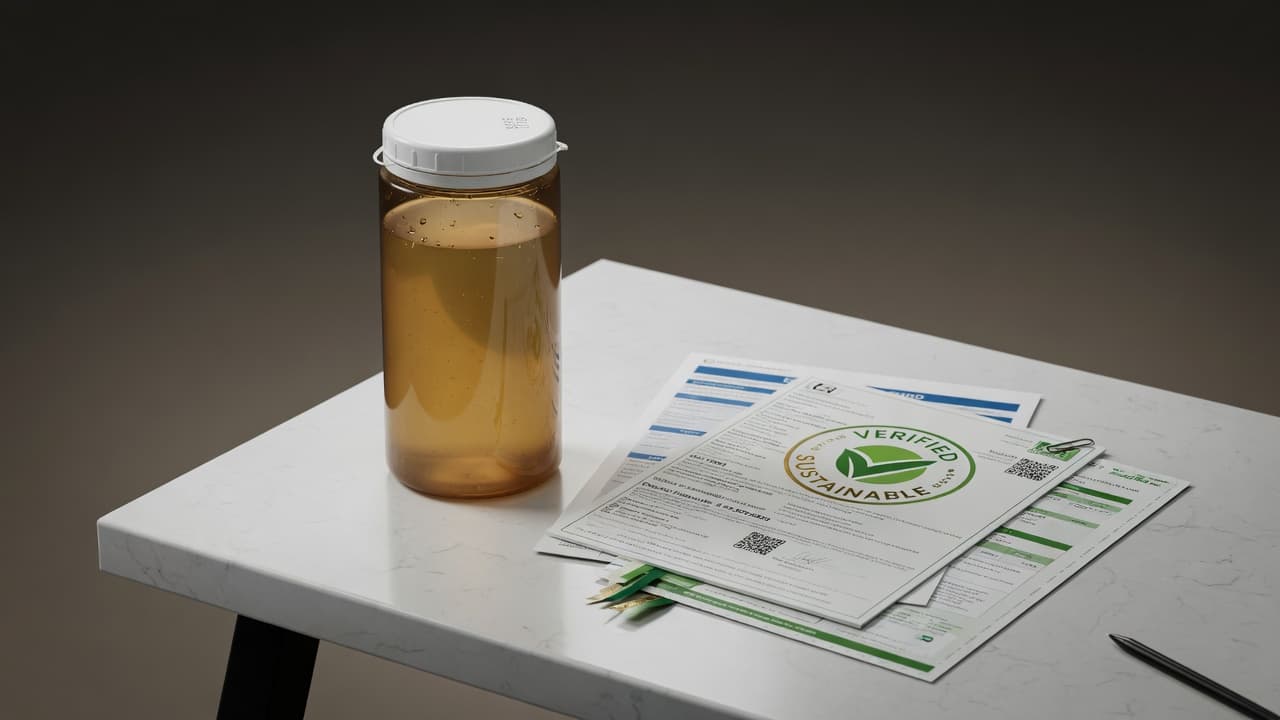
Sustainability claims have become common across the chemical industry, but not all certifications provide the same level of assurance. This guide explains the leading sustainability frameworks and helps procurement teams evaluate supplier claims with greater confidence.
Don't miss out on our updates! Subscribe to our newsletter now
We're committed to your privacy. Tradeasia uses the information you provide to us to contact you about our relevant content, products, and services. For more information, check out our privacy policy.