
Dicalcium Phosphate CAS: 7757-93-9
Dicalcium Phosphate CAS: 7757-93-9

The IMF's April 2026 Regional Economic Outlook highlights the strategic importance of the Strait of Hormuz to global oil, helium, sulfur, ammonia and petrochemical feedstock flows. Chemical procurement teams can use this multilateral data to strengthen supply chain risk assessments and executive decision making.
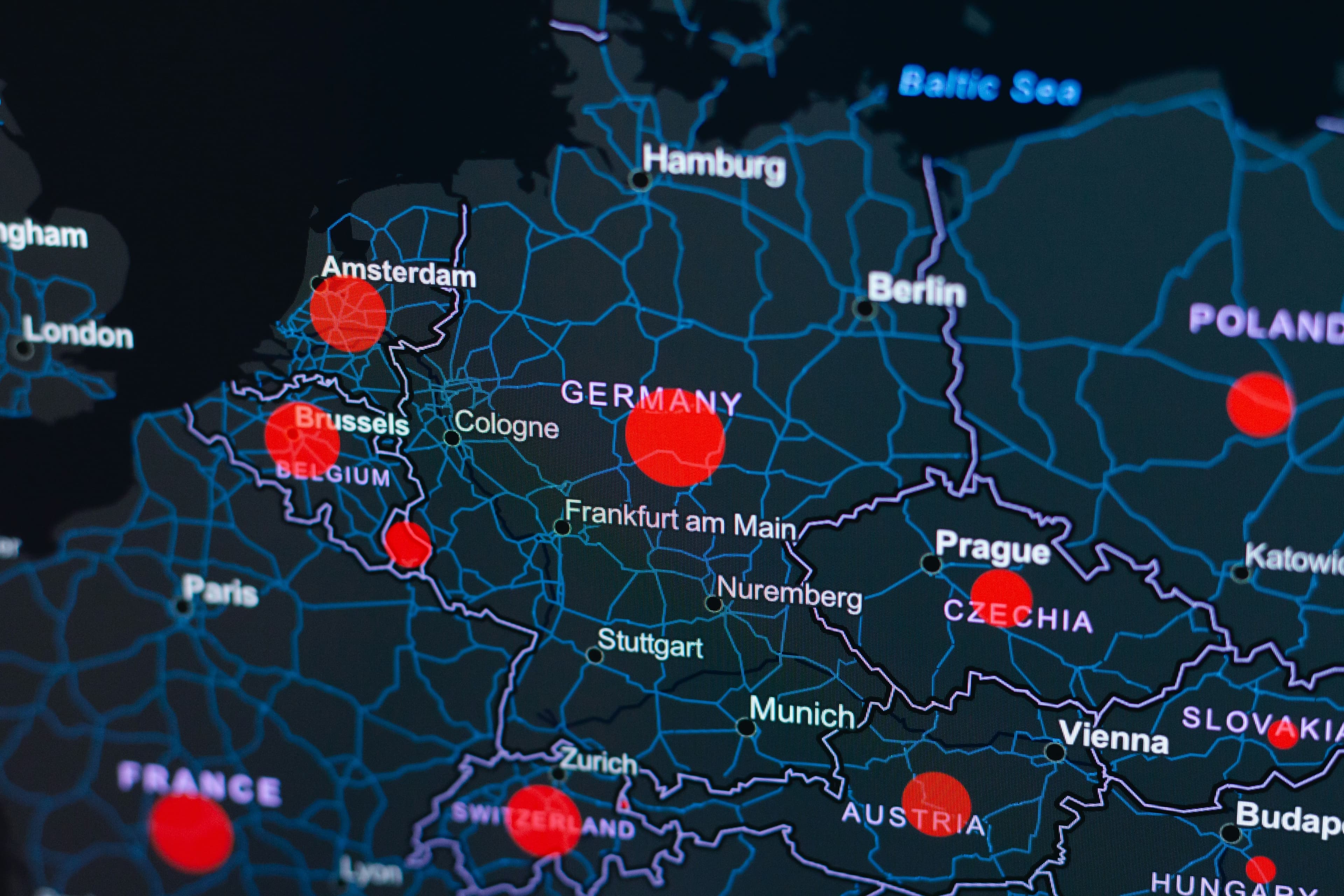
Chemeurope confirmed that German chemical and pharmaceutical production fell by 2.8% in Q1 2026
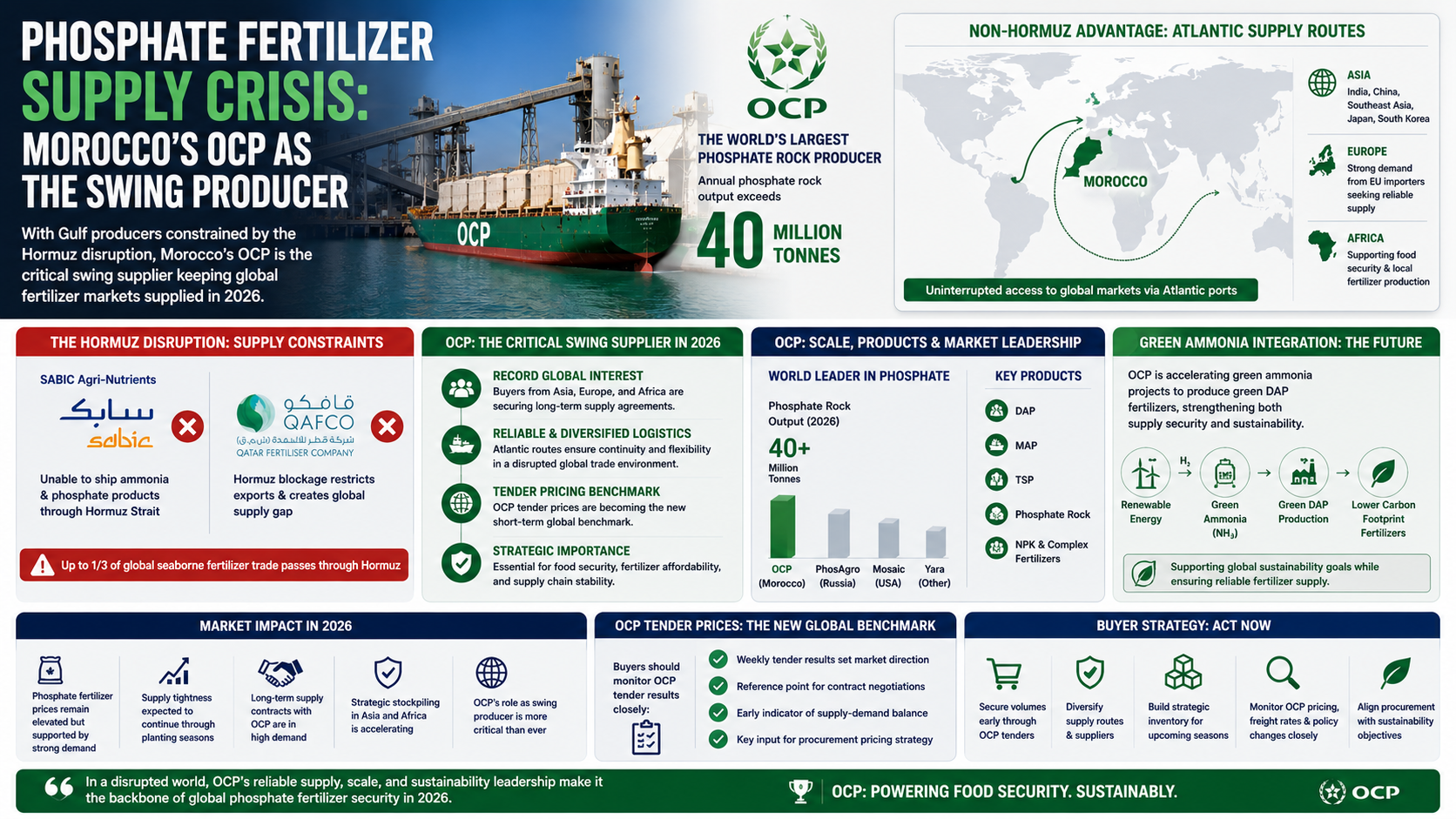
Morocco enters H2 2026 with OCP firmly established as one of the world's most strategically important fertilizer suppliers. The Hormuz disruption strengthened the company's role in global procurement, transforming its Atlantic export route into a long-term competitive advantage.
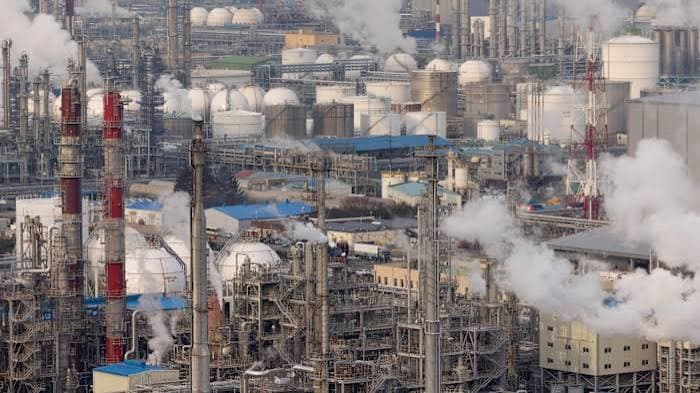
The return of Gulf polymer exports is reshaping global procurement strategies for PE, PP and PVC in Q3 2026. With Gulf, US and Chinese suppliers competing once again, buyers have a rare opportunity to compare multiple origins, negotiate better pricing and strengthen supply security.

South Korea’s petrochemical sector is emerging from a wave of force majeure declarations as LG Chem, Lotte Chemical and Hanwha Solutions resume normal cracker operations. Naphtha and LPG supplies are stabilising, Brent crude is stabilising, and battery‑material chemicals such as NMP, PVDF and LiPF6 are seeing renewed demand. Global buyers must navigate contract renegotiations, delivery commitments and a tightening supply chain to secure competitive pricing and reliable logistics.
Urea prices fell 37% in June 2026 as Hormuz ceasefire progress eased supply fears and Gulf exports moved toward recovery. For fertilizer buyers, the correction creates opportunity, but China’s export restrictions remain a major market risk.
We're committed to your privacy. Tradeasia uses the information you provide to us to contact you about our relevant content, products, and services. For more information, check out our privacy policy.