
Corn Gluten Meal (60% Min Protein) - Indonesia CAS: 66071-96-3

Protective measures introduced by the Saudi-led coalition are drawing attention across global shipping markets. Chemical procurement and compliance professionals should monitor how these initiatives could influence future maritime security regulations and logistics planning.

The conflict's expansion to bridges, utilities and ports broadens infrastructure risk for ingredient logistics.
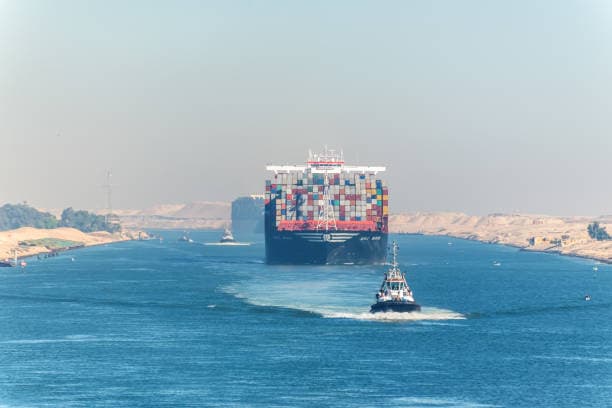
The Houthis are once again threatening to close the Red Sea shipping lanes, a move that could ripple across global trade, freight costs, and chemical logistics. This article examines how the threat impacts freight disruption, fertilizer shipping, and supply chain risk, and explores alternative routes and mitigation strategies.
War-risk insurance premiums surged by around 50% during the earlier Gulf disruption, increasing logistics costs for chemical shipments. Procurement and compliance teams should understand how insurance pricing and regulatory oversight can influence sourcing decisions and freight budgets.

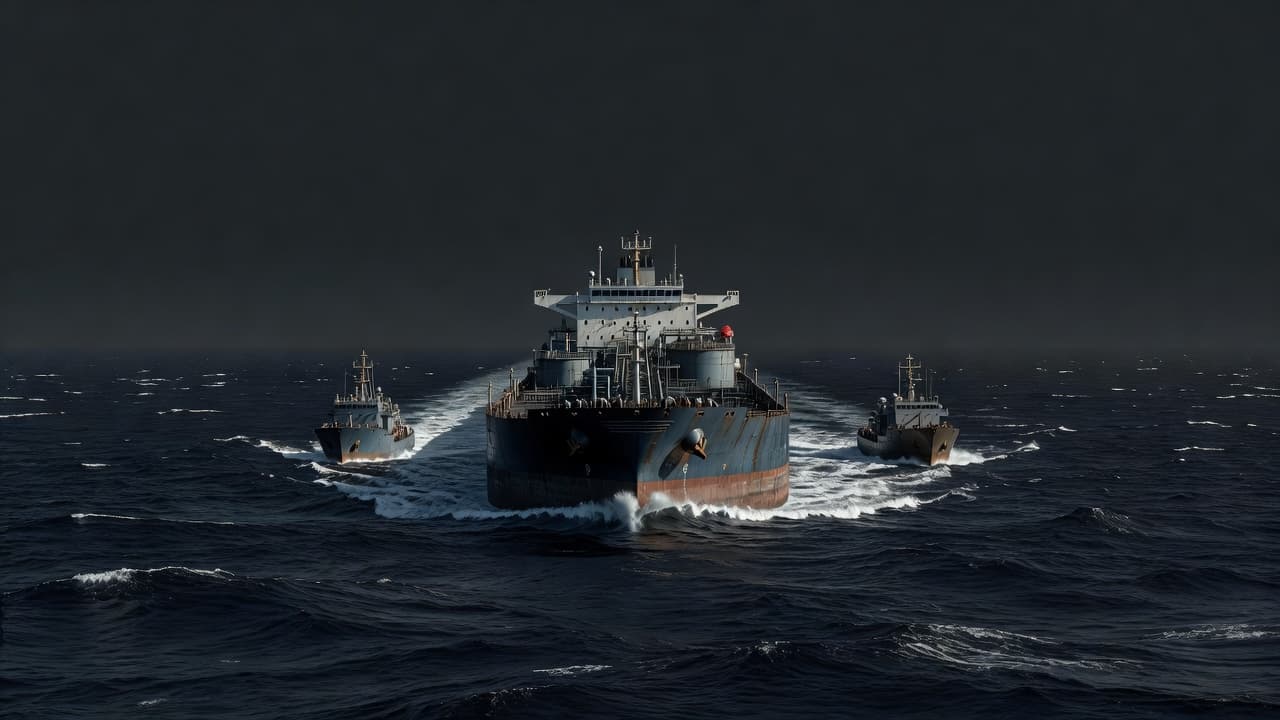
The widespread use of AIS-disabled "dark tankers" during the Hormuz crisis created new compliance and documentation challenges for global chemical supply chains. As escorted convoy operations expand, improved vessel traceability is becoming an important commercial advantage for buyers operating under strict regulatory and quality requirements.

Force majeure declarations triggered by the Hormuz crisis are now entering a structured wind-down phase across chemical supply chains. Procurement and legal teams must formalise documentation to avoid pricing disputes, liability gaps and contract ambiguity in H2 2026.
We're committed to your privacy. Tradeasia uses the information you provide to us to contact you about our relevant content, products, and services. For more information, check out our privacy policy.