
Related Insights
8.5 Million Barrels Still Crossed Hormuz on Sunday: Reading the Traffic That Remains
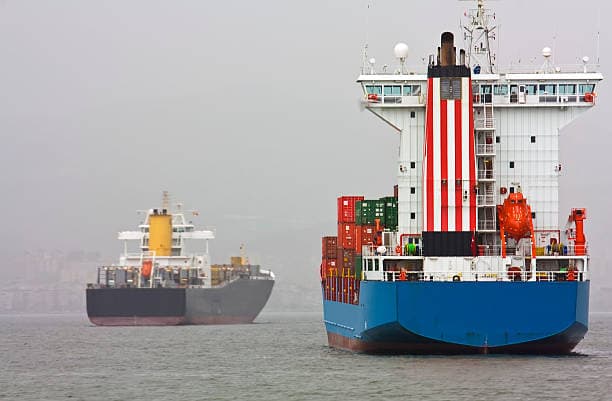
On Sunday, the Strait of Hormuz remained a bustling artery, with 8.5 million barrels of oil passing through. This steady flow offers insights into maritime capacity, energy logistics, and the resilience of chemical supply chains. The data reveals how global trade adapts to geopolitical tensions and shifting market demands.

The Convoy Chemical Tanker: Does US Navy Escort Reduce War Risk Insurance Premiums?
US Navy-escorted convoys could reshape war risk insurance for chemical tankers transiting the Strait of Hormuz. Learn how insurers are reassessing premiums and what specialty chemical shippers should do.

Navigating Drug Shortages: Using IMO Incident Data to Mitigate Strait of Hormuz Supply Risks
The IMO dataset of 49 confirmed maritime incidents gives hospital pharmacy teams a structured roadmap to assess pharmaceutical exposure in the Gulf. By mapping API and chemical routes against high‑risk zones, procurement leaders can strategically plan Q3 logistics and safeguard patient care.
Parimal Tanker Attack Signals New Risks for Specialty Chemical Shipping
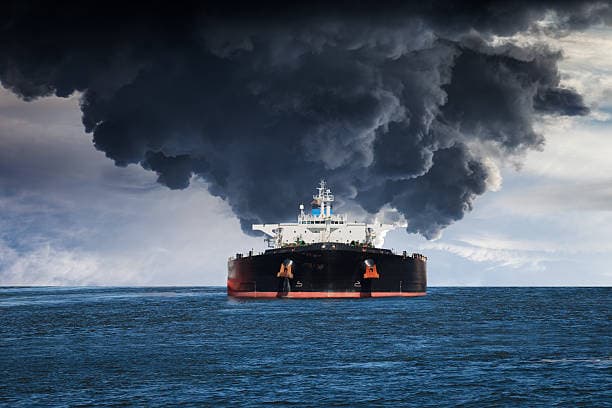
The March 18 fire on the Parimal tanker and the May 7 strike on JV Innovation mark a turning point for specialty chemical shipping. These attacks show that vessel nationality no longer shields operators from conflict‑related threats. Chemical logistics planners must now factor Gulf of Oman routes into their risk assessments.

The Nine Major Carriers' Hormuz Posture: Where Each Stands on July 1
The world's nine largest container shipping lines continue maintaining Cape of Good Hope routing as their operational standard entering H2 2026. For chemical buyers shipping under CIF and CFR contracts, understanding each carrier's operating posture is now a critical component of logistics and insurance planning.
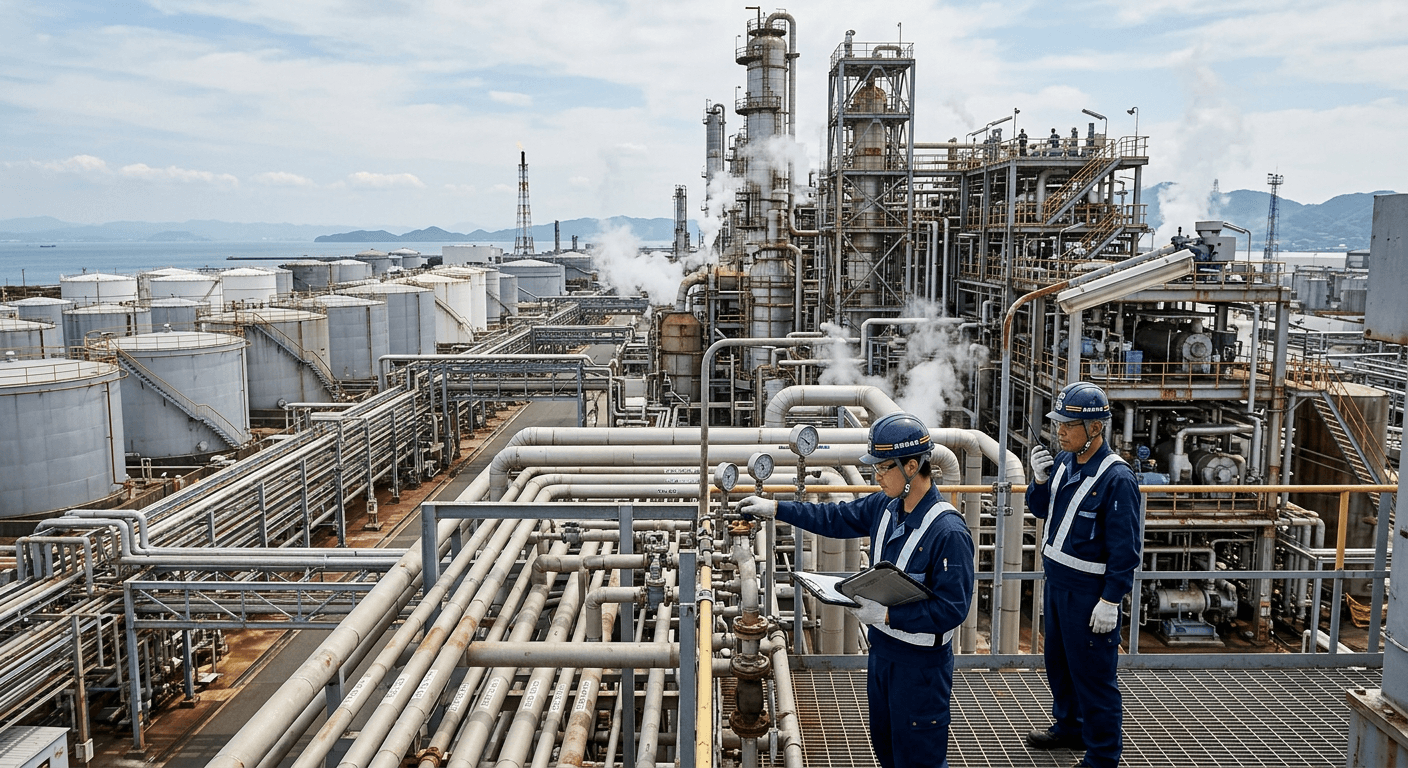
Methanol Supply Risk in Q3 2026: What Hormuz Shipping Data Means for Buyers
Methanol buyers are facing a critical Q3 planning challenge as Strait of Hormuz transit remains far below normal levels. Physical shipping data now matters more than diplomatic signals when assessing supply availability and pricing risk.
Don't miss out on our updates! Subscribe to our newsletter now
We're committed to your privacy. Tradeasia uses the information you provide to us to contact you about our relevant content, products, and services. For more information, check out our privacy policy.