
Related Insights
IMO Urges Ships to Sidestep Hormuz Amid Crew Safety Concerns
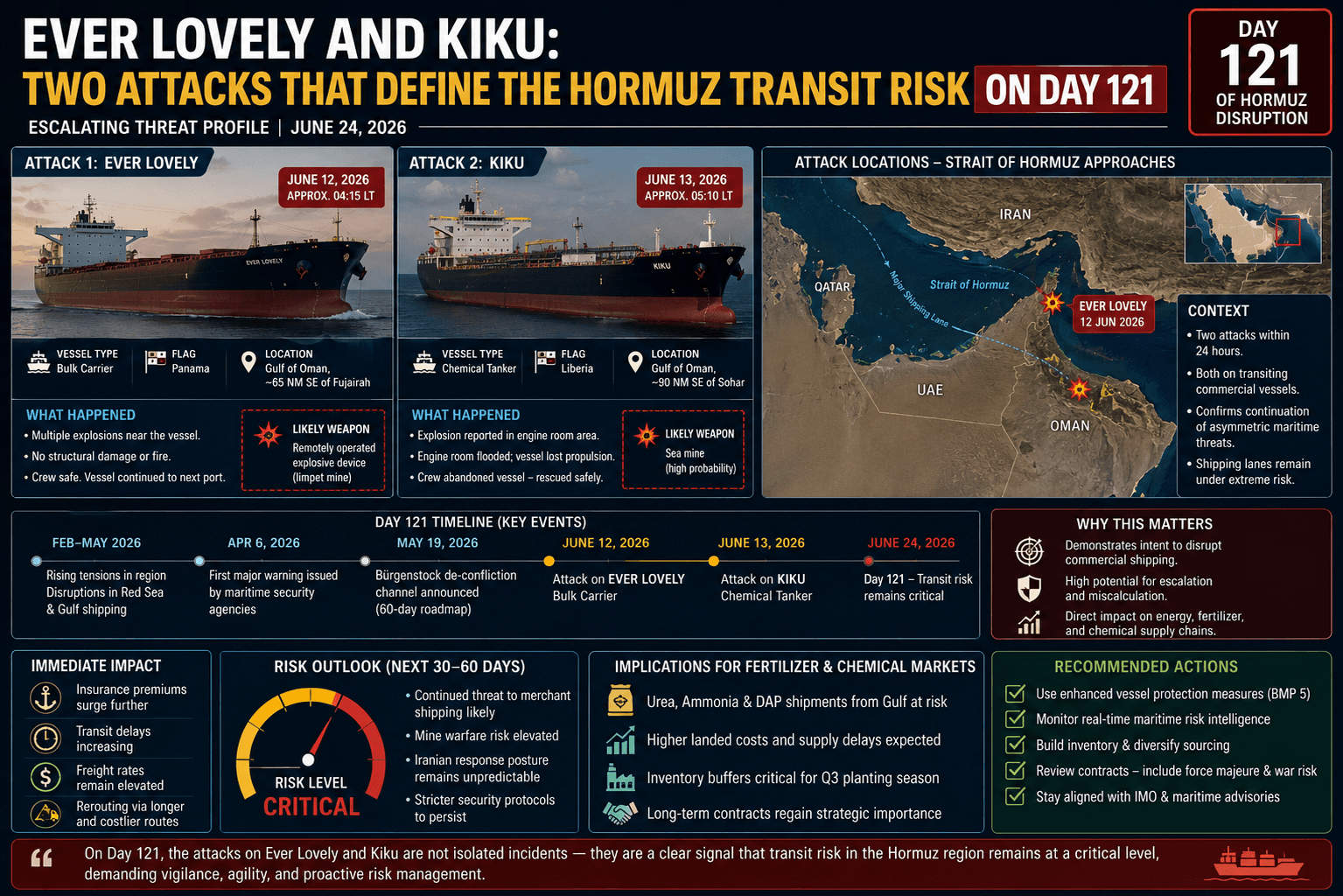
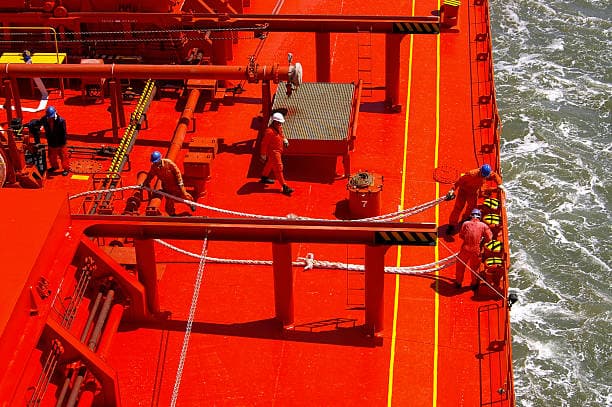
The International Maritime Organization has issued a stern warning for vessels to avoid the Strait of Hormuz until crew safety can be assured. This directive raises immediate questions for chemical tankers, Gulf shipping routes, and global supply chains. In this article we break down the implications and explore how operators can adapt.

India's Trade Actions and Food-Contact Chemical Costs: What Packaging Buyers Should Watch
India's proposed anti-dumping duties on selected US chemical shipments and duty-free treatment for domestic polyurethane raw materials could reshape regional food-contact packaging costs. Procurement teams should assess supplier strategies and raw material exposure before pricing changes reach downstream markets.

Trade Logistics Intelligence: Friday July 10 Brief
Get the latest chemical logistics updates for this week, covering UK trade remedies, PFAS compliance, the Solstice acquisition, Velogy and Aequita moves, Cape of Good Hope freight shifts, and force majeure documentation. Stay ahead with our concise analysis.
The 1,550-Vessel Backlog and the Convoy Exit Queue: How Long Will It Take to Clear?
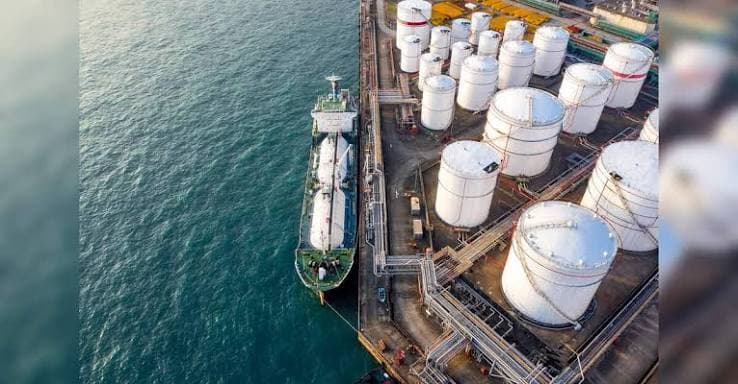
Although vessel movements through the Strait of Hormuz are increasing, the shipping backlog accumulated during the crisis remains substantial. Understanding convoy throughput and queue management provides buyers with a more realistic timeline for delayed chemical cargo arrivals during H2 2026.
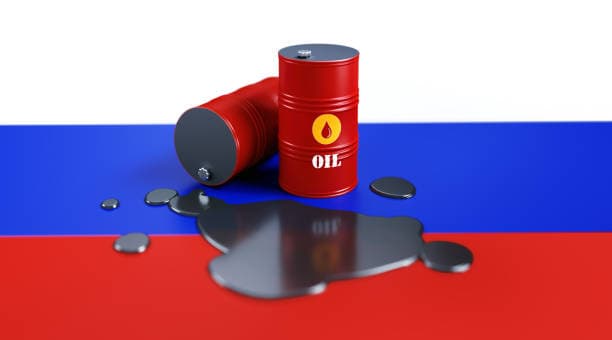
Russia Country Watch: Yamal LNG’s Ripple Effect on Europe’s Chemical Feedstocks
Russia’s Yamal LNG surge has reshaped European chemical supply chains, offering short‑term gas security but exposing deeper vulnerability to external gas flows. Ammonia and methanol plants gained access to cheaper gas, yet spot premiums and sanctions risks loom. Procurement teams must factor these dynamics into cost and supplier risk models.

Oman's Maritime Services Negotiation: What a Strait of Hormuz Fee System Could Mean for Chemical Logistics
Oman's proposal for maritime-services charges introduces a very different scenario from a geopolitical transit toll. Chemical buyers and logistics teams should understand how each approach could affect freight costs, compliance obligations and long-term sourcing decisions.
Don't miss out on our updates! Subscribe to our newsletter now
We're committed to your privacy. Tradeasia uses the information you provide to us to contact you about our relevant content, products, and services. For more information, check out our privacy policy.