
Caprylic Triglyceride CAS: 73398-61-5
Caprylic Triglyceride CAS: 73398-61-5

ADNOC’s two‑hub strategy reshapes the UAE chemical market. While Ruwais ramps up convoy operations, Sohar continues to dominate due to its established logistics network and lower congestion. Chemical buyers must weigh cost, risk, and supply‑chain nuances for Q3 2026.

Brazil's approval of the UFN III urea project marks a major step toward fertilizer self-sufficiency. Once operational, the plant is expected to reduce import dependence and strengthen Latin America's long-term agricultural supply chain.

Chemical buyers are facing one of the most complex procurement environments of 2026 as energy prices fall, Gulf supply recovers and geopolitical risks remain elevated. This weekly briefing highlights the critical signals shaping commodity chemical sourcing decisions.
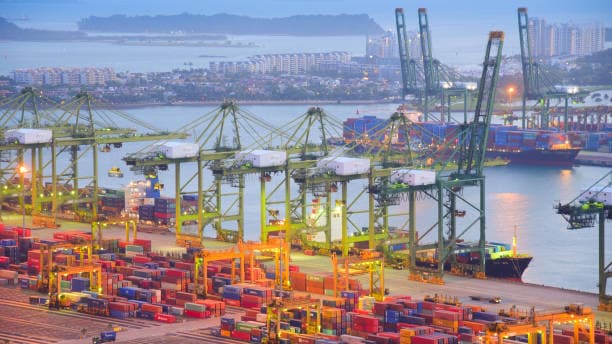
In 2026, the tapioca starch market remains robust as Indonesia and Thailand adapt to persistent port congestion in Southeast Asia. Supply chains show resilience through diversified sourcing, advanced logistics, and strategic procurement. Buyers can leverage these insights to secure stable supplies and cost efficiencies.

India's emergency customs duty waiver on key chemical and petrochemical imports ends on June 30, 2026. The policy reversal could raise input costs for agrochemical manufacturers and fertilizer blenders, making Q3 procurement planning more critical than ever.

The 2026 Hormuz crisis demonstrated that shipping chokepoints are no longer theoretical risks. For chemical buyers, understanding which products depend on vulnerable trade corridors has become essential for procurement planning and supply chain resilience.
We're committed to your privacy. Tradeasia uses the information you provide to us to contact you about our relevant content, products, and services. For more information, check out our privacy policy.