
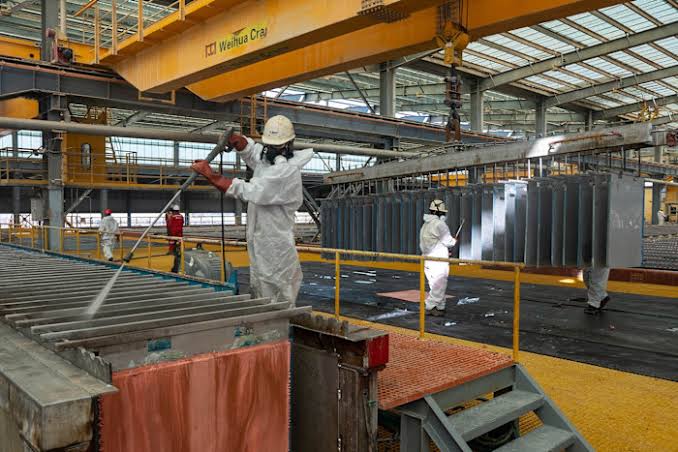
Basic Chromium Sulphate CAS: 10101-53-8
Basic Chromium Sulphate CAS: 10101-53-8
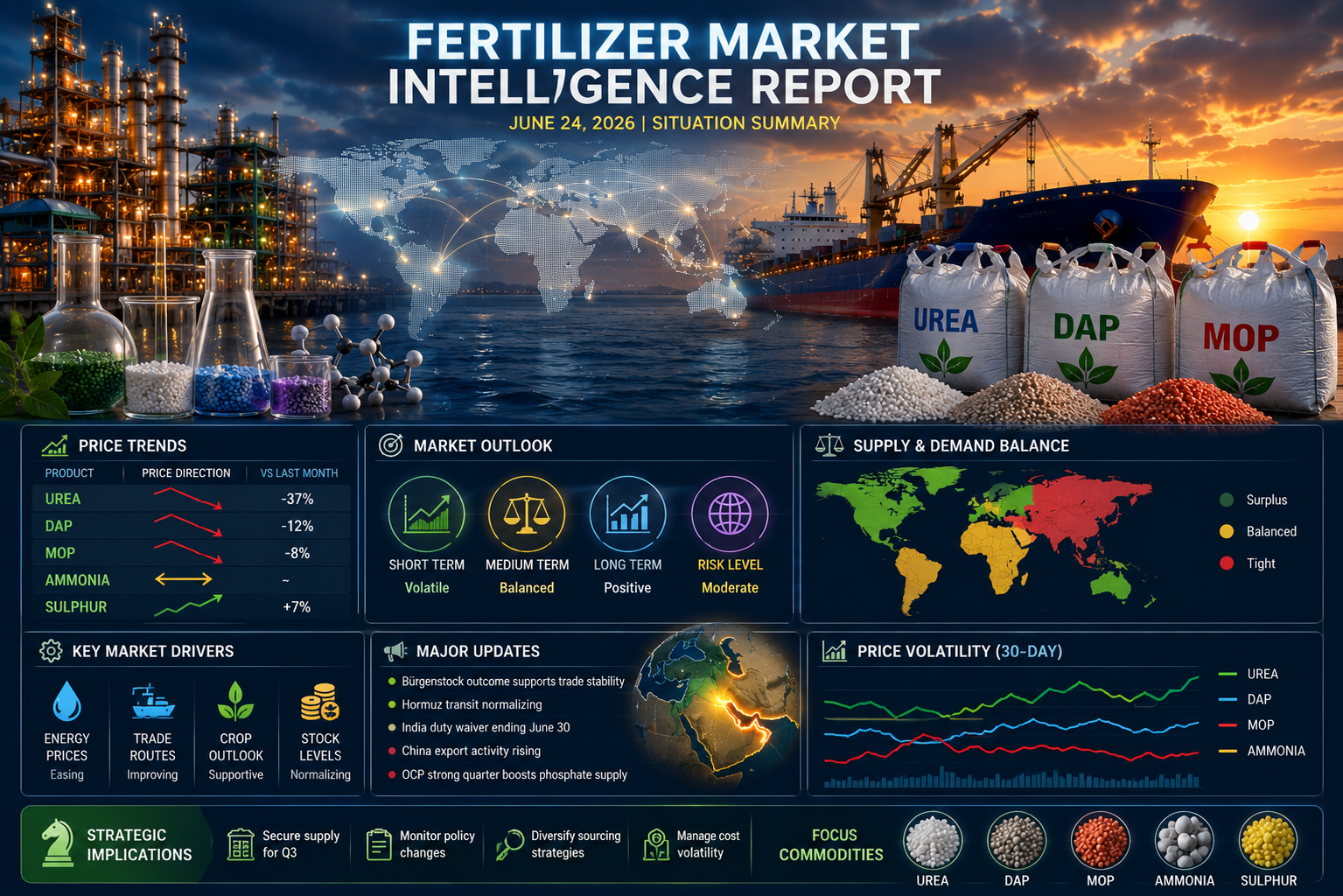
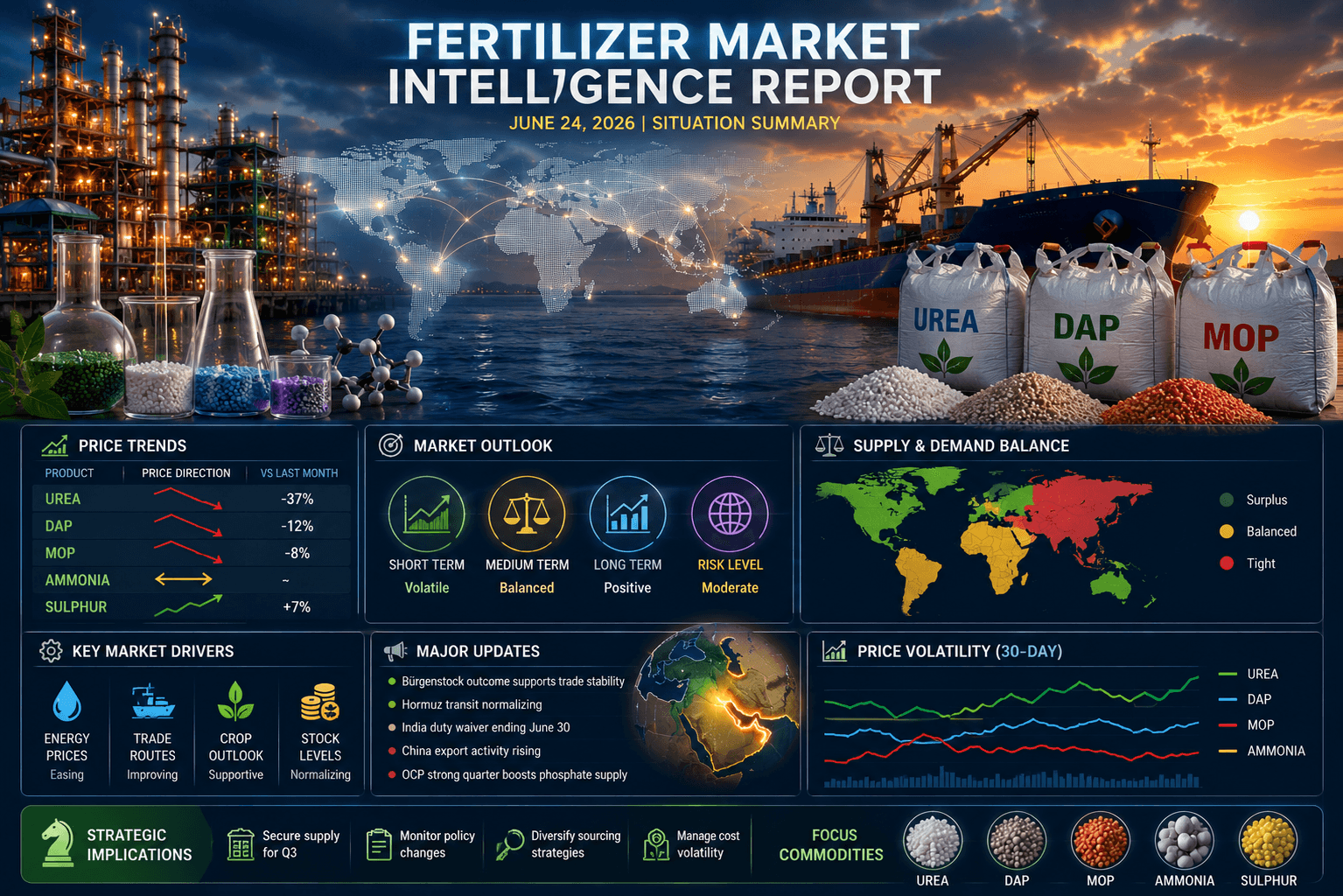
The Hormuz crisis disrupted nearly 45% of global sulfur supply as Gulf refinery by-product exports collapsed for months. With vessel movement now improving, sulfur and sulfuric acid buyers may finally see the first meaningful cost relief in August after one of 2026’s most overlooked supply chain disruptions.

The disruption of Gulf MEG exports has transformed procurement strategies across Asia's polyester industry. As shipments begin moving again, buyers must understand transit timelines, supply recovery patterns and pricing risks before inventories normalize.

Pakistan enters July 2026 with improving chemical import conditions supported by lower crude prices, recovering Gulf logistics and easing freight costs. However, foreign exchange constraints and trade finance remain the defining commercial risks for international suppliers.

Saudi Arabia's chemical industry closes H1 2026 with SABIC's Ras Tanura terminal restart marking the clearest signal that Gulf petrochemical exports are recovering. As Q3 deliveries resume, international buyers should focus on contract sequencing and supplier engagement rather than assuming immediate spot market availability.
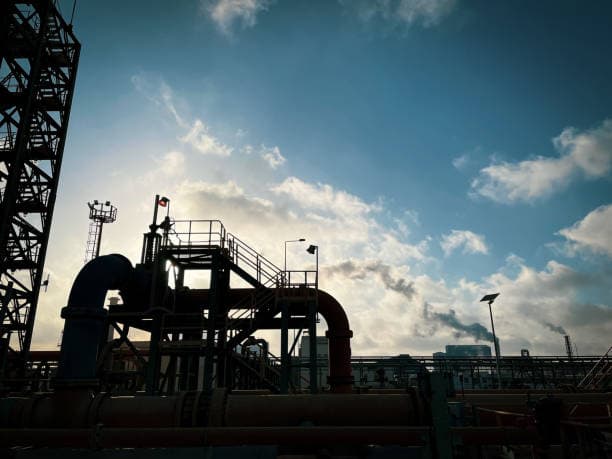
India’s tight fertilizer market finds relief as OCP Morocco dispatches triple superphosphate (TSP) shipments, replenishing stocks and supporting crop plans. Yet, global supply constraints keep the market volatile. The article explores the impact of these cargoes and future outlook.
The polystyrene market is entering another phase of capacity adjustment after INEOS Styrolution announced the closure of its Channahon plant in Illinois. Buyers should monitor supply availability, regional production shifts and global oversupply trends affecting pricing.
We're committed to your privacy. Tradeasia uses the information you provide to us to contact you about our relevant content, products, and services. For more information, check out our privacy policy.