
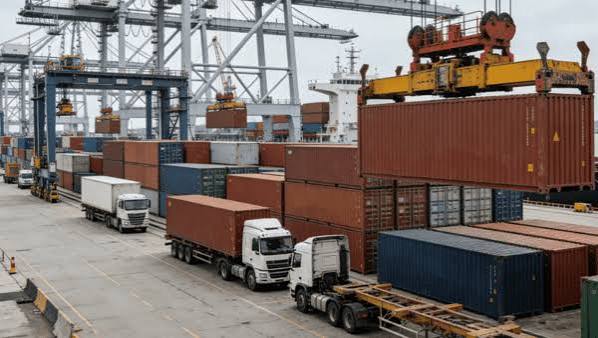
Potassium Sorbate Food Grade (E202) CAS: 24634-61-5
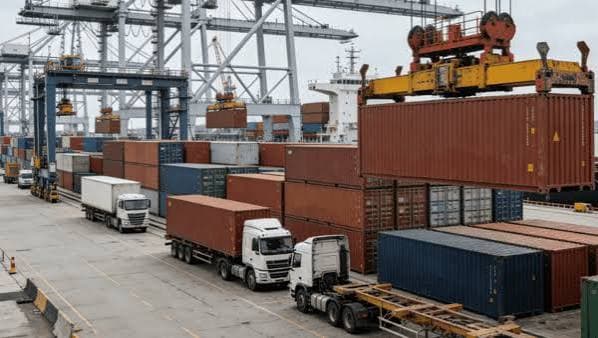
Potassium Sorbate Food Grade (E202) CAS: 24634-61-5
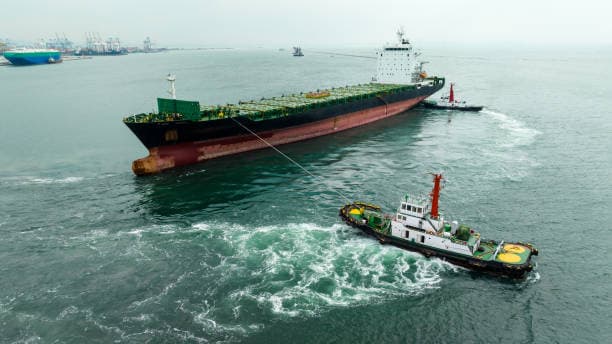
The Saudi‑led coalition has launched a comprehensive maritime security initiative in the Red Sea to counter escalating Houthi attacks. This move is reshaping vessel routing, freight pricing, and the global chemical supply chain, demanding greater resilience from tanker operators and logistics providers.

The conflict's expansion to bridges, utilities and ports broadens infrastructure risk for ingredient logistics.
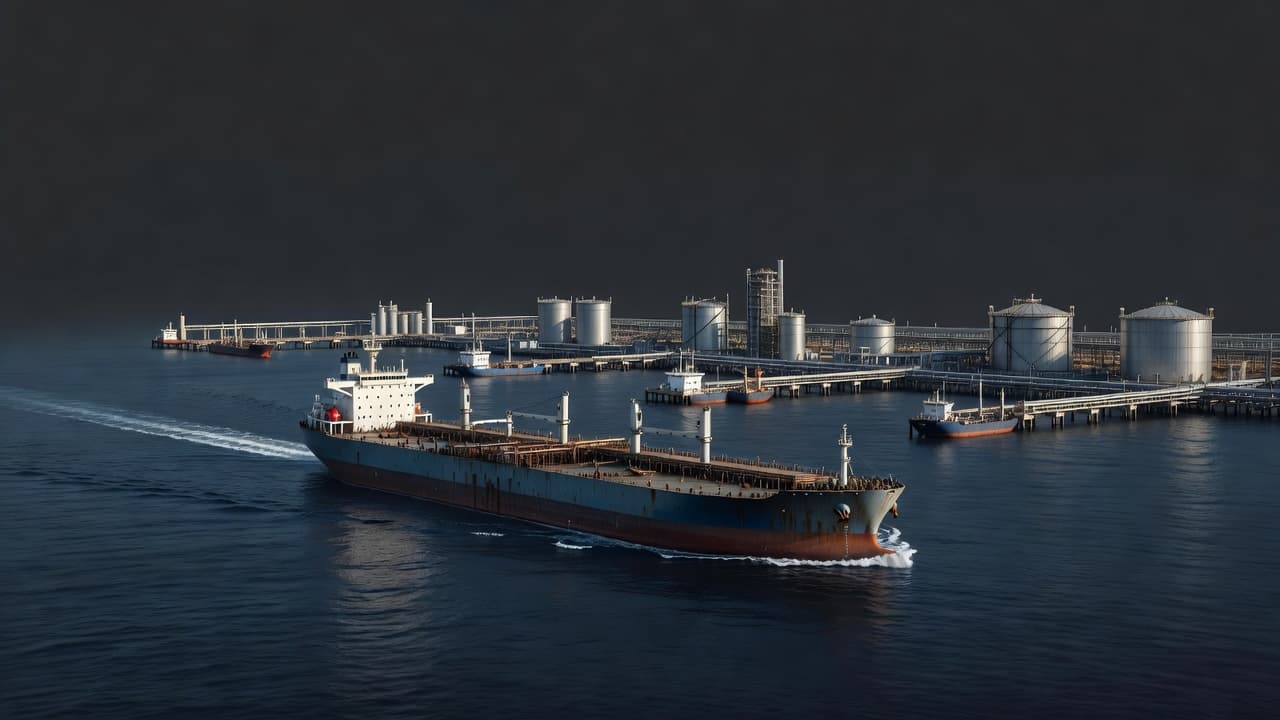
Recent comments from Energy Secretary Wright indicating that Hormuz tolls are no longer under consideration have introduced a new policy signal for global energy and chemical markets. Procurement and compliance teams should understand how changing policy direction can influence logistics planning, freight costs and sourcing strategies.
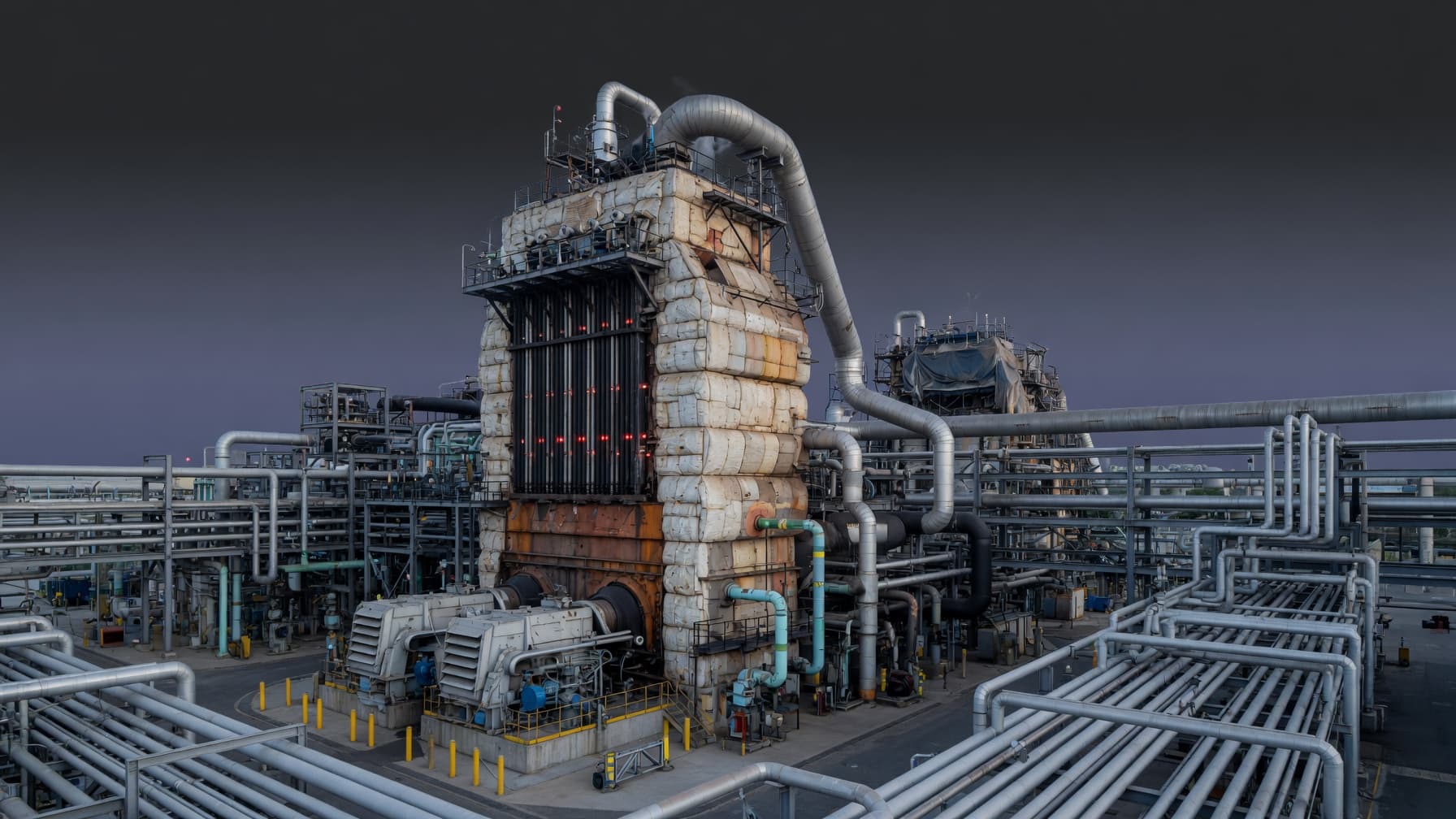
South Korea's planned petrochemical restructuring is expected to close smaller stand-alone naphtha crackers, signalling a broader wave of capacity consolidation across Asia. Procurement teams should assess how fewer production assets may influence polymer supply, feedstock pricing and regional sourcing strategies.

The 2026 Hormuz crisis became an unexpected test of Responsible Care principles across the chemical industry. This article explains why supplier behaviour during disruptions can provide procurement teams with valuable insight beyond traditional sustainability audits.
H1 2026 closes with a 15 to 20 percent contraction in peak chemical seaborne trade, elevated insurance costs and permanent routing shifts. This report outlines how logistics structures are resetting across global chemical supply chains and what H2 2026 will look like.
We're committed to your privacy. Tradeasia uses the information you provide to us to contact you about our relevant content, products, and services. For more information, check out our privacy policy.