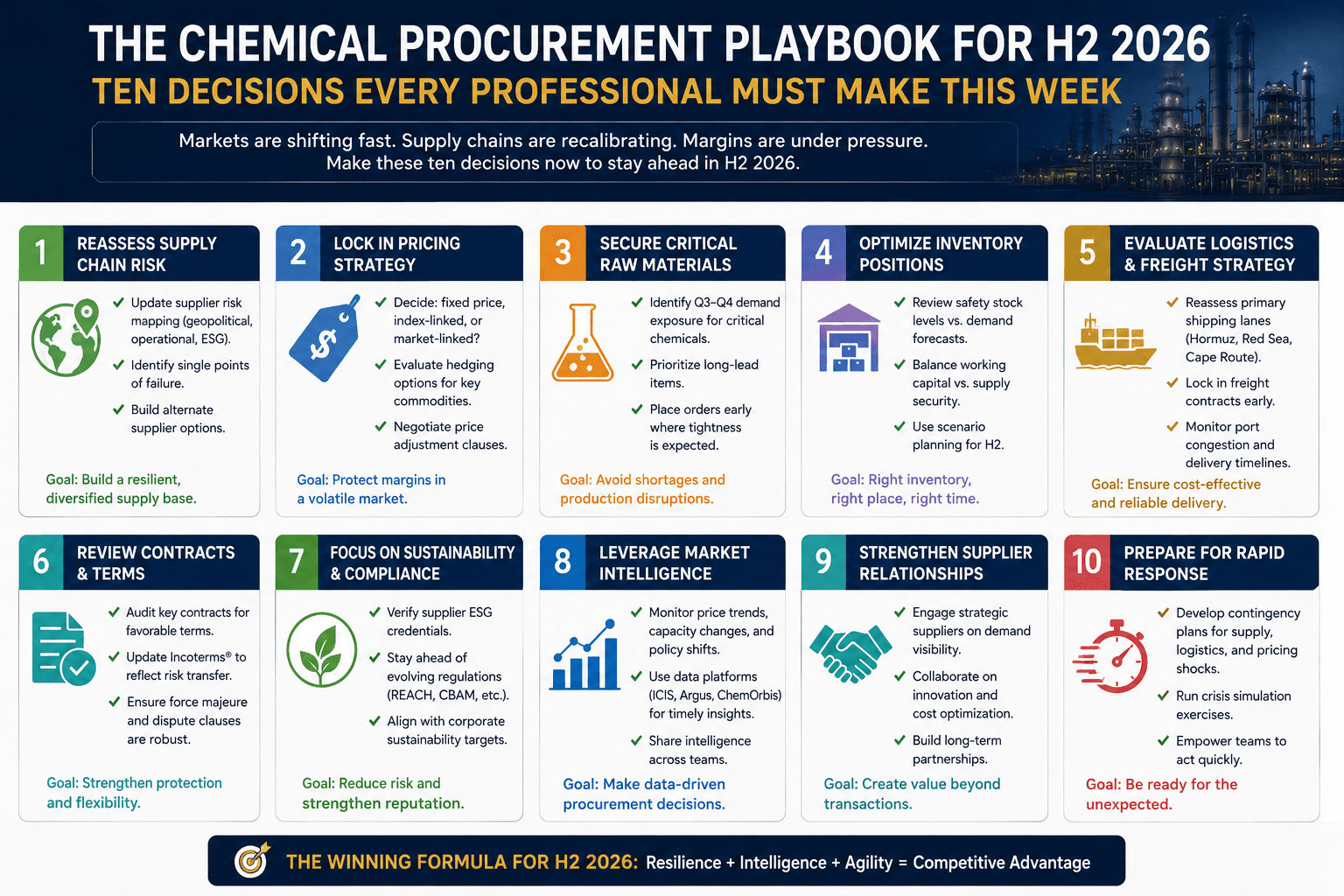
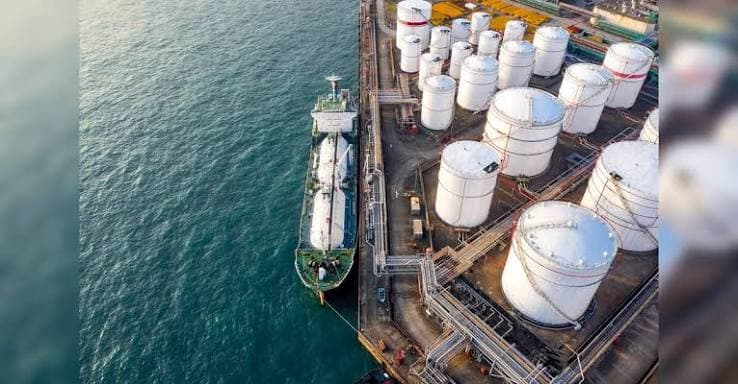
Introduction
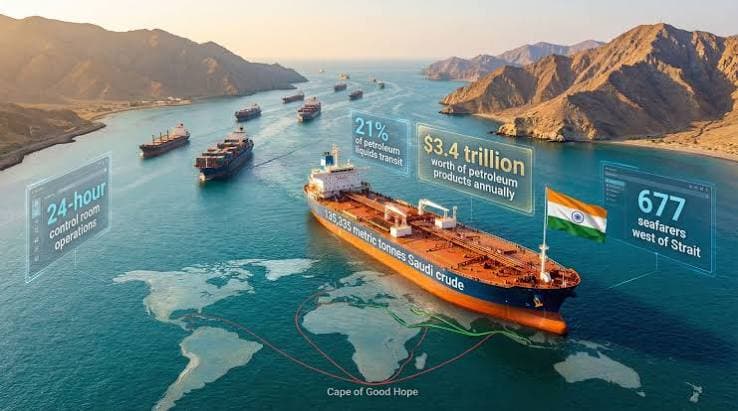
When the war erupted, Hapag‑Lloyd’s senior communications director Nils Haupt issued a stark warning: 'When the war is officially over, that does not mean the war is over for logistics — we will see hundreds of ships wanting to call at key ports in the Persian Gulf. The disruption will continue.' Fast forward to Day 123, and the Persian Gulf remains a bottleneck: Hormuz handles only 5 ships per day, a mere 5% of its pre‑war level. This article explains why the Cape of Good Hope route will stay dominant for the foreseeable future and what chemical logistics managers should do.
The Lingering Impact of Conflict on Shipping
War is not just a military phenomenon; it is a logistical one. Ports close, maritime lanes close, insurance premiums soar, and carriers shift to avoid risk. Even after a ceasefire, the physical and regulatory infrastructure takes months to recover. The result is a persistent supply shock that ripples across the global shipping network.
Why the Cape of Good Hope Route Remains Predominant
Major carriers—Maersk, MSC, CMA CGM, Evergreen, and Hapag‑Lloyd—have all committed to routing the bulk of their fleet through the Cape of Good Hope until the end of the year. This decision is not merely precautionary; it reflects a hard assessment of risk versus cost. The Cape route, though longer in distance, offers:
- Predictability: Ports along the route remain fully operational.
- Insurance coverage: Premiums are stable compared to the Gulf.
- Regulatory certainty: No political uncertainty or sudden port closures.
These factors outweigh the 1,200‑mile advantage of the Gulf for most shippers today.
Quantifying the Current Disruption: Hormuz at 5 Ships/Day
Data from the International Maritime Organization shows that Hormuz’s throughput has fallen to 5 vessels per day, a 95% drop from pre‑war levels. Even with partial port reopenings, the throughput has not rebounded because:
- Port infrastructure remains damaged.
- Local labor shortages persist.
- Security protocols demand longer turnaround times.
Consequently, carriers prefer the Cape of Good Hope, which can handle 200–300 vessels daily without congestion.
Lessons for Chemical Shippers and Logistics Managers
Chemical logistics is highly sensitive to lead time variations and container availability. Relying on a diplomatic timeline—such as “once the war ends” or “when ports restart”—introduces undue risk. Instead, managers should adopt a risk‑based planning model:
- Route Diversification: Keep routes through the Cape of Good Hope as the primary option.
- Container Allocation: Reserve a higher percentage of containers for the Gulf route only if confirmed operational clearance.
- Insurance Hedging: Secure political risk insurance for any Gulf transit.
- Inventory Buffer: Build a safety stock of critical chemicals to absorb transit delays.
These measures are already standard practice for leaders in the sector and should be institutionalized across all supply chains.
Strategic Planning: Building on Operational Reality
Hapag‑Lloyd’s warning serves as a case study in aligning logistics strategy with on‑the‑ground realities. By treating the post‑war period as a transitional phase rather than a return to normal, companies can:
- Allocate capital toward alternative routing infrastructure.
- Negotiate favorable terms with carriers committed to the Cape route.
- Engage with port authorities to gain early access to any resumed Gulf traffic.
In short, the operational reality is that the Cape of Good Hope will dominate until the Gulf infrastructure is fully restored—an event that could take a full year or more.
Conclusion
Hapag‑Lloyd’s early warning was not a dramatic prophecy; it was a realistic assessment of the maritime logistics environment. With Hormuz operating at a fraction of its capacity and carriers locked into Cape routing for the rest of 2026, chemical shippers must shift from a diplomatic to an operational mindset. By planning around the Cape of Good Hope and incorporating robust risk management practices, companies can safeguard their supply chains against the lingering turbulence that extends well beyond the battlefield.