
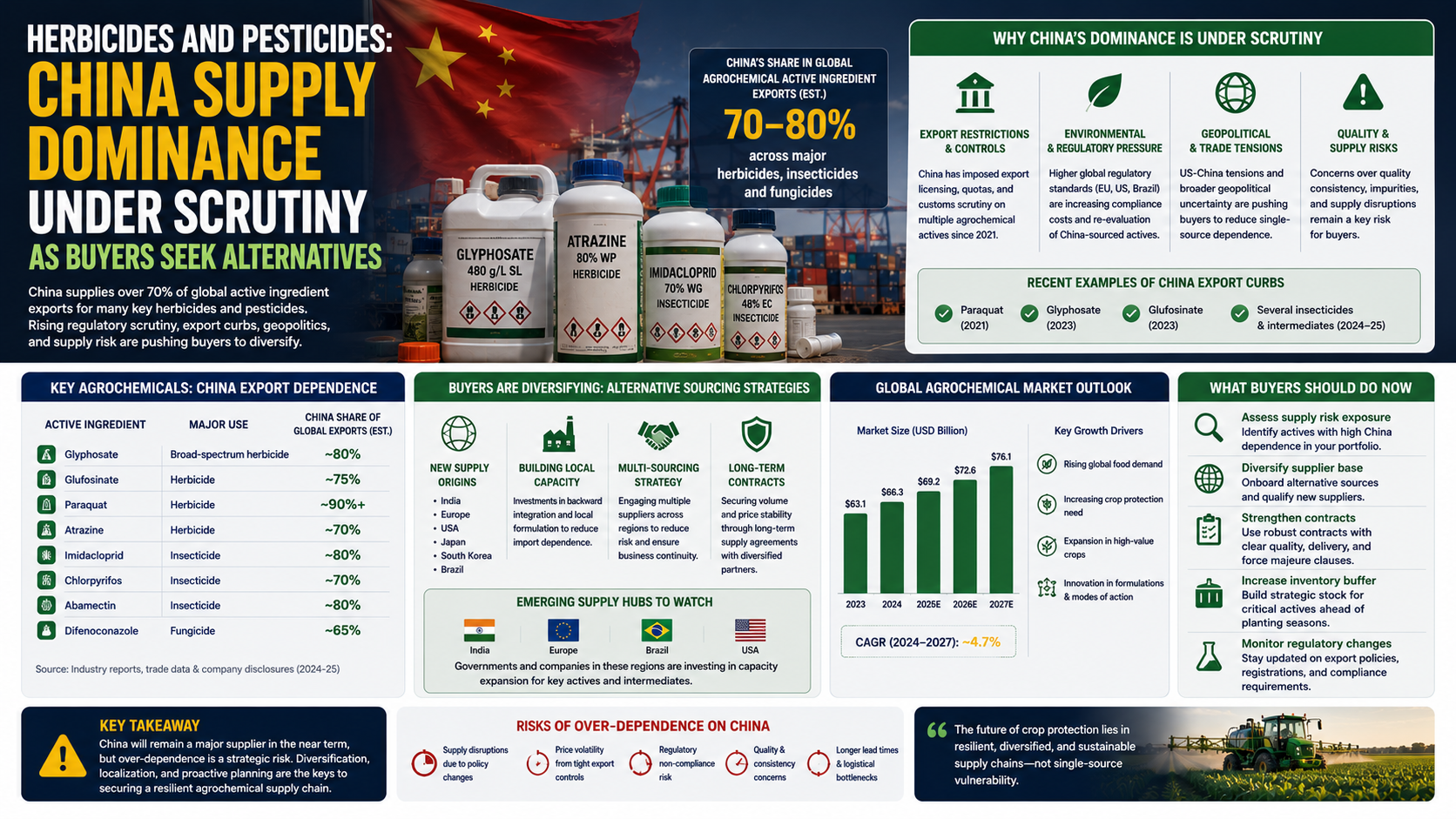
Calcium Hydroxide - China CAS: 1305-62-0
Calcium Hydroxide - China CAS: 1305-62-0
Iran's Goreh-Jask Pipeline provides an alternative export route for crude oil, but it does not solve the logistics challenge facing petrochemical exports. Chemical buyers evaluating Iranian sourcing opportunities must understand the difference.
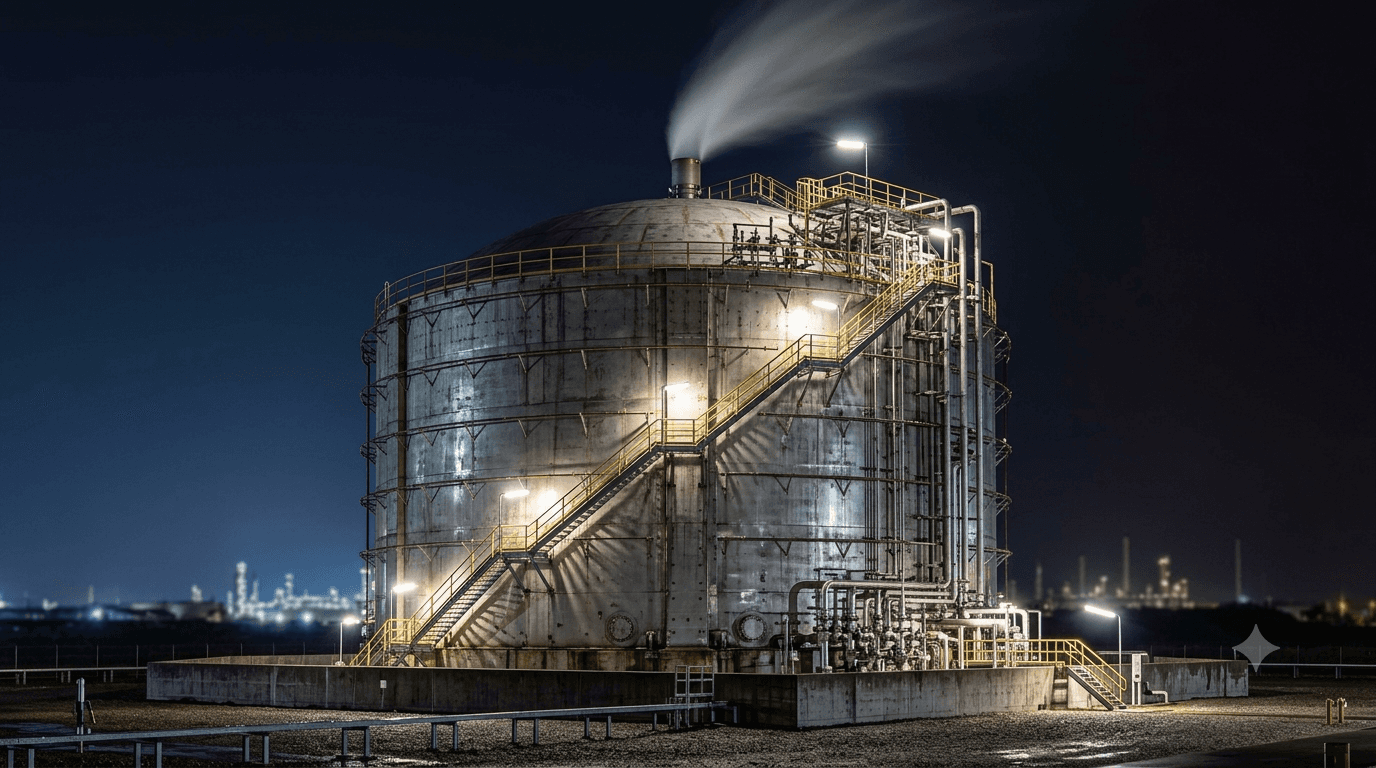
The INPEX‑Ichthys LNG industrial dispute has exposed hidden fragilities within the LNG supply chain, putting buyers and chemical producers on notice. This article explores the dispute’s implications for energy security, feedstock availability and procurement strategy, offering practical lessons for the Asia Pacific market.
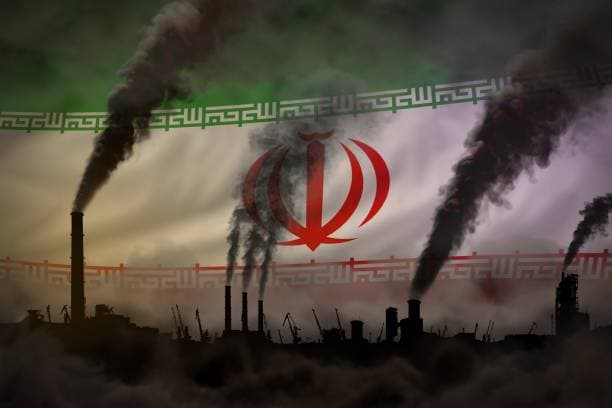
In 2026, Iran’s petrochemical industry suffered a catastrophic 85% loss of production capacity due to sanctions and internal conflicts. The collapse threatens global methanol supply, disrupts Middle East petrochemicals, and forces exporters to seek new markets. Read on for a deep dive into reconstruction challenges and supply chain implications.
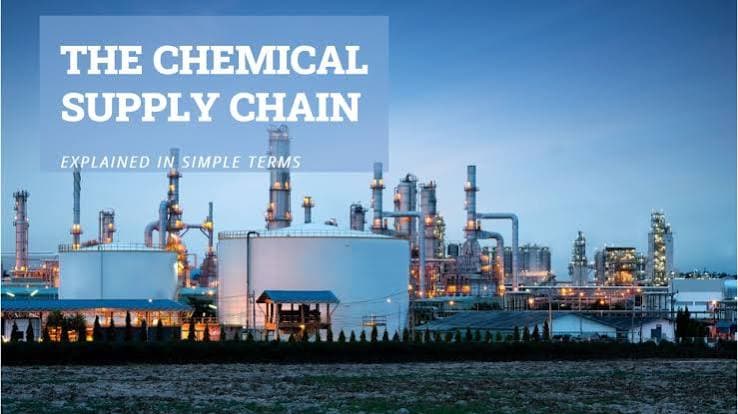
The Hormuz ceasefire agreement has improved sentiment, but supply chain conditions remain far from normal. Vessel congestion, mine clearance operations and production restart delays mean chemical buyers should maintain elevated inventory levels for now.
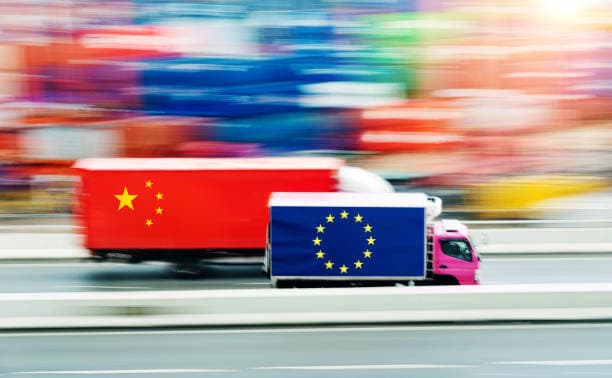
By 2026, the MSG market remains dominated by Chinese suppliers, with Fufeng Group and Meihua Biotechnology leading the way. EU regulators scrutinize imports, yet Southeast Asia’s growing demand keeps China’s export edge strong. Learn why the umami ingredients market is evolving.
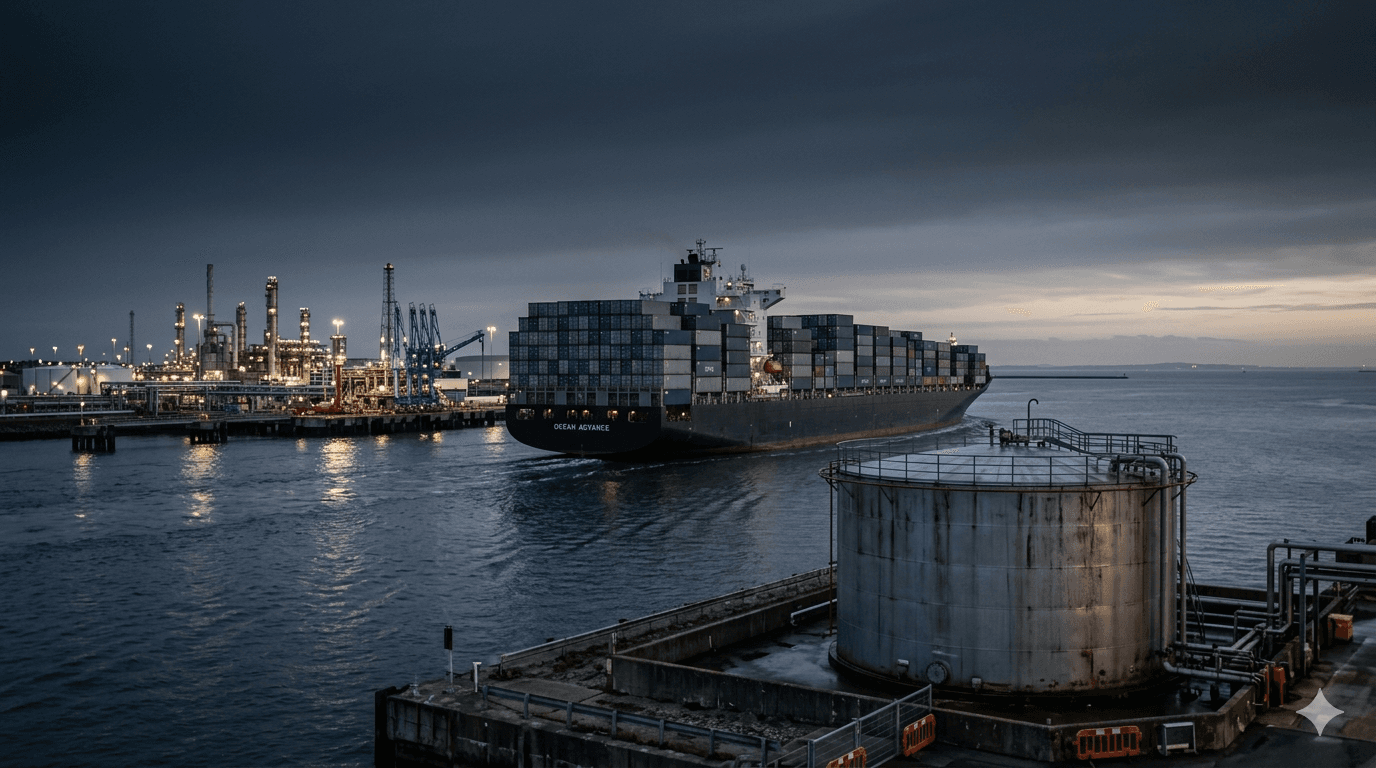
The top chemical exporters in 2026 look very different after the Hormuz disruption. New trade leaders have emerged while buyers rethink sourcing strategies and supplier diversification. Procurement teams now face a rapidly changing export landscape.
We're committed to your privacy. Tradeasia uses the information you provide to us to contact you about our relevant content, products, and services. For more information, check out our privacy policy.