
Related Insights

Japan's Agrochemical Pivot Toward India: Following the Solar Materials Playbook
As Japanese chemical makers redirect investment from China to India across sectors like solar materials, agrochemical suppliers are watching whether a similar shift plays out in crop protection. For procurement teams managing fungicide, herbicide and insecticide portfolios, understanding whether this geographic pivot extends to agricultural chemicals matters for supply chain planning and sourcing strategy.

US Petrochemical Plant Shutdowns: What Halts in PS, PVC and Styrene Production Mean for Chemical Buyers
Four major US chemical companies suspended production lines for polystyrene, PVC, styrene and related products during early July 2026. Procurement teams should evaluate how reduced operating capacity may affect product availability, regional pricing and future sourcing strategies.

Post‑Consumer Chemical Recovery: The Hormuz Crisis Case for Domestic Circular Feedstocks
The 2024 Hormuz crisis exposed fragilities in global feedstock supply chains, spotlighting the resilience of post‑consumer recycled chemicals. This article explores how domestic circular feedstocks reduce procurement risk, advance sustainability, and strengthen the circular economy.
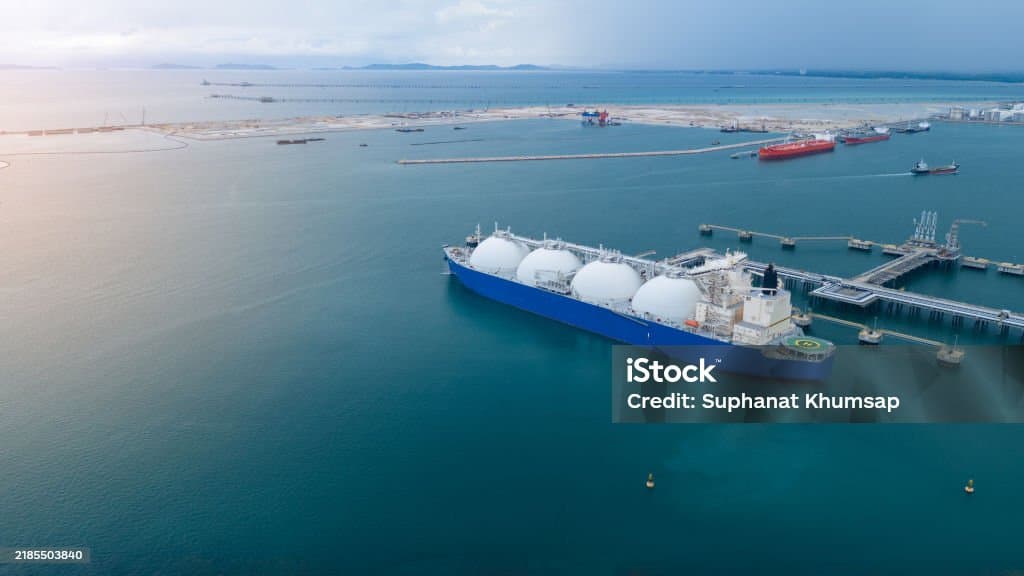
MSG Mid‑Year Supply Reset: How Fufeng and Meihua’s H2 2026 Pricing Could Shape Global Procurement
MSG pricing is set for a pivotal shift as Chinese producers Fufeng Group and Meihua Holdings release their H2 2026 contracts. With stable corn costs and easing freight rates, the new price points could redefine global food ingredient procurement. This article explores the strategic moves of these key players and the competitive implications for buyers worldwide.

Sulfuric Acid Supply Outlook: How Hormuz Mine Clearance Delays Affect Fertilizer Markets
Sulfuric acid buyers face continued supply planning challenges as Hormuz recovery progresses but shipping restrictions remain. This analysis explains the impact on fertilizer, mining and industrial users through Q3 2026.

Strait of Hormuz Oil Transit Record and Its Impact on Petrochemical Supply Recovery
The record 16 million barrel Strait of Hormuz transit on June 21, 2026 has created a new market signal for petrochemical buyers watching supply recovery timelines. This analysis explains when MEG, PTA, methanol and polymer feedstock availability could improve across major import markets.
Don't miss out on our updates! Subscribe to our newsletter now
We're committed to your privacy. Tradeasia uses the information you provide to us to contact you about our relevant content, products, and services. For more information, check out our privacy policy.