
Calcium Hydroxide - China CAS: 1305-62-0
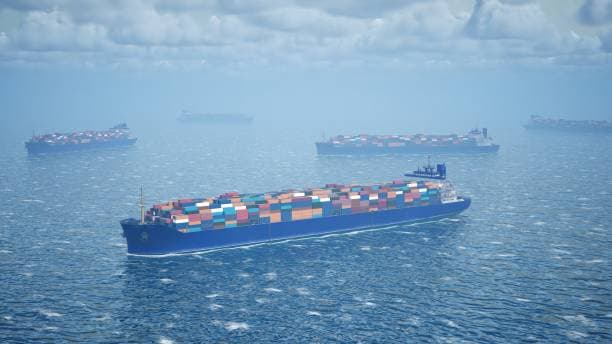
Approximately 6,000 seafarers are trapped in the Gulf as vessel movements through the Strait of Hormuz fall below normal levels. This bottleneck is not only an operational headache for shipping lines but also a humanitarian crisis and a threat to the chemical supply chain that fuels global commerce. The article explores the ripple effects across maritime logistics, crew welfare, and chemical transport.

Indian chemical exporters are recalibrating strategies as the rupee weakens. Lower currency value boosts price competitiveness abroad but tightens margins on imported inputs. Logistics and procurement economics now shift to new cost structures.
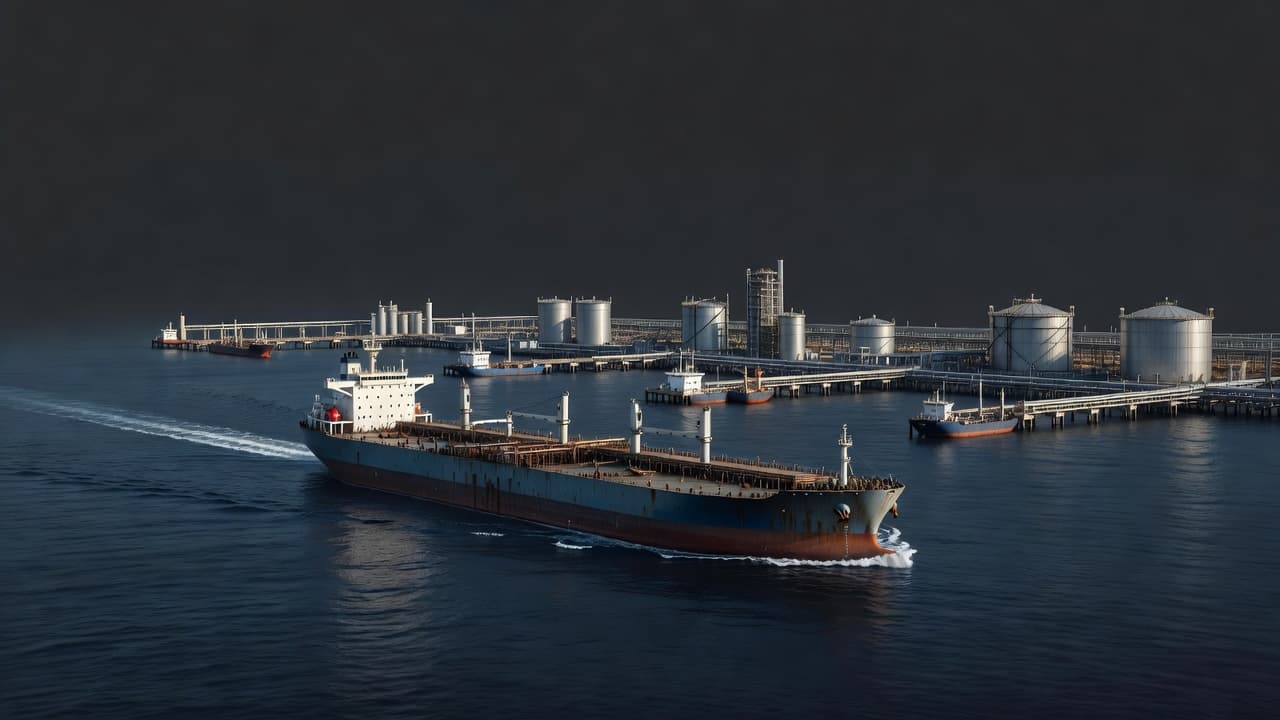
Recent comments from Energy Secretary Wright indicating that Hormuz tolls are no longer under consideration have introduced a new policy signal for global energy and chemical markets. Procurement and compliance teams should understand how changing policy direction can influence logistics planning, freight costs and sourcing strategies.
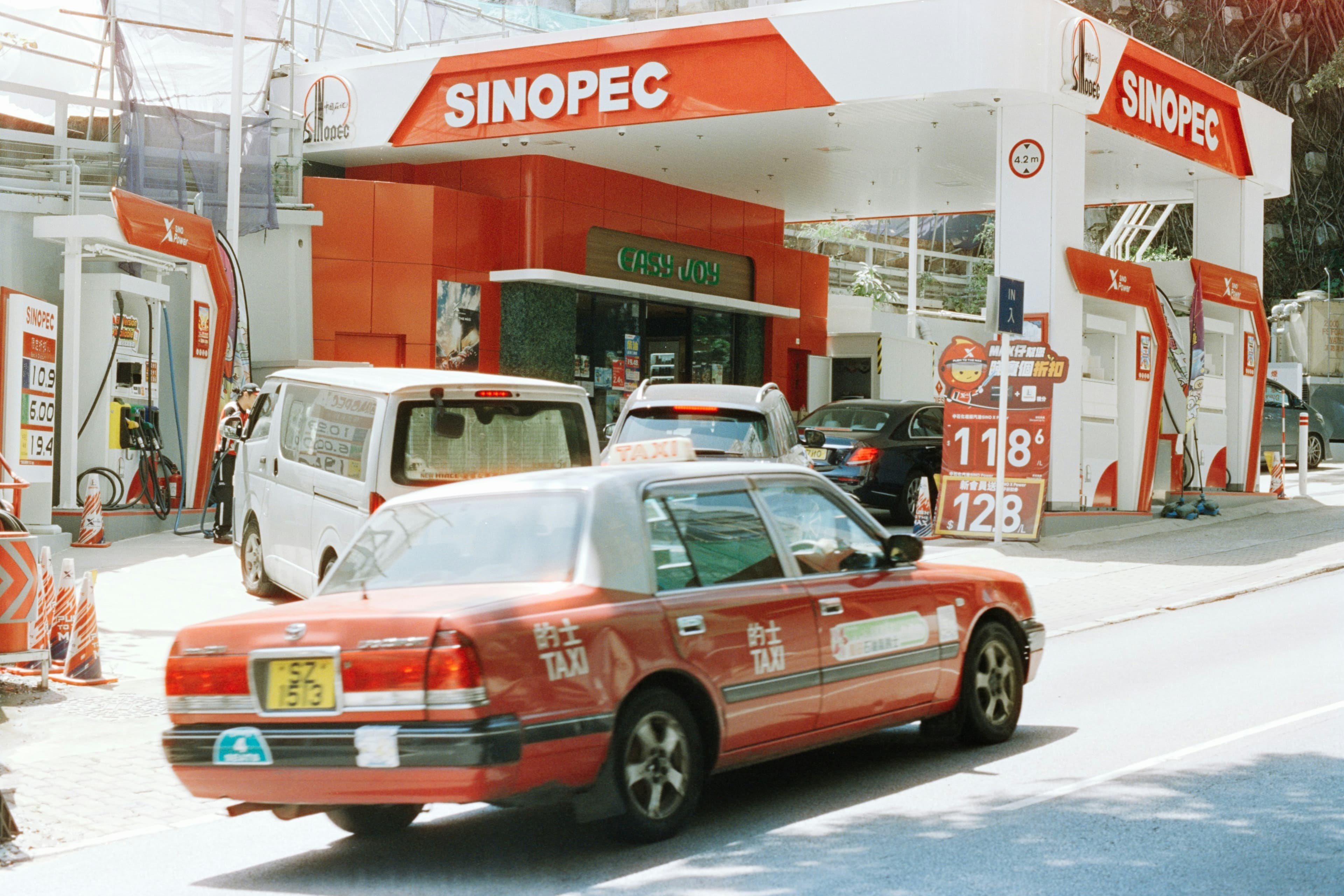
In a step away from petrochemicals, Sinopec formed a partnership with South Korea's LG Chem

The Red Sea shipping crisis remains one of the defining structural constraints on global chemical logistics. Even as Gulf shipping gradually recovers, Asia–Europe freight cannot return to pre-crisis economics while the Red Sea remains an active security concern.
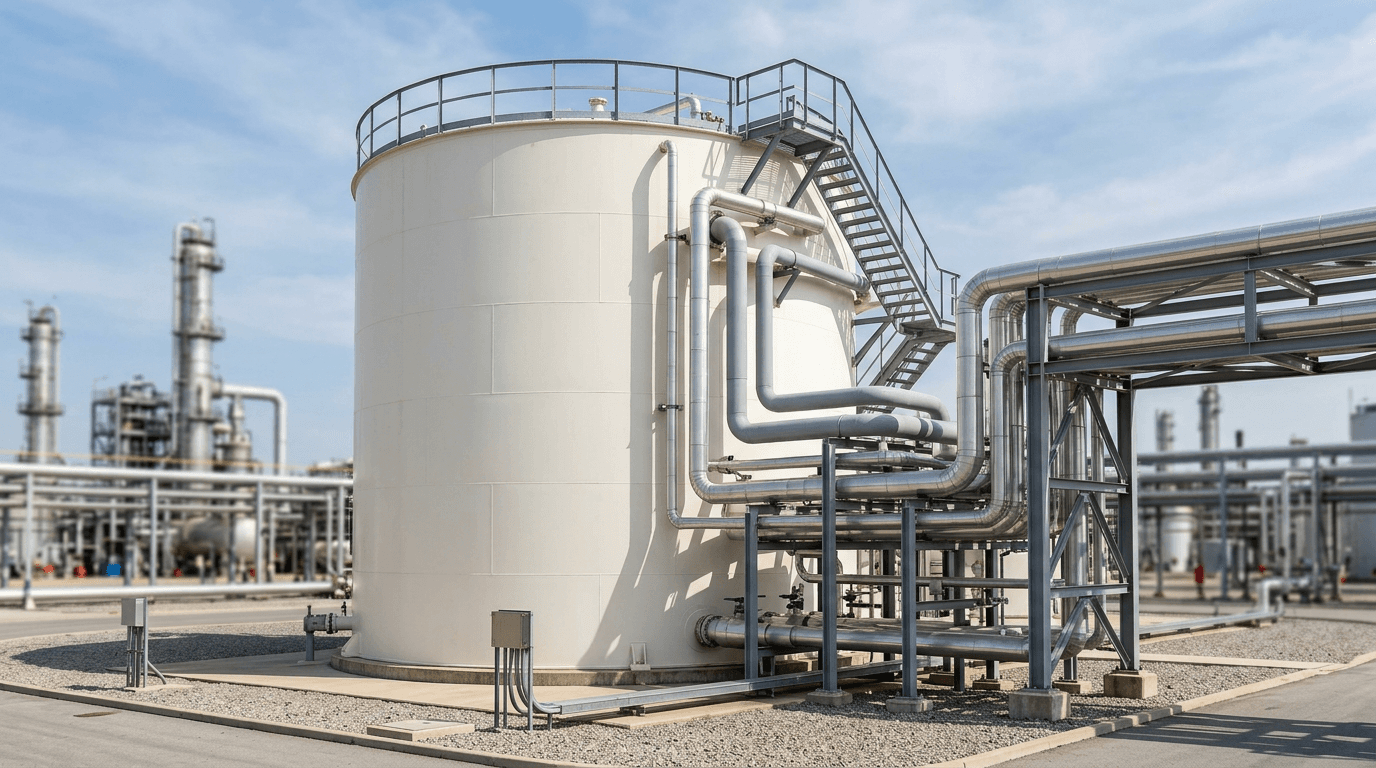
Conflicting statements about Iran negotiations create uncertainty for global chemical procurement teams. The latest Strait of Hormuz supply signals show why buyers should rely on verified logistics data instead of political headlines.
We're committed to your privacy. Tradeasia uses the information you provide to us to contact you about our relevant content, products, and services. For more information, check out our privacy policy.