
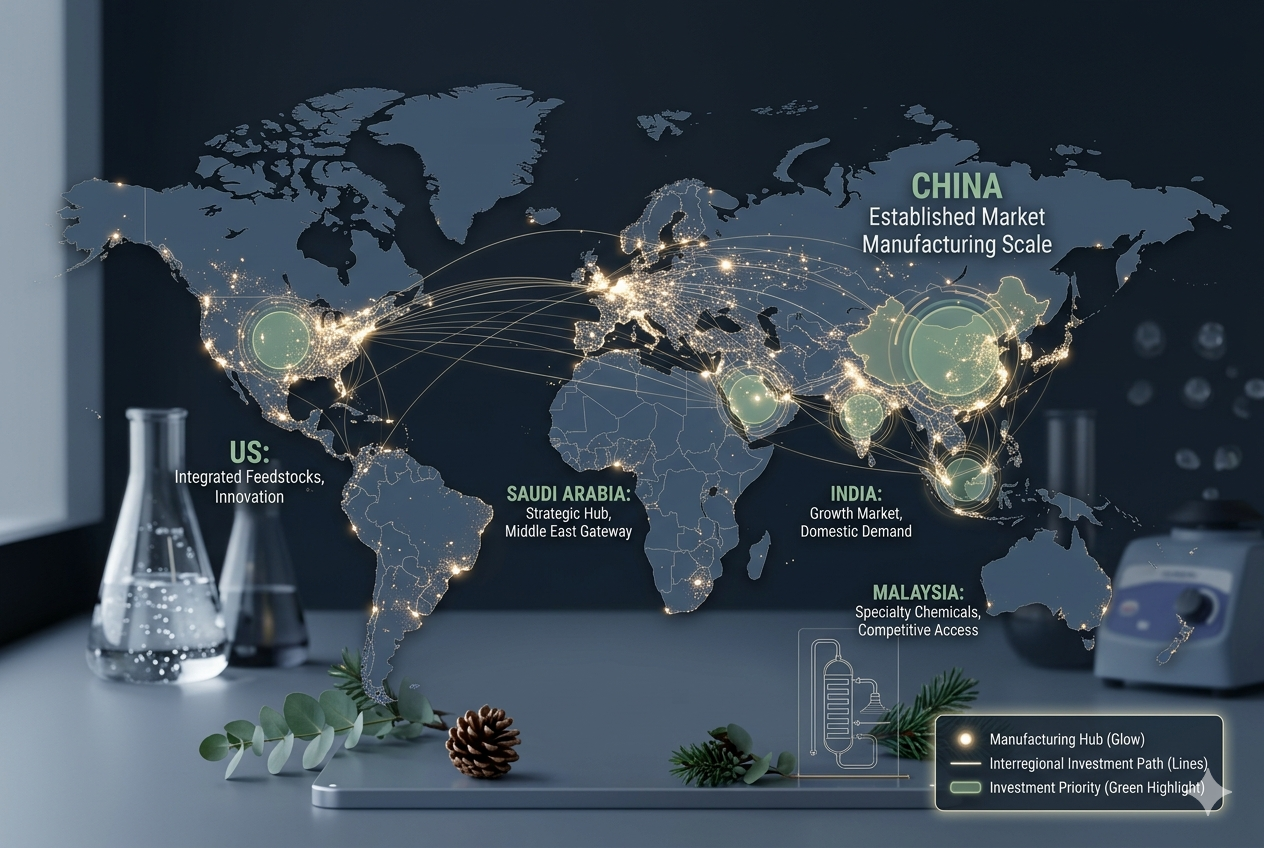
Methanol CAS: 67-56-1

Methanol CAS: 67-56-1
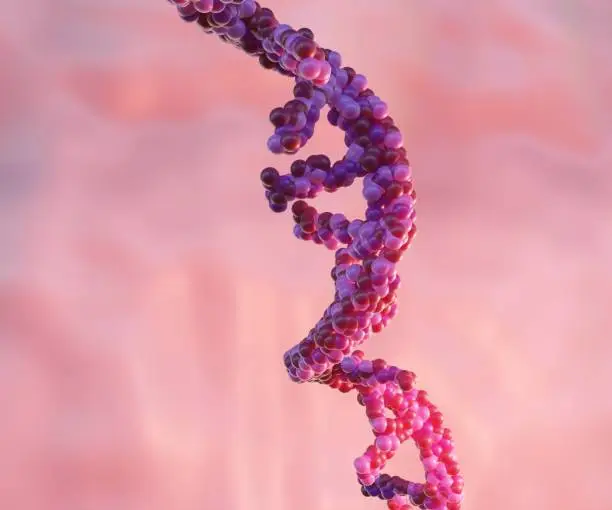
Korean API makers are expanding production of next-generation modalities like RNA, antibody-drug conjugates and peptides
Germany's seasonally adjusted chemical and pharmaceutical production declined 2.8% in the first quarter of 2026 and nearly 6% compared with the previous year. Procurement teams should assess how weaker European output may influence sourcing strategies, inventories and regional supply.
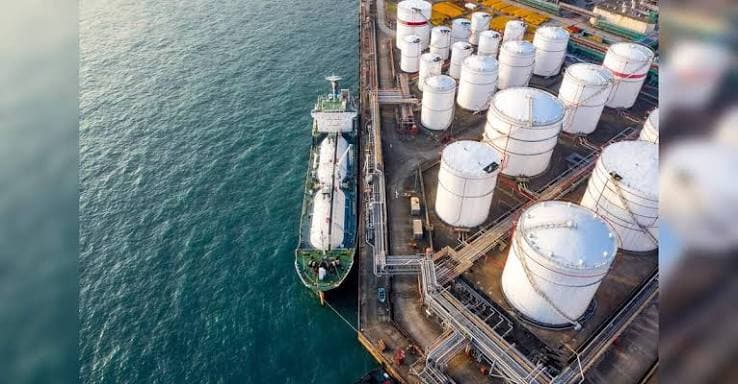
Japan's chemical industry enters H2 2026 after overcoming its most severe naphtha supply disruption in decades. The country's rapid diversification of feedstock sourcing may prove to be the most important long-term outcome of the Hormuz crisis, reshaping procurement strategies well beyond the recovery period.
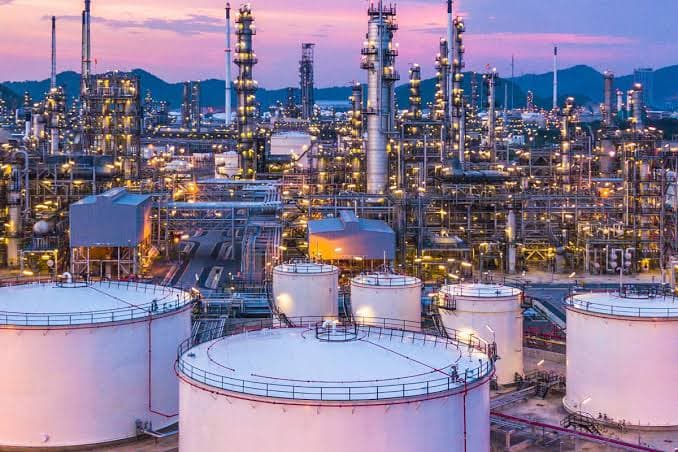
Saudi Arabia's chemical industry closes H1 2026 with SABIC's Ras Tanura terminal restart marking the clearest signal that Gulf petrochemical exports are recovering. As Q3 deliveries resume, international buyers should focus on contract sequencing and supplier engagement rather than assuming immediate spot market availability.
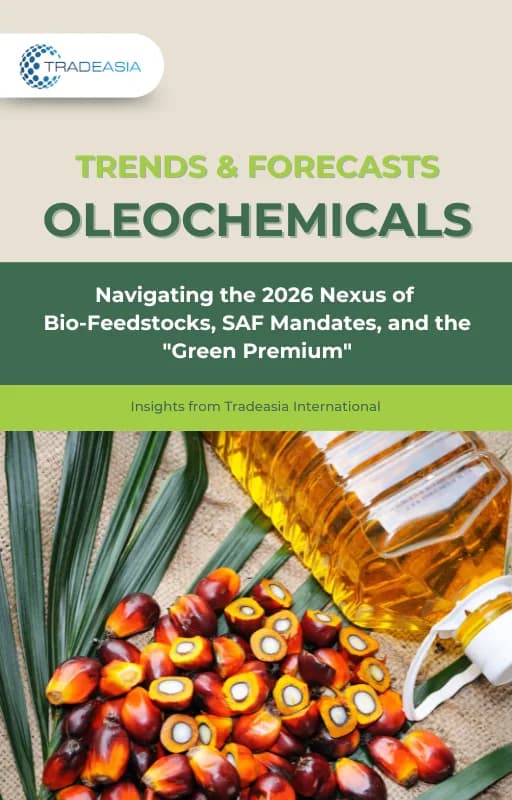
H1 2026 reshaped the global chemical industry through extreme price volatility, shipping disruption, fertilizer market shocks, and major shifts in trade flows. As H2 begins, Gulf supply is recovering — but procurement professionals must prepare for a market where risk remains far from over.
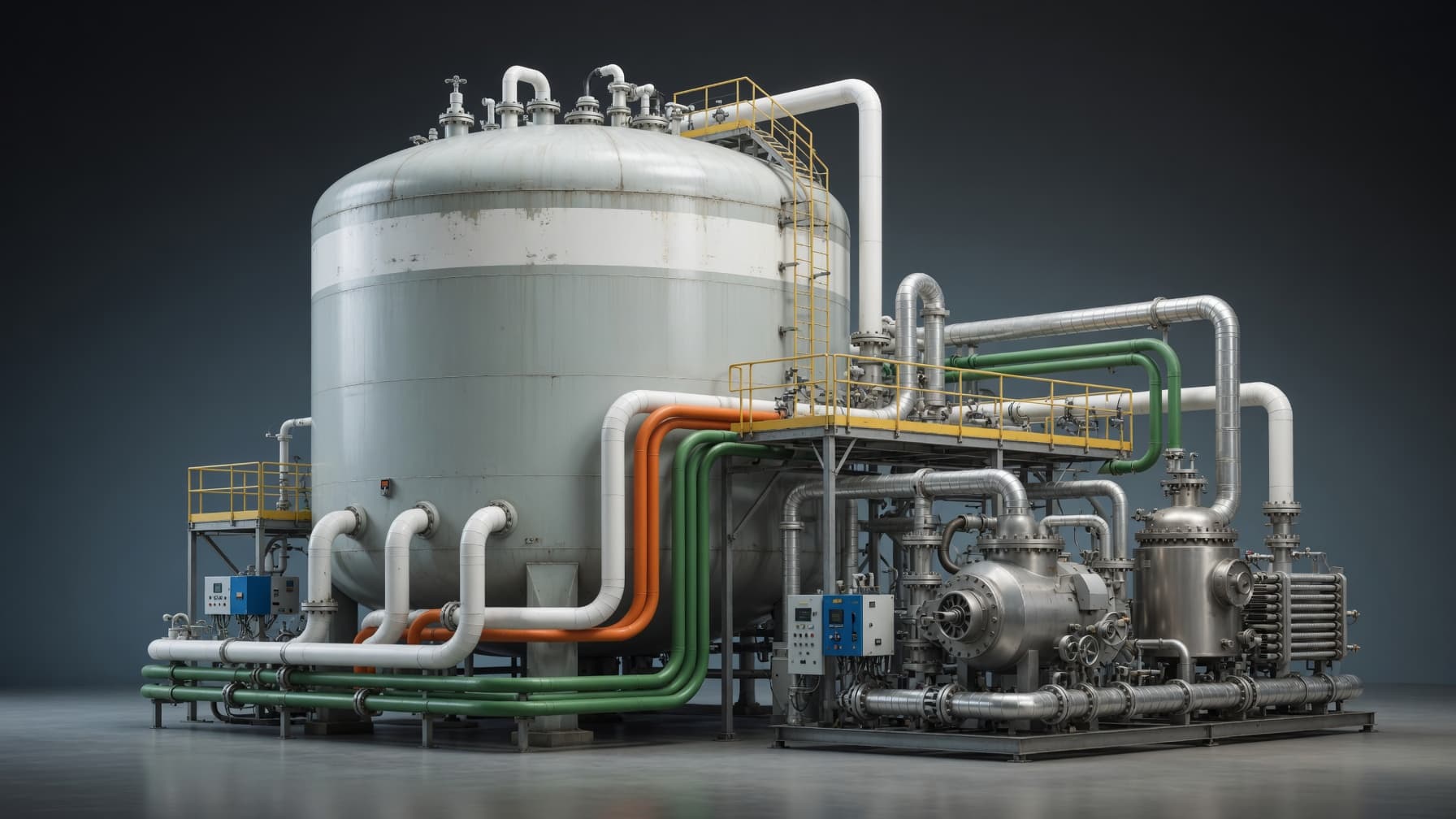
The nylon 6 supply chain faces renewed pressure after LEUNA-Polyamid entered insolvency proceedings, creating uncertainty for European caprolactam production. Buyers should reassess sourcing strategies as specialty chemical capacity remains under pressure.
We're committed to your privacy. Tradeasia uses the information you provide to us to contact you about our relevant content, products, and services. For more information, check out our privacy policy.