
Cetyl Palmitate CAS: 0540-10-3
Cetyl Palmitate CAS: 0540-10-3
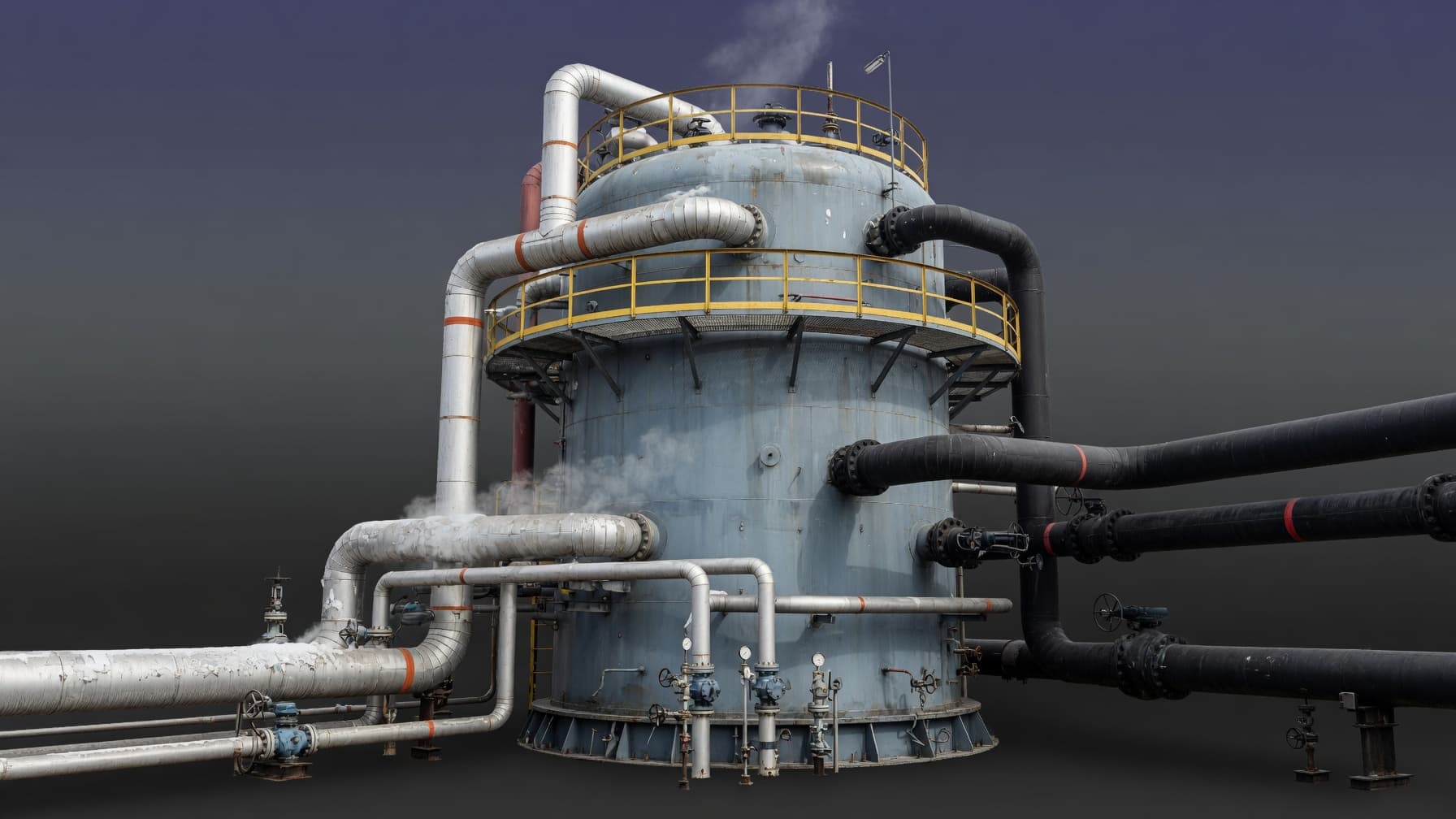
German chemical capacity utilization improved slightly to 75.1% but remains below the level needed for profitable production. With VCI expecting output to fall again across 2026, procurement teams should prepare for restructuring, reduced local availability and greater import dependence.

ADNOC’s two‑hub strategy reshapes the UAE chemical market. While Ruwais ramps up convoy operations, Sohar continues to dominate due to its established logistics network and lower congestion. Chemical buyers must weigh cost, risk, and supply‑chain nuances for Q3 2026.
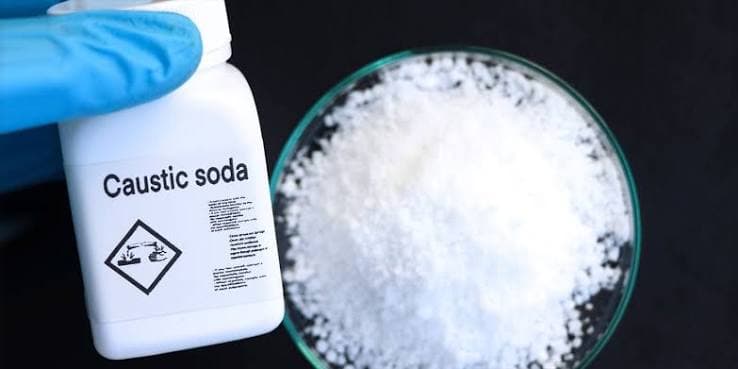
July 2026 is reshaping the chlor-alkali market as Gulf producers begin restoring caustic soda exports while India reinstates import duties after ending its emergency waiver. Procurement teams across Southeast Asia should immediately reassess sourcing strategy as regional supplier competitiveness enters a new phase.
The upcoming EPA PFAS hearings could reshape sourcing decisions for specialty chemical formulators across the United States. Procurement teams should prepare for changing compliance requirements, evolving customer expectations and a more complex regulatory landscape.
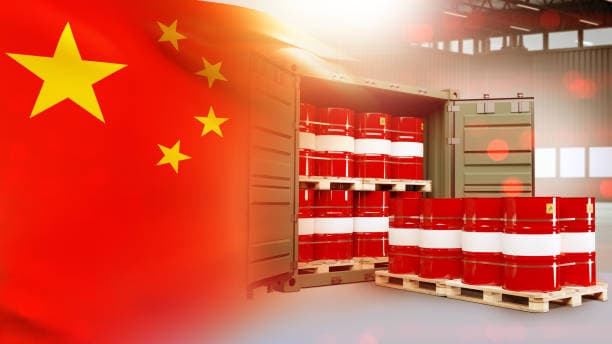
China’s urea export limits and aggressive methanol-to-olefins (MTO) rates set the stage for 2026 chemical flows. July pricing decisions will reveal whether China will defend its crisis‑era share or recalibrate toward market balance. Global buyers must watch China’s export strategy closely.
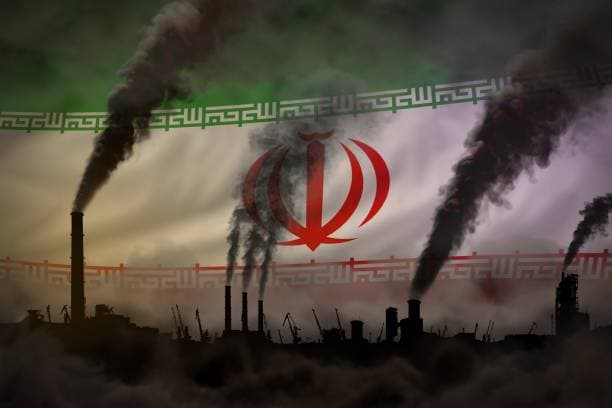
In 2026, Iran’s petrochemical industry suffered a catastrophic 85% loss of production capacity due to sanctions and internal conflicts. The collapse threatens global methanol supply, disrupts Middle East petrochemicals, and forces exporters to seek new markets. Read on for a deep dive into reconstruction challenges and supply chain implications.
We're committed to your privacy. Tradeasia uses the information you provide to us to contact you about our relevant content, products, and services. For more information, check out our privacy policy.