
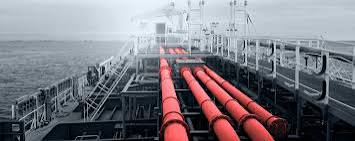
Borax Decahydrate (Technical Grade) - Argentina CAS: 1303-96-4
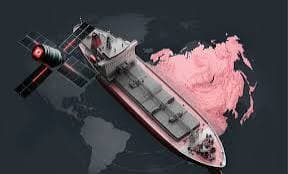

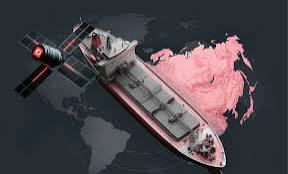
The IMF's April 2026 Regional Economic Outlook highlights the strategic importance of the Strait of Hormuz to global oil, helium, sulfur, ammonia and petrochemical feedstock flows. Chemical procurement teams can use this multilateral data to strengthen supply chain risk assessments and executive decision making.
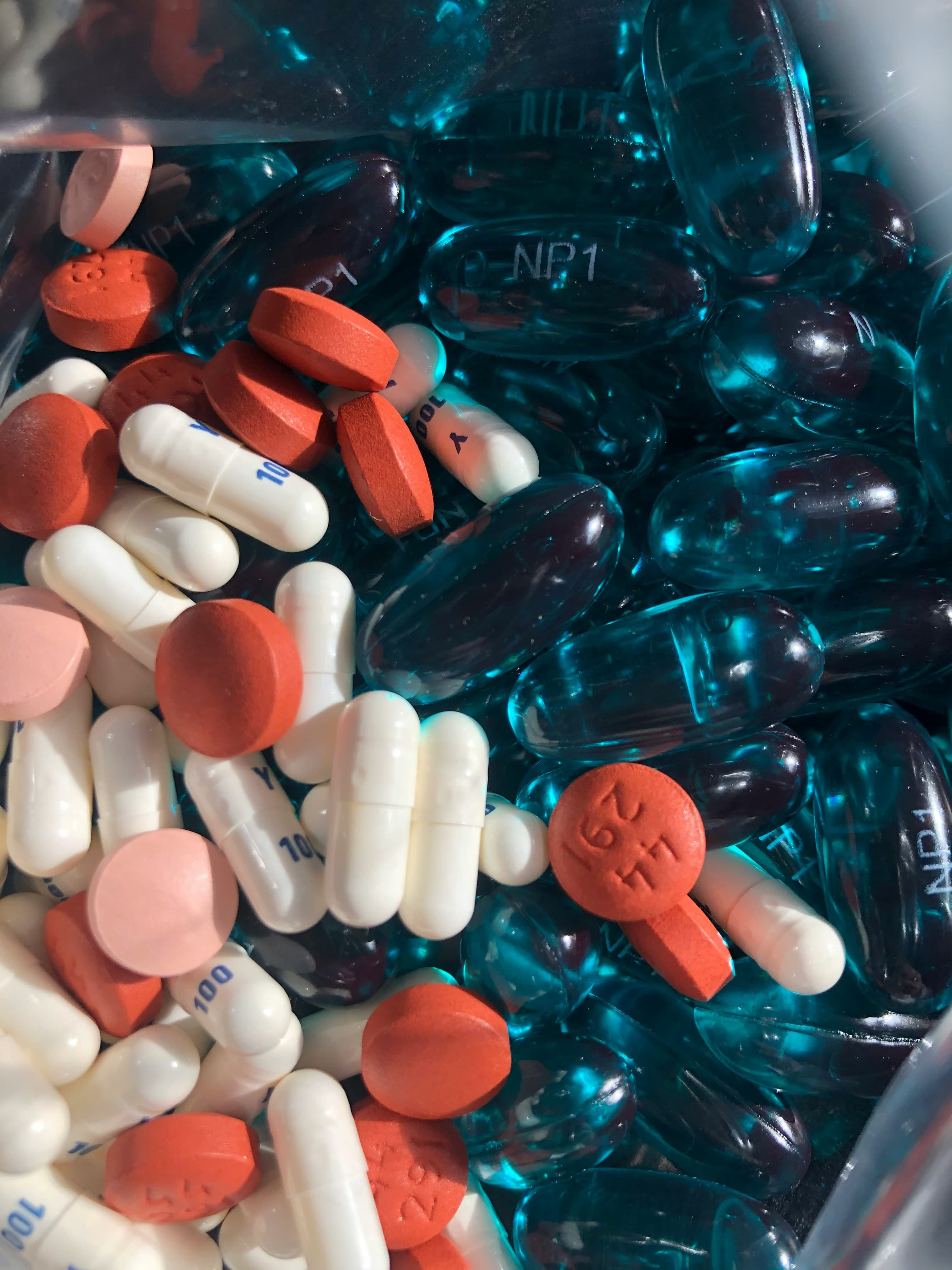
Chinese amino acid producers (L-lysine, L-threonine, taurine, L-methionine, choline chloride) serve global nutraceutical
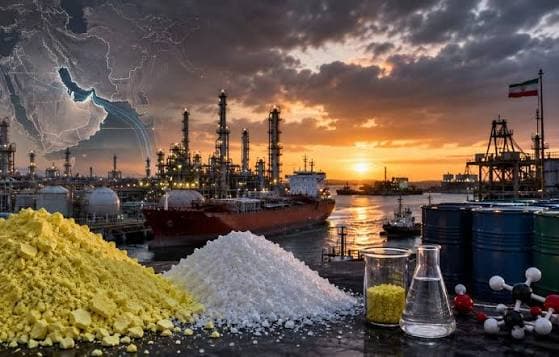
The suspension of methanol exports from Ar-Razi Saudi Methanol, one of the world’s largest methanol producers and a critical Mitsubishi Gas Chemical joint venture, became one of the most important supply disruptions of the 2026 Hormuz crisis. This week may determine whether improving shipping conditions finally allow commercial supply recovery to begin.
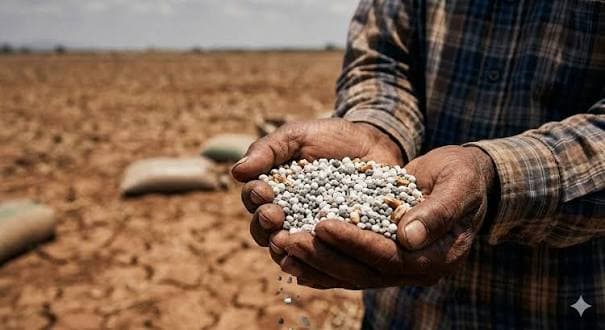
The Kiel Institute’s “Chemical-Food Cascade” framework explains how the 2026 Hormuz crisis is moving beyond chemical supply chains and into food inflation. Fertilizer disruption earlier this year may continue affecting corn, wheat, and sugar-based ingredient costs long after chemical logistics begin recovering.
Brent crude price stability at $74.06 is giving chemical buyers a temporary reference point for Q3 contract planning. Procurement teams are watching energy markets closely as Gulf supply risks continue to influence commodity chemical pricing.
Tropical Storm Arthur has renewed attention on Gulf Coast supply chain risk just as the 2026 Atlantic hurricane season begins. Find out how refinery shutdowns, logistics disruptions and weather uncertainty could affect procurement strategies for corn starch, glucose and dextrose buyers during the second half of 2026.
We're committed to your privacy. Tradeasia uses the information you provide to us to contact you about our relevant content, products, and services. For more information, check out our privacy policy.