
Related Insights

War-Risk Insurance Faces Renewed Scrutiny: What the Ceasefire Collapse Means for Chemical Shipping
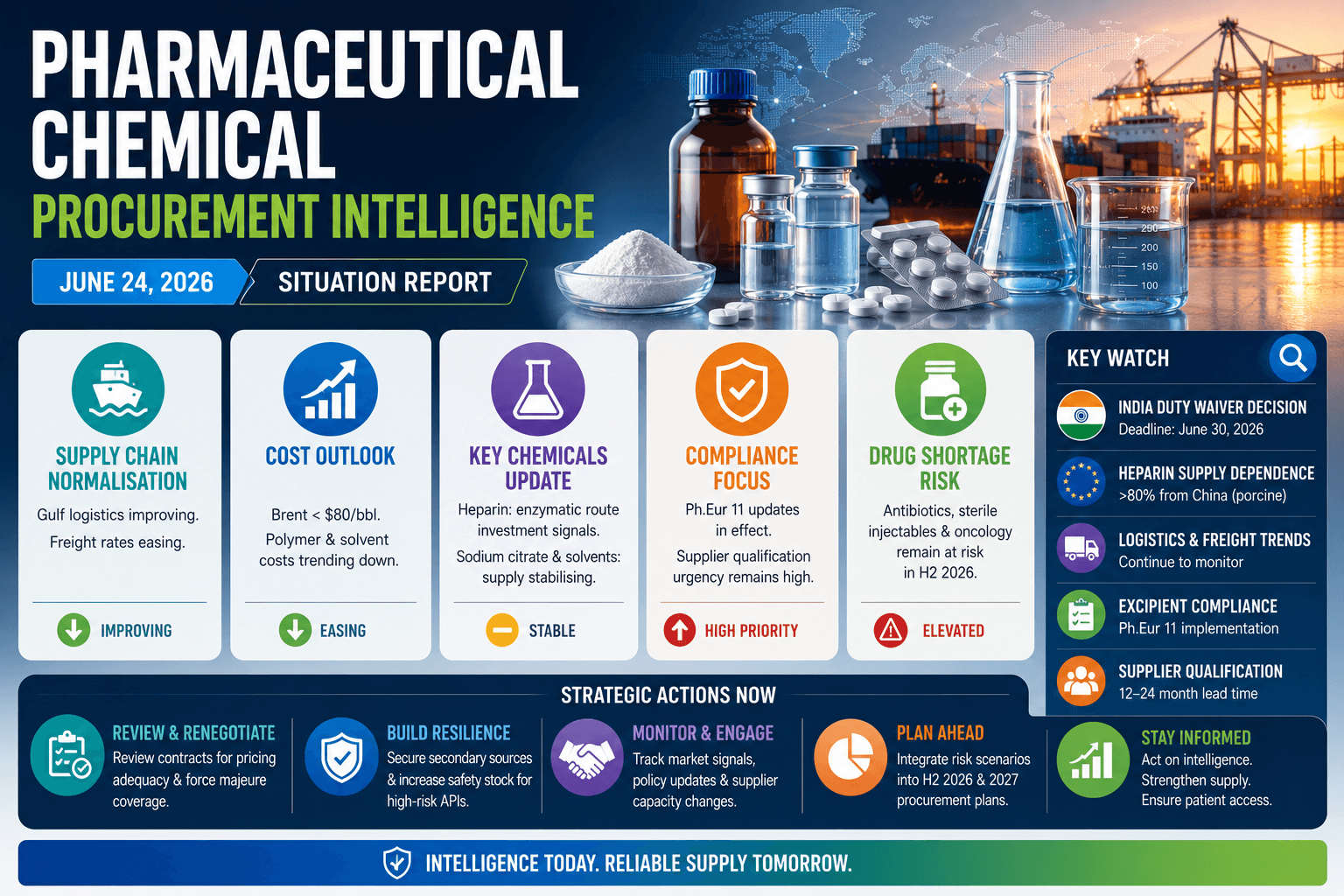
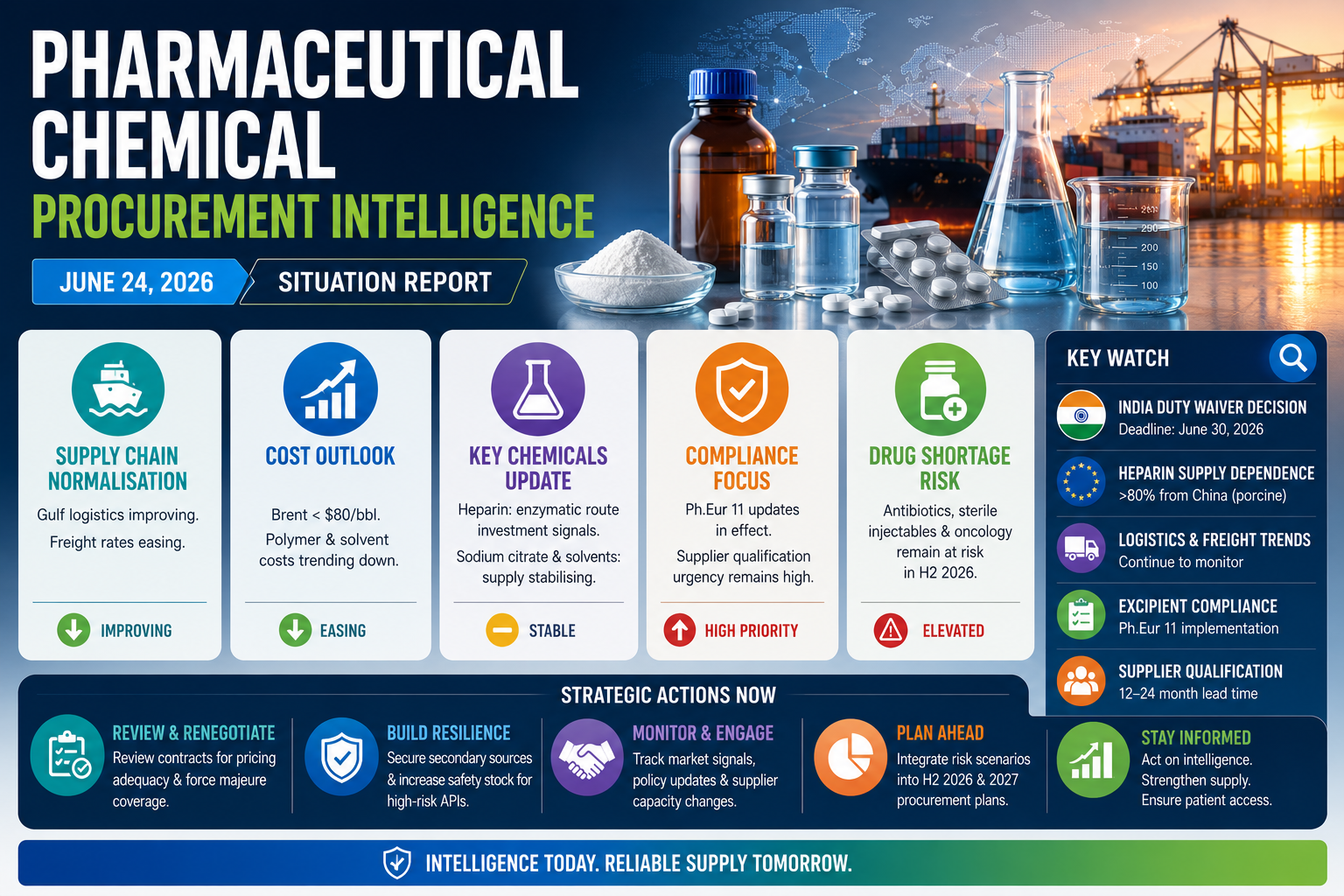
The collapse of the June 17 ceasefire and the resumption of tanker attacks have renewed attention on war-risk insurance pricing for global shipping. Chemical procurement teams should evaluate freight costs, insurance exposure and logistics contingency plans.
Jordan API Supply: Post-Crisis Recovery Assessment for Antibiotic Procurement Teams
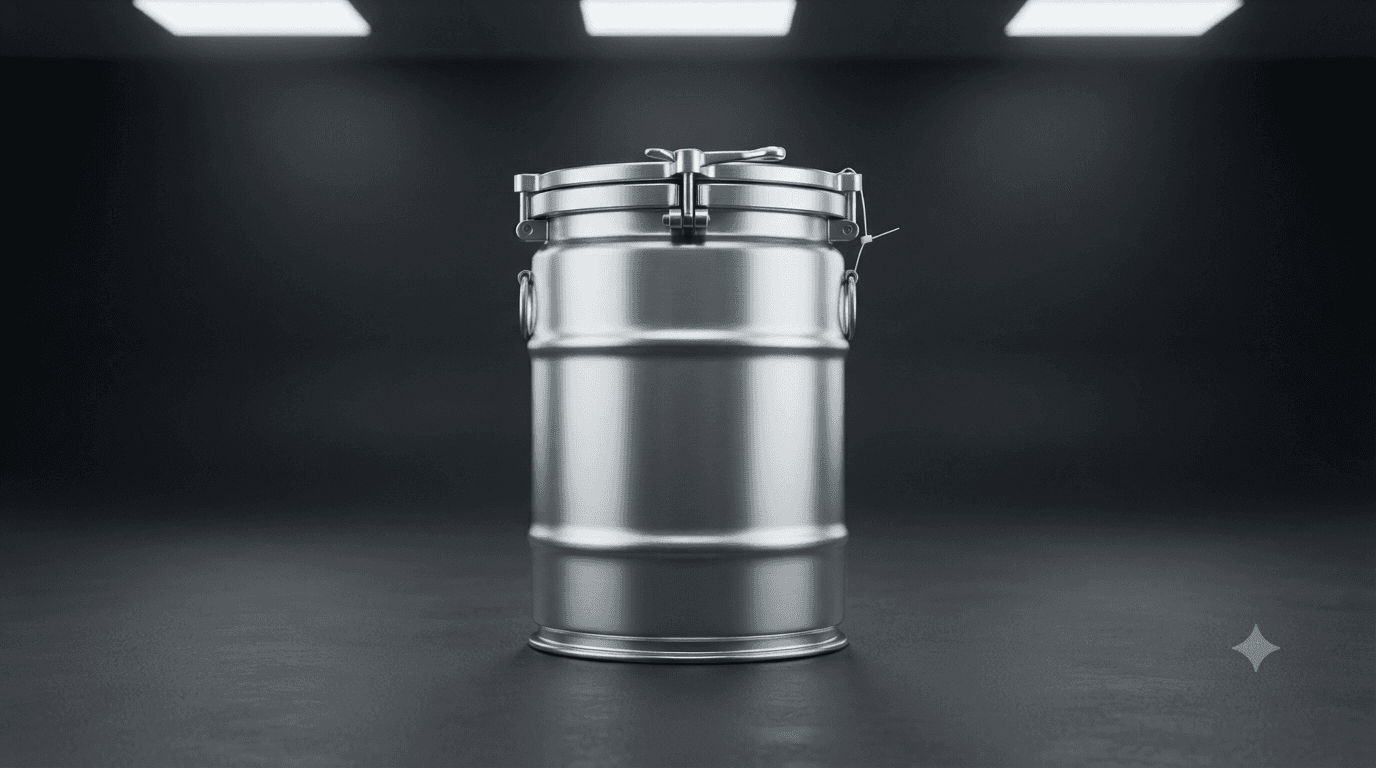
Jordan's pharmaceutical API exports are showing signs of recovery as regional shipping conditions improve. Buyers dependent on antibiotic APIs should use July to verify logistics, rebuild inventories and secure Q3 supply agreements. This guide evaluates logistics recovery, procurement risks and outlines actionable Q3 sourcing strategies.

War Risk Insurance for Hormuz Transits: Why Premiums Remain High Despite Supply Recovery in H1 2026
War risk insurance has become one of the biggest cost drivers for Gulf chemical shipments in H1 2026. This review explains why premiums remain elevated even as physical exports recover and what procurement teams should expect during H2 2026.

Container Freight Rates in H1 2026: Why Freight Costs Are Unlikely to Return to Pre-Crisis Levels Soon
Container freight markets finished H1 2026 well above pre-crisis pricing despite easing fuel costs. This review explains how Cape of Good Hope routing, carrier commitments and war risk surcharges continue to shape chemical logistics costs for H2 2026.

Glycerin Pharmaceutical Grade: H1 Closing Review of EUDR and Supply Chain Challenges
Pharmaceutical-grade glycerin enters H2 2026 at the intersection of supply chain recovery and evolving sustainability regulations. Pharmaceutical buyers must balance USP/EP quality requirements with EUDR compliance while diversifying sourcing strategies.

Ethanol and Solvents Market Outlook: How July 1 Changes Indian and Asian Buying Strategies
July 1, 2026 brings major changes for ethanol and solvent buyers as India’s duty waiver expires while lower crude prices improve production economics across Asia. This analysis explains how procurement teams can prepare for H2 2026 sourcing decisions.
Don't miss out on our updates! Subscribe to our newsletter now
We're committed to your privacy. Tradeasia uses the information you provide to us to contact you about our relevant content, products, and services. For more information, check out our privacy policy.