
Cocamidopropyl Betaine CAS: 61789-40-0
Cocamidopropyl Betaine CAS: 61789-40-0
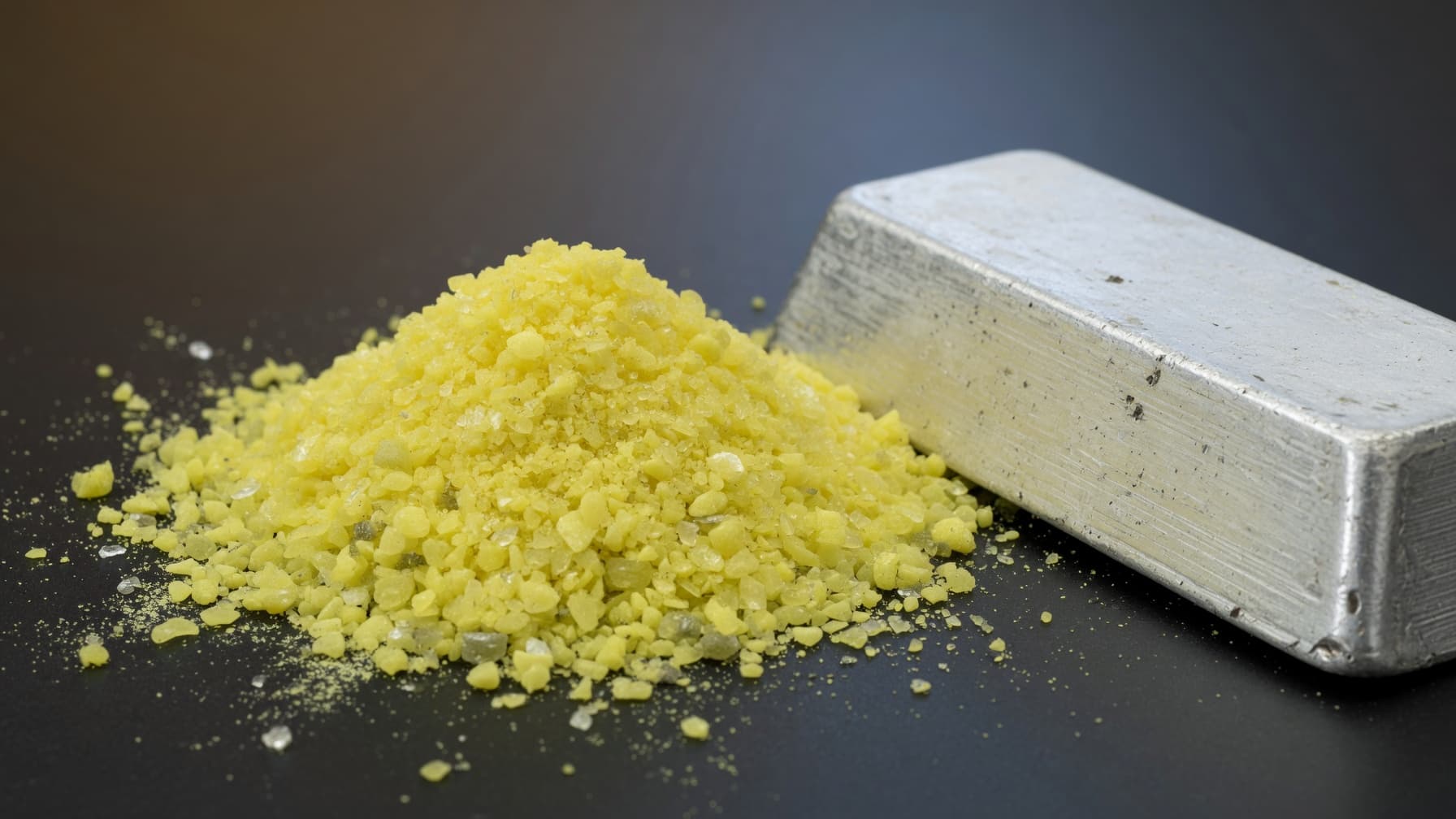
The Strait of Hormuz disruption extends beyond oil markets, affecting sulfur, aluminum, methanol and graphite that support global chemical manufacturing. Procurement teams should reassess sourcing strategies as industrial raw material risks continue to evolve.

The IMF's April 2026 Regional Economic Outlook highlights the strategic importance of the Strait of Hormuz to global oil, helium, sulfur, ammonia and petrochemical feedstock flows. Chemical procurement teams can use this multilateral data to strengthen supply chain risk assessments and executive decision making.
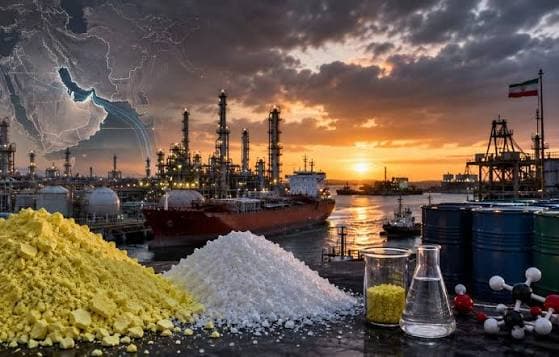
The suspension of methanol exports from Ar-Razi Saudi Methanol, one of the world’s largest methanol producers and a critical Mitsubishi Gas Chemical joint venture, became one of the most important supply disruptions of the 2026 Hormuz crisis. This week may determine whether improving shipping conditions finally allow commercial supply recovery to begin.
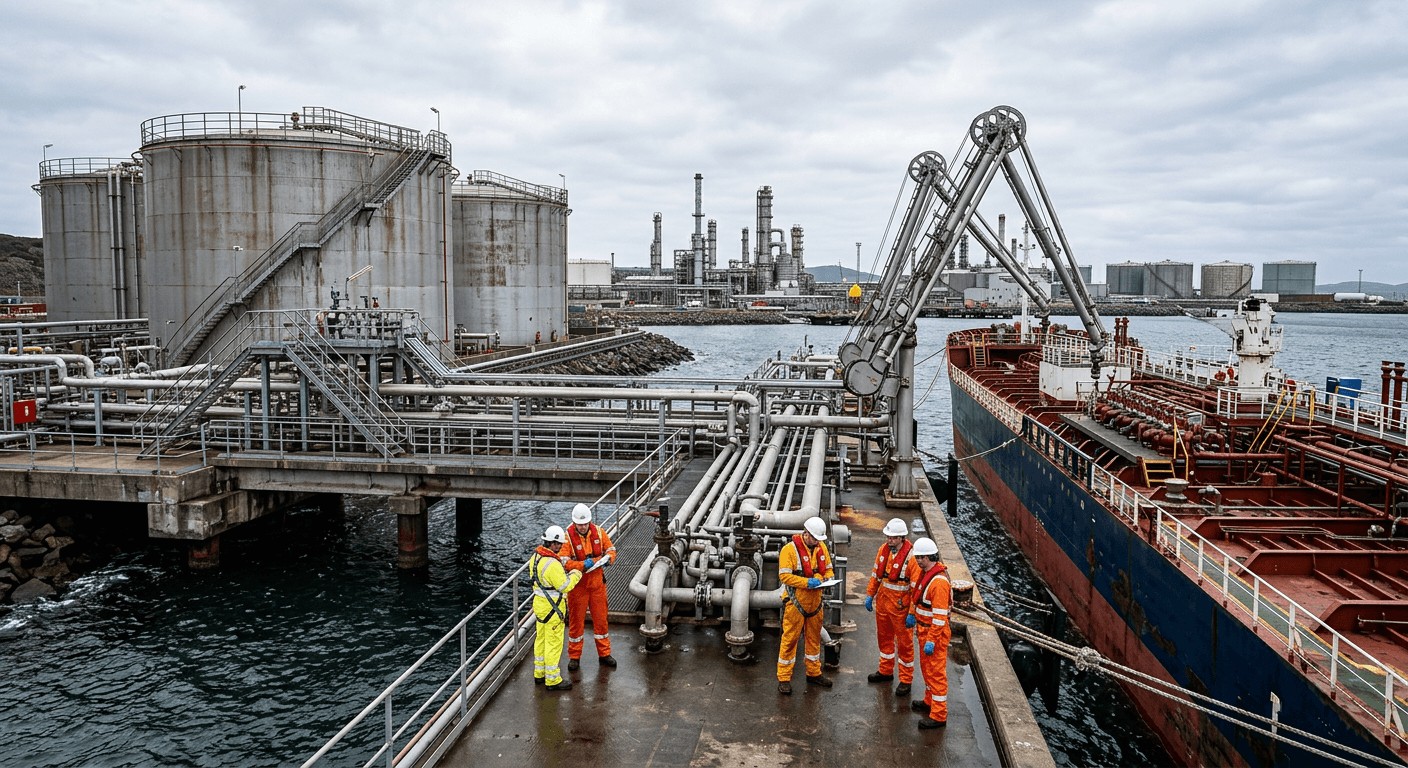
India’s chemical procurement market enters a new cost environment after the customs duty exemption ended on July 1. Buyers must now recalculate landed costs as duties return across key petrochemical raw materials.

As global shipping routes begin normalizing after the Hormuz disruption, the Panama Canal is experiencing renewed congestion. Chemical shippers should prepare for extended transit times and scheduling uncertainty through Q3 2026.
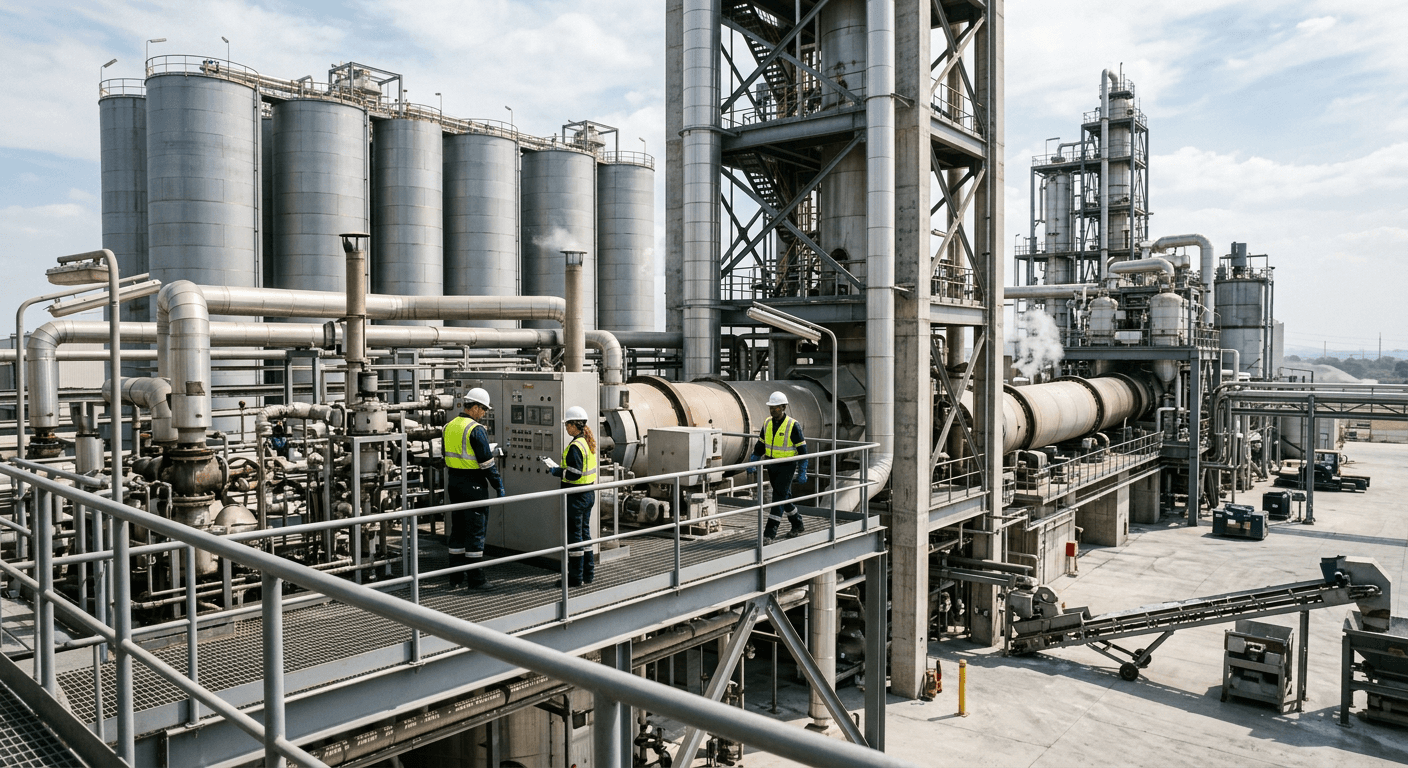
Soda ash markets are showing strong regional differences in 2026 as high Chinese output pressures export prices while freight disruptions raise delivered costs elsewhere. This market update explains why buyers should focus on landed cost analysis instead of headline pricing.
We're committed to your privacy. Tradeasia uses the information you provide to us to contact you about our relevant content, products, and services. For more information, check out our privacy policy.