Lithium‑ion batteries dominate the electric‑vehicle (EV) and grid‑storage markets, and the choice of lithium salt can shape a product’s performance, cost, and supply risk. Two salts—lithium carbonate (Li2CO3) and lithium hydroxide (LiOH)—lead the industry. This article unpacks their chemistry, market size, price drivers, and application fit, equipping chemical traders and procurement managers with the data they need to source the right material.
What Is Lithium Carbonate and Lithium Hydroxide?
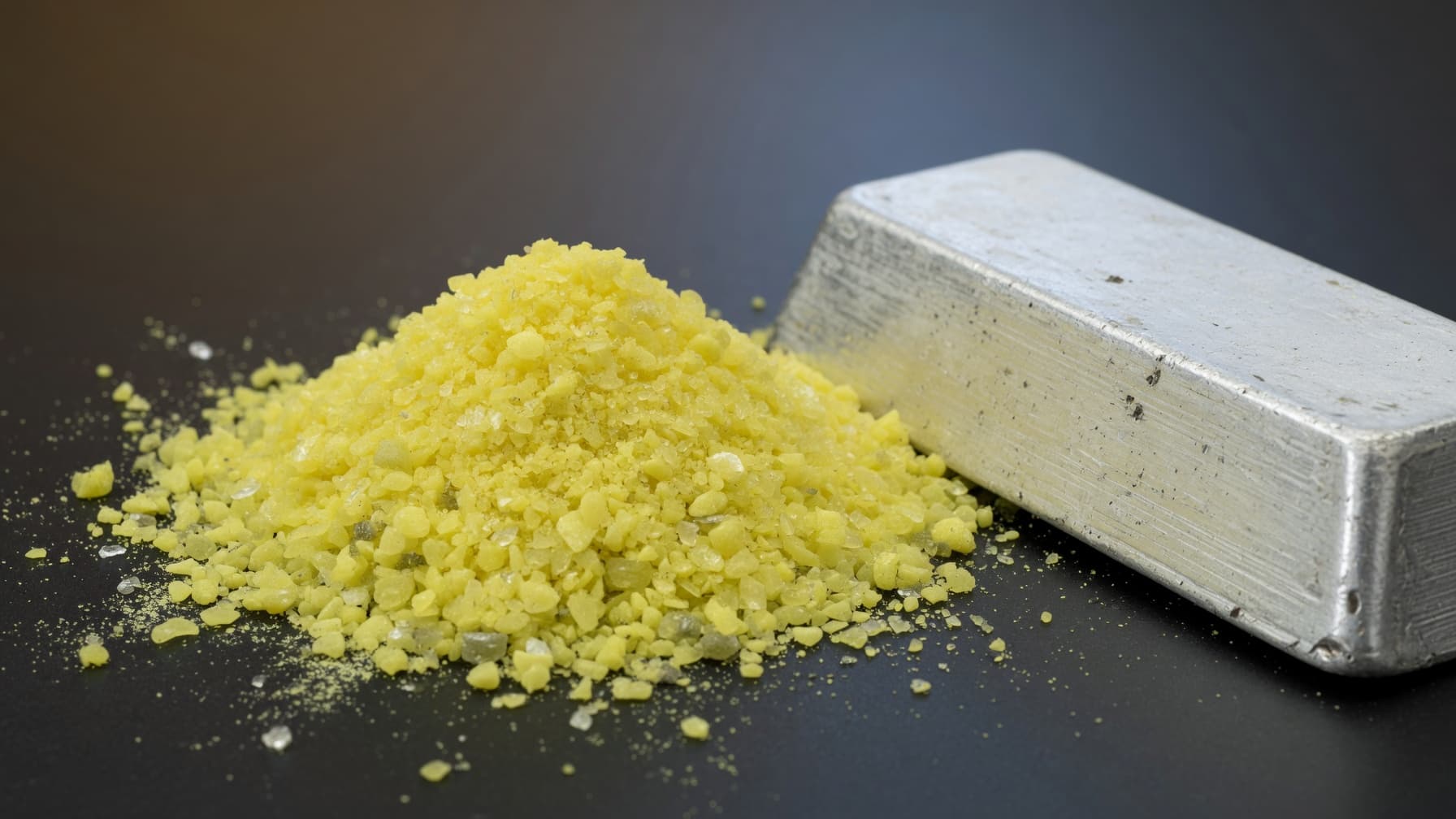
Lithium carbonate is a white, crystalline solid that dissolves in water to form lithium ions and carbonate ions. It is the most widely used lithium salt in battery cathodes, particularly for NMC (lithium nickel manganese cobalt oxide) and NCA (lithium nickel cobalt aluminum oxide) chemistries. Lithium hydroxide, a hygroscopic white powder, releases lithium ions and hydroxide ions in solution. Its higher pH makes it attractive for high‑energy cathodes such as LiFePO4 and for advanced solid‑state electrolytes.
Global Market Size and Demand in 2026
In 2026, the global lithium‑salt market is projected to exceed $12 billion, driven by EV sales that surpassed 20 million units and grid storage projects totaling 10 GW. Lithium carbonate accounts for roughly 70% of the volume, while lithium hydroxide represents 25%, the remaining 5% being lithium chloride and other salts. Demand for lithium hydroxide is rising fastest, with a compound annual growth rate (CAGR) of 12% versus 6% for lithium carbonate.
Key Price Drivers and Market Forces Right Now
Price dynamics hinge on four pillars:
- Supply bottlenecks – Lithium carbonate production is concentrated in North America, China, and Australia; lithium hydroxide plants are emerging in Europe and Asia.
- Conversion costs – Lithium hydroxide requires a higher‑temperature conversion from lithium carbonate or spodumene; this adds 15–20 % to unit cost.
- End‑use specifications – Battery makers demanding high energy density push for lithium hydroxide to avoid carbonate residue.
- Geopolitical risk – Sanctions on Chile and policy shifts in China can shift production bases.
In 2025, lithium carbonate prices averaged $1,200 per ton, while lithium hydroxide hovered near $1,800 per ton. The spread is expected to widen if lithium hydroxide plants scale up, as the conversion cost margin tightens.
Top Producing or Exporting Countries
Major lithium carbonate producers include:
- Australia – 35% of global output, with a focus on high‑purity grades.
- China – 25%, driven by domestic battery makers.
- Chile – 20%, a key feedstock for lithium hydroxide.
- United States – 10%, with new plants in Nevada and California.
Lithium hydroxide production is concentrated in:
- China – 40%, leveraging existing carbonate plants.
- Germany – 25%, supporting European battery clusters.
- United Arab Emirates – 15%, exporting to Japan and South Korea.
Applications and Who Buys This
Battery makers are the primary buyers, but other sectors are emerging:
- EV manufacturers – Tesla, Hyundai, and BYD rely on lithium carbonate for NMC cathodes.
- Grid‑storage developers – Siemens Gamesa and Fluence use lithium hydroxide to enhance safety and cycle life.
- Portable electronics – High‑capacity smartphones and laptops favor lithium hydroxide for thinner cells.
- Emerging solid‑state technologies – Universities and start‑ups experiment with lithium hydroxide to stabilize solid electrolytes.
Risks, Challenges or Regulatory Issues
Several factors can constrain supply and increase cost volatility:
- Environmental regulations – Water usage limits in Australia and New Zealand could reduce carbonate output.
- Supply chain fragmentation – Lithium hydroxide conversion plants require complex logistics, raising shipping costs.
- Quality standards – Battery manufacturers demand trace metal limits below 1 ppm; any deviation triggers costly rework.
- Currency fluctuations – The USD/JPY and USD/CNH pairs directly affect import/export pricing.
Outlook for 2027 and Beyond
Industry consensus points to a gradual shift toward lithium hydroxide as battery chemistries evolve toward higher voltage and safety. By 2029, lithium hydroxide could capture 35% of the market volume, provided new plants in Europe and South America come online. Lithium carbonate will remain essential for cost‑effective large‑scale production, especially in regions lacking conversion infrastructure.
The Bottom Line for Procurement Teams
For buyers, the decision between lithium carbonate and lithium hydroxide hinges on end‑use performance, cost tolerance, and supply security. If your customer prioritizes high energy density and can absorb a premium, lithium hydroxide offers the edge. If volume and cost dominate, lithium carbonate is the safer bet. Diversifying suppliers across regions mitigates geopolitical risk and ensures a steady supply chain.
Looking to source lithium carbonate or lithium hydroxide? Explore verified global suppliers on our platform.