

Related Insights

Specialty Chemical Intelligence: Weekly Procurement Brief – July 3, 2026
This week's specialty chemical intelligence highlights five procurement priorities, from supply chain resilience and helium planning to LABSA sourcing, biosurfactants, and regulatory readiness.
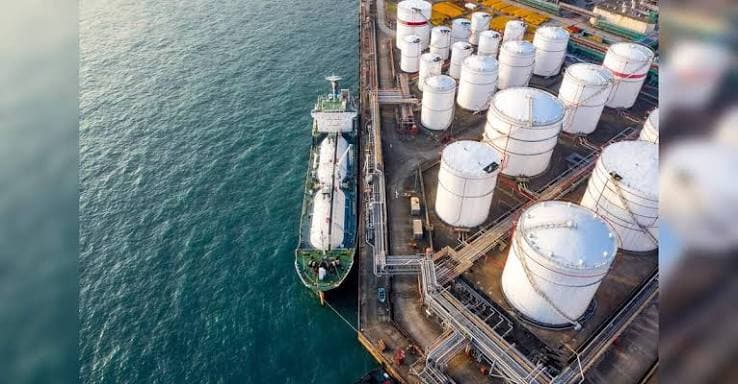
Japan Country Watch: The 46% Naphtha Import Collapse and the Structural Diversification Outcome
Japan's chemical industry enters H2 2026 after overcoming its most severe naphtha supply disruption in decades. The country's rapid diversification of feedstock sourcing may prove to be the most important long-term outcome of the Hormuz crisis, reshaping procurement strategies well beyond the recovery period.
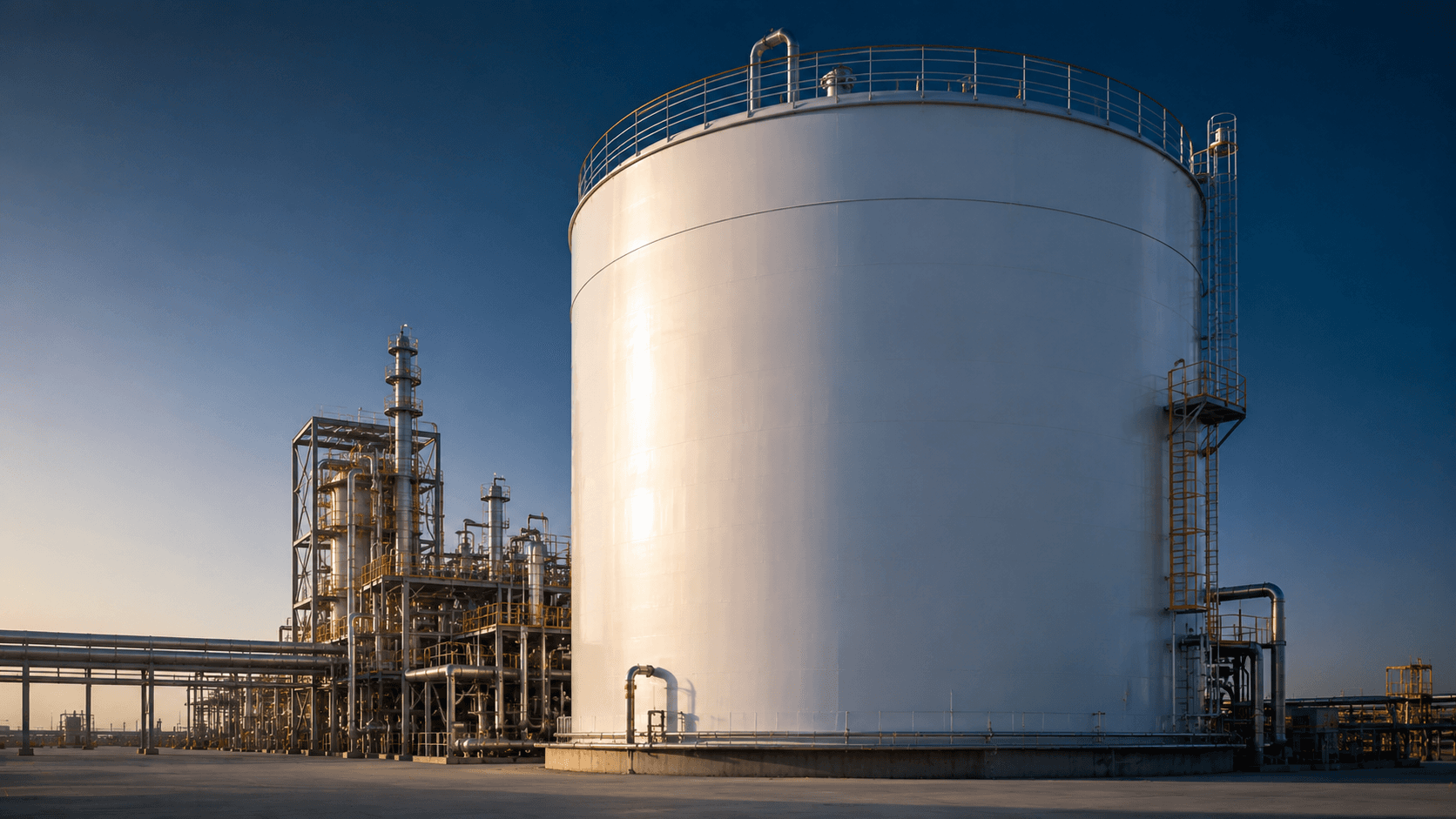
PTA and PX: China's Overcapacity Build vs Gulf Supply Status, A Q3 2026 Market Structure Analysis
China's rapid expansion of PTA and PX capacity has reshaped the global polyester supply chain entering Q3 2026. While Gulf PX supply gradually returns, Chinese overcapacity continues to pressure export prices, creating new opportunities and challenges for buyers across Asia.

FACT Ammonia Tender 2026: Formula Pricing Sets New Procurement Standard
FACT India’s new 2026 ammonia tender marks a decisive move toward formula‑linked contracts, offering stability in a market plagued by volatile fertilizer prices. This long‑duration deal signals a strategic shift in fertilizer procurement, providing a predictable pricing framework for the next decade.

Ethanol and Solvents Market Outlook: How July 1 Changes Indian and Asian Buying Strategies
July 1, 2026 brings major changes for ethanol and solvent buyers as India’s duty waiver expires while lower crude prices improve production economics across Asia. This analysis explains how procurement teams can prepare for H2 2026 sourcing decisions.

UN Fertilizer Food Security Update June 2026: Supply Risks Moderate
The latest UN food security assessment shows improving fertilizer supply but persistent risks for import‑dependent agricultural economies. While global fertilizer availability has steadied, price volatility and supply chain disruptions continue to threaten food security in vulnerable regions.
Don't miss out on our updates! Subscribe to our newsletter now
We're committed to your privacy. Tradeasia uses the information you provide to us to contact you about our relevant content, products, and services. For more information, check out our privacy policy.