
Calcium Hydroxide - China CAS: 1305-62-0
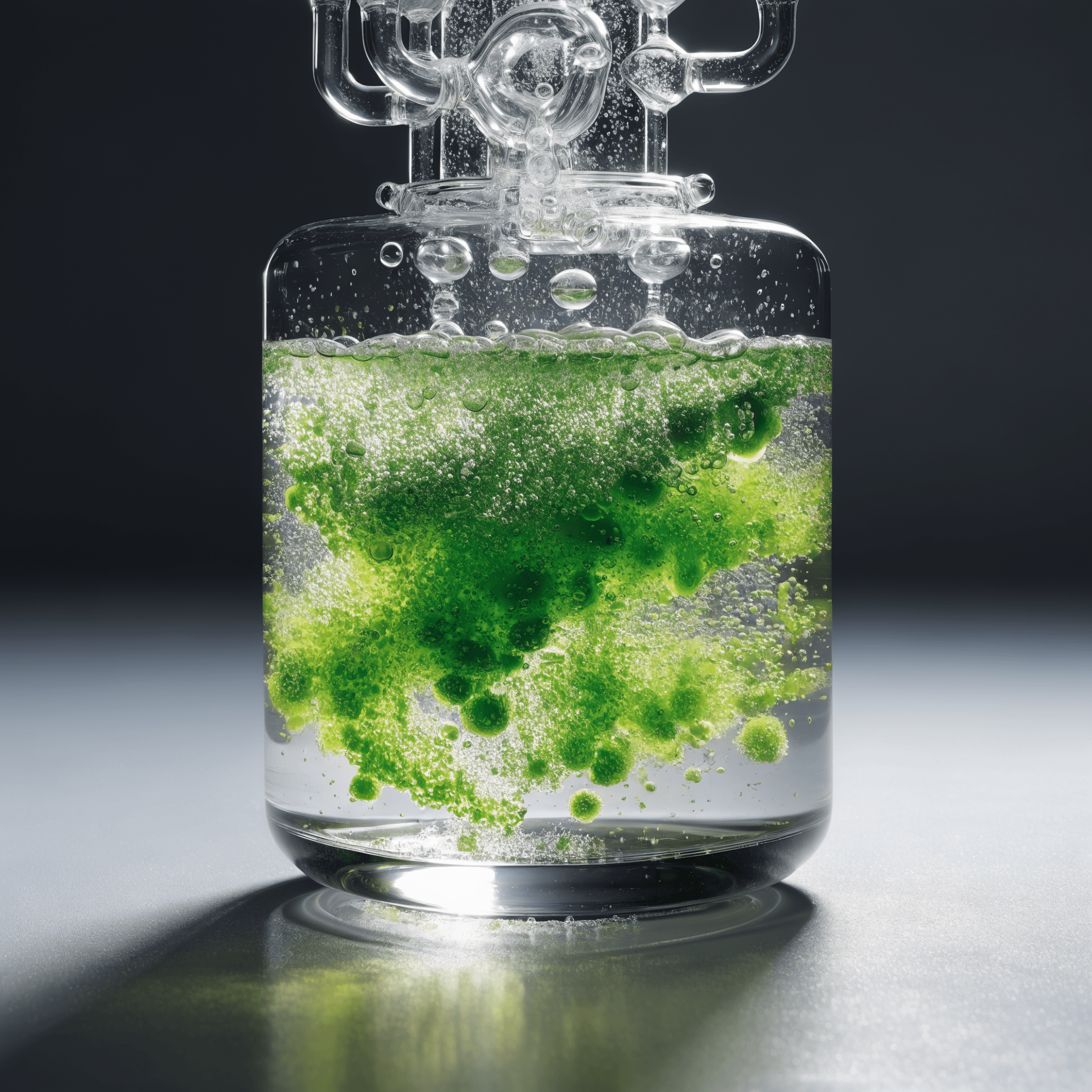
Fermentation-based marine ingredients such as algal DHA, astaxanthin and beta-glucan offer food manufacturers a more resilient supply chain during periods of global shipping disruption. Procurement teams should understand why production geography matters as much as ingredient performance.
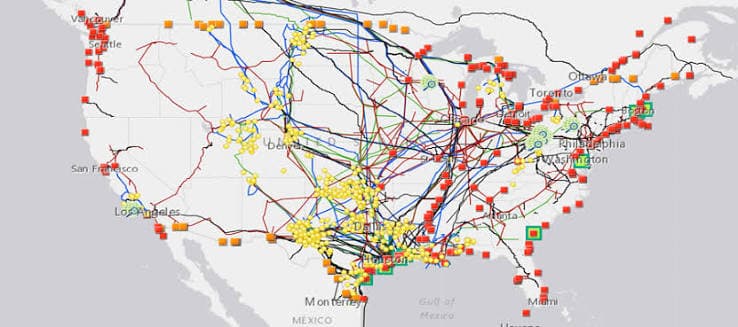
Choosing where to build a chemical plant has become significantly more complex than comparing feedstock costs alone. Modern investment decisions balance economics, logistics, regulation, infrastructure and geopolitical resilience. Understanding these factors helps procurement professionals anticipate where future global chemical capacity is most likely to be built.

A definitive analytical article for Day 125 of the Hormuz crisis: what has permanently changed about the chemical procurement profession itself, not just the market conditions it manages.
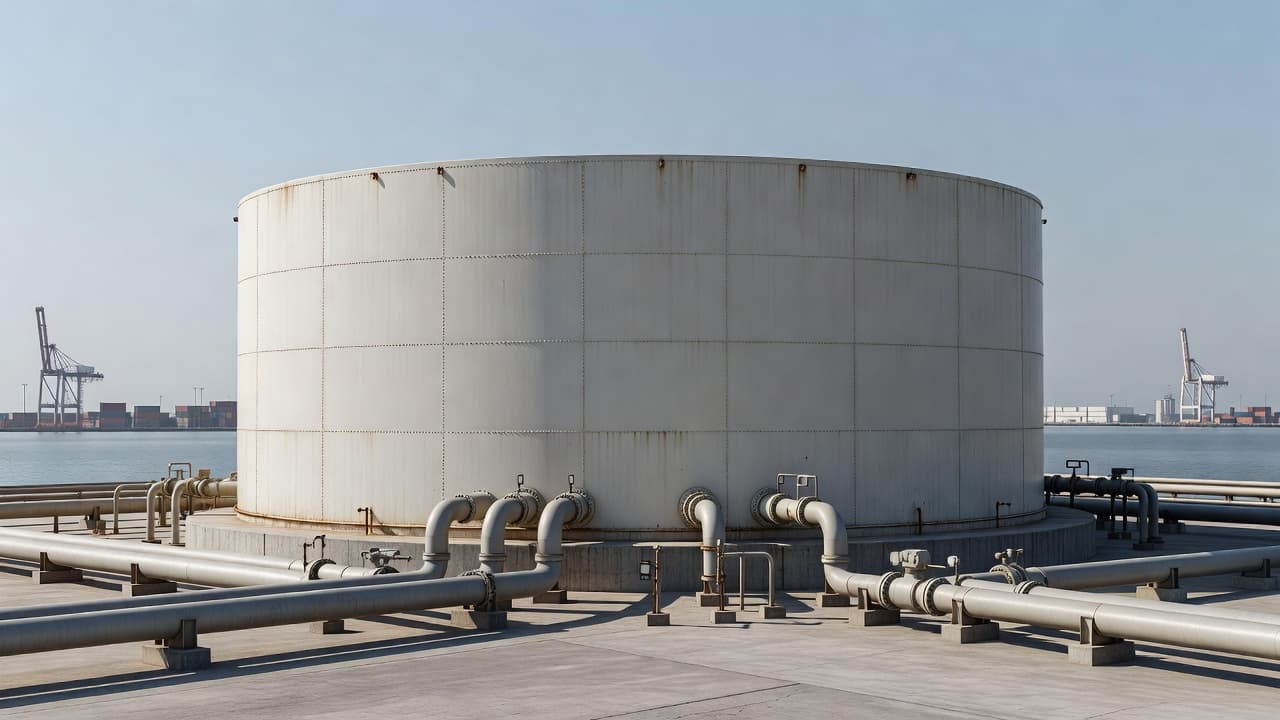
Chemical supply chains depend on stable trade routes, diplomatic channels and predictable negotiations. The Oman crisis shows how quickly geopolitical decisions can affect sourcing strategies, supplier confidence and procurement planning.
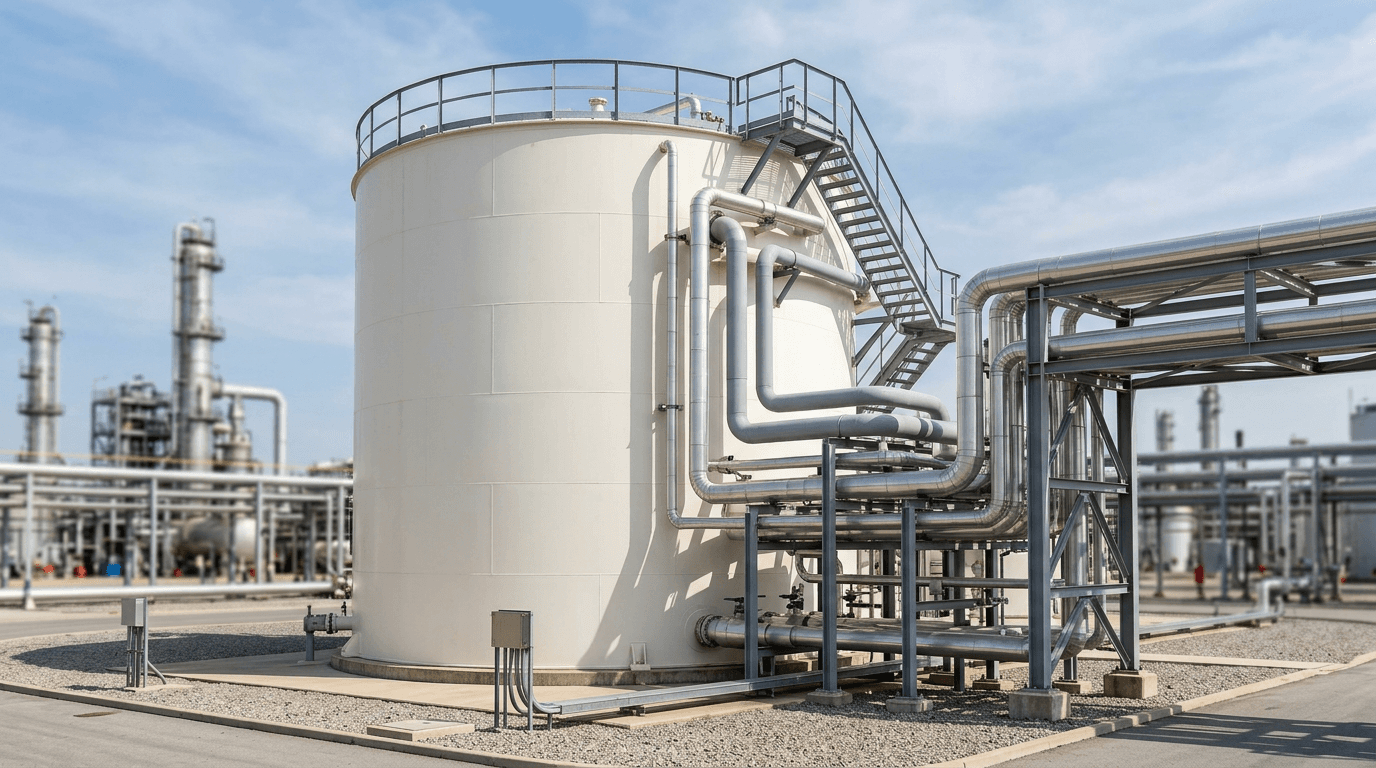
Conflicting statements about Iran negotiations create uncertainty for global chemical procurement teams. The latest Strait of Hormuz supply signals show why buyers should rely on verified logistics data instead of political headlines.
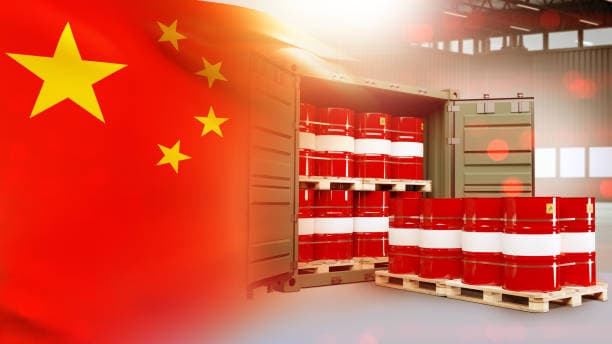
China’s urea export limits and aggressive methanol-to-olefins (MTO) rates set the stage for 2026 chemical flows. July pricing decisions will reveal whether China will defend its crisis‑era share or recalibrate toward market balance. Global buyers must watch China’s export strategy closely.
We're committed to your privacy. Tradeasia uses the information you provide to us to contact you about our relevant content, products, and services. For more information, check out our privacy policy.