




Escalating geopolitical developments are increasing attention on congressional oversight and the potential for new policy actions. Chemical companies should monitor legislative developments that could influence sanctions, trade regulations and supply chain compliance.

Capacity reductions by Solvay in Europe and Searles Valley Minerals in California highlight structural changes in the global soda ash market. Procurement teams should understand how supply rationalization could influence pricing, investment and long-term sourcing strategies.

Food ingredient procurement has become increasingly dependent on timely market intelligence. Real-time data helps buyers improve shipment visibility, anticipate freight changes and make sourcing decisions with greater confidence.

EUDR compliance is becoming a critical procurement priority for palm-derived personal care ingredients. Companies supplying EU markets should complete supplier audits and verify traceability now to avoid potential disruptions when enforcement accelerates in H2 2026.

EU’s Environmental, Urban, and Development Regulations (EUDR) are tightening, putting Indonesian palm chemical suppliers in the crosshairs. This article explains the compliance gaps, the risks for palm-based fatty acids and glycerin, and what EU buyers must do now. Get the facts before enforcement hits the market.
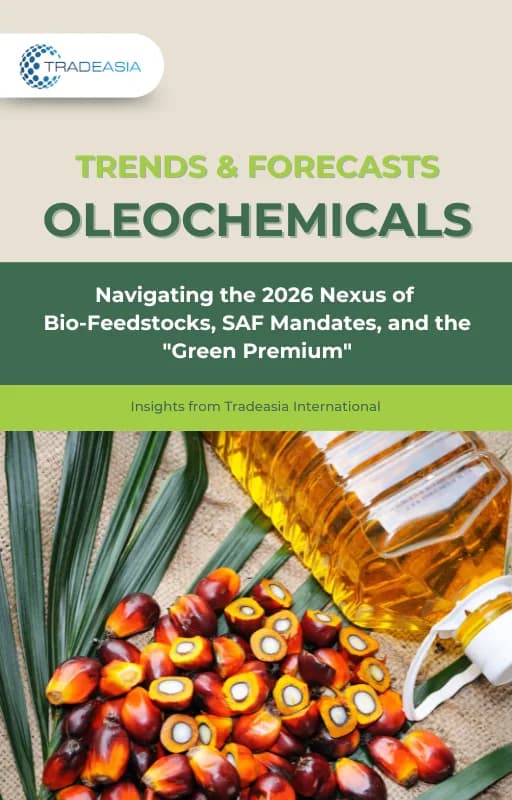
The EPA has finalized a sweeping PFAS reporting rule under TSCA Section 8(a)(7), covering all PFAS manufactured and imported in the U.S. from 2011‑2022. Importers of PFAS‑containing resins, coatings and functional chemicals need to act fast to meet the new compliance window and portal requirements. This article explains the rule, the reporting timeline, and practical steps to stay compliant.
We're committed to your privacy. Tradeasia uses the information you provide to us to contact you about our relevant content, products, and services. For more information, check out our privacy policy.