




Escalating geopolitical developments are increasing attention on congressional oversight and the potential for new policy actions. Chemical companies should monitor legislative developments that could influence sanctions, trade regulations and supply chain compliance.

Fermentation-based marine ingredients such as algal DHA, astaxanthin and beta-glucan offer food manufacturers a more resilient supply chain during periods of global shipping disruption. Procurement teams should understand why production geography matters as much as ingredient performance.

The EU Circular Economy Act is set to reshape the chemical industry with new recycled content regulations, chemical recycling mandates and EPR compliance. By 2026, manufacturers must adapt to PyOil technology and meet stringent sustainability targets.

Food ingredient buyers continue to face elevated costs as Gulf supply chains recover from the Hormuz crisis and freight disruptions.
The U.S. EPA’s Toxic Release Inventory (TRI) now requires reporting of 205 PFAS chemicals with no concentration exemption as of July 1, 2026. Companies that used or manufactured any of these substances in 2025 must file or face steep penalties. This article breaks down the new rules, impacts, and compliance steps.

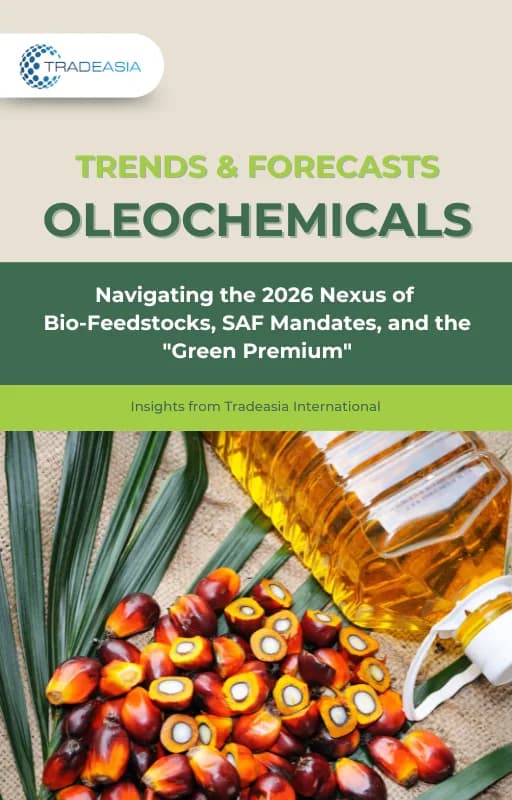
The EU Deforestation Regulation (EUDR) is reshaping how chemical companies source ingredients, especially palm‑based products. With stricter due‑diligence and RSPO compliance, suppliers must now prove palm oleochemicals traceability across the entire chain.
We're committed to your privacy. Tradeasia uses the information you provide to us to contact you about our relevant content, products, and services. For more information, check out our privacy policy.