Monoethylene Glycol (MEG): Polyester, Antifreeze and the Middle East Supply Shock of 2026
Overview
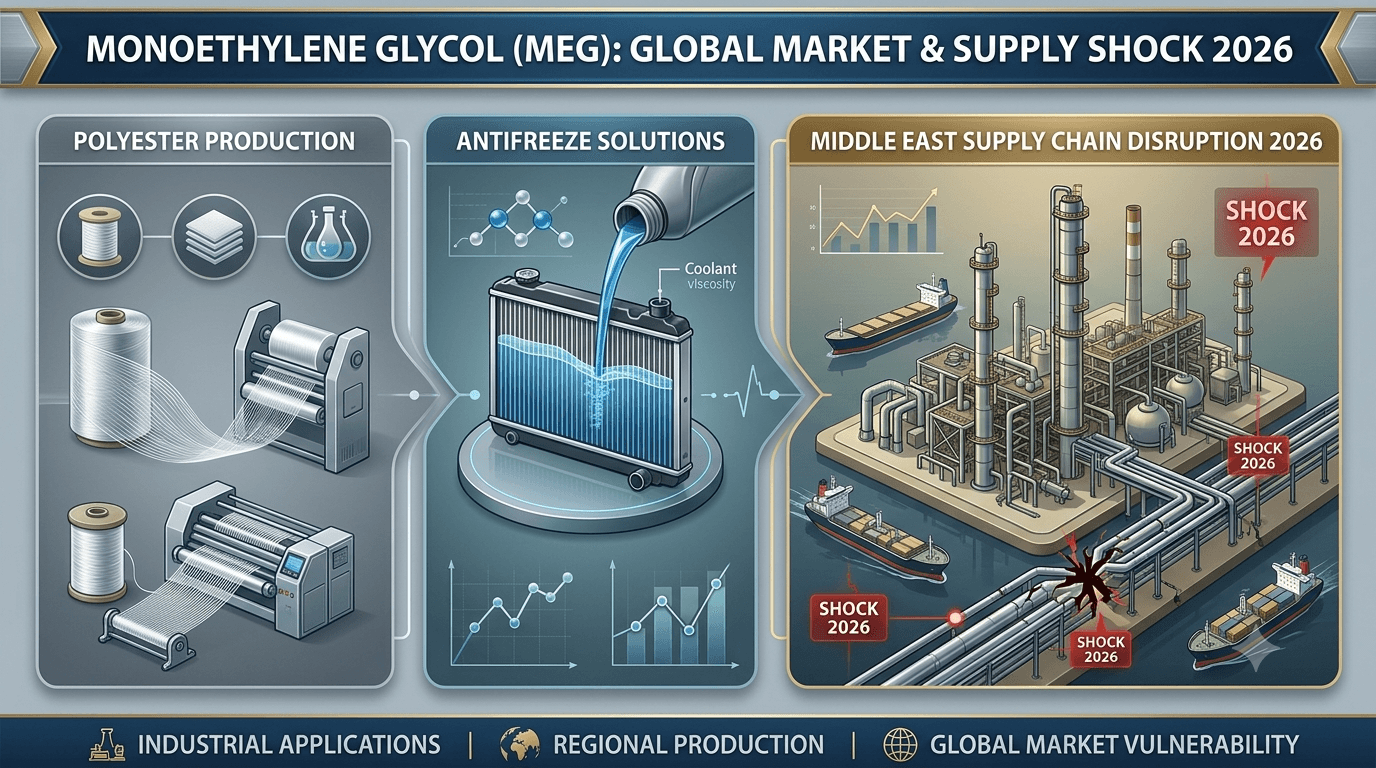
Monoethylene Glycol (MEG) is a key petrochemical produced from ethylene oxide, which itself is derived from ethylene. MEG is one of the most important raw materials in the polyester value chain and is widely consumed in PET resin, polyester fiber, polyester film, antifreeze formulations, and aircraft de-icing fluids.

Why MEG Matters
The majority of global MEG demand comes from polyester production:
PET bottles and food packaging
Polyester textile fibers
Polyester films
Automotive coolants and antifreeze
Aviation de-icing fluids
Because polyester manufacturing consumes large volumes of MEG alongside PTA (Purified Terephthalic Acid), even small disruptions in MEG supply can rapidly affect textile, packaging, and consumer goods markets.

The Middle East Supply Shock of 2026
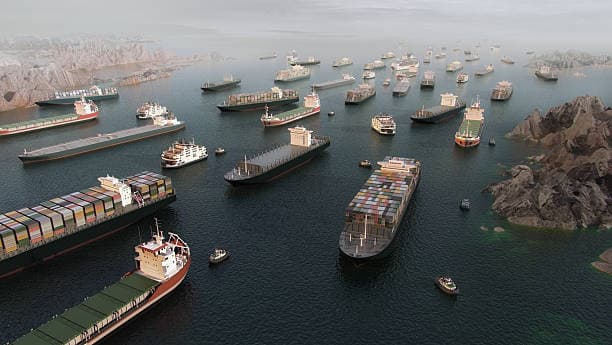
During Q1 2026, the MEG market experienced a sharp supply shock when multiple Gulf producers declared force majeure events while freight costs simultaneously surged due to disruptions in Middle Eastern shipping routes and Red Sea logistics. Saudi Arabia, Iran, and Oman collectively represent a significant share of Asian MEG imports, making the region critical to global supply chains. Freight and insurance costs increased dramatically as shipping risks escalated across the Gulf and Strait of Hormuz region. (U.S. Energy Information Administration)
As a result:
MEG CFR India prices repriced almost overnight.
Buyers rushed to secure cargoes.
Polyester producers faced rising feedstock costs.
Regional supply chains became increasingly volatile.
Regional Market Impact
India
India remains heavily dependent on imported MEG. The disruption in Gulf exports and higher freight rates immediately increased landed costs for Indian buyers, squeezing polyester margins and raising concerns about feedstock security. (ICIS Explore)
China
China's large domestic MEG production base provided partial protection from international supply disruptions. Although Chinese producers still faced higher logistics and energy costs, local production reduced reliance on imported Gulf material and helped stabilize domestic polyester manufacturing. (S&P Global)

United States
The US market was less exposed to Middle Eastern supply disruptions due to substantial domestic production capacity. During March 2026, US MEG prices reached approximately USD 440/MT, supported by steady demand from polyester, packaging, and industrial applications. (IMARC Group)
Freight and Logistics Pressure
The MEG supply shock was amplified by transportation costs rather than production losses alone. Shipping disruptions in the Middle East pushed tanker rates to record levels, increased insurance premiums, and created vessel shortages across major petrochemical trade routes. These factors significantly increased the delivered cost of MEG into Asia. (U.S. Energy Information Administration)
Growing Demand Beyond Polyester
Although polyester remains the dominant end-use sector, MEG consumption is also expanding in:
Automotive antifreeze and engine coolants
Commercial transportation fluids
Aircraft de-icing formulations
Industrial heat-transfer systems
Growth in aviation activity and vehicle production is creating additional demand streams for MEG, strengthening long-term market fundamentals.

Outlook
The 2026 Middle East supply shock highlighted the vulnerability of global MEG markets to geopolitical and logistics disruptions. While China benefited from domestic production capacity, import-dependent regions such as India remained highly exposed. Future MEG pricing is expected to remain sensitive to Gulf production outages, shipping conditions, freight rates, and polyester demand trends across Asia.