
Related Insights
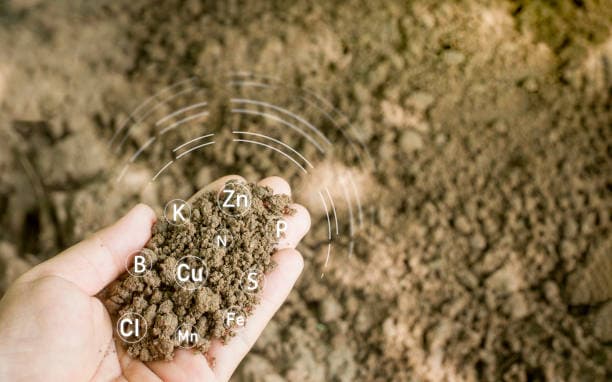
EPA's New PFAS Guidance: Impact on Biosolids, Fertilizer, and the Food Chain
The EPA’s updated PFAS guidance reshapes how farmers use biosolids and fertilizers, influencing crop inputs and the broader food ingredient supply chain. Learn what it means for compliance, sourcing, and consumer safety.

Retailer Dye Removal Pledges: What 2026‑2027 Deadlines Mean for Food Manufacturers
Retailers are tightening their standards on synthetic food dyes, setting 2026‑2027 deadlines that force manufacturers to reexamine ingredient sourcing and reformulation strategies. The shift toward natural colorants and clean‑label compliance reshapes product development, cost structures, and supply chains. This article breaks down the commitments, impacts, and practical steps for food companies.

CSRD and Chemical Supply Chain Due Diligence: How Ownership Transfers Affect Scope 3 Data
Supplier ownership changes can create unexpected challenges for Scope 3 emissions reporting under the Corporate Sustainability Reporting Directive. This guide explains how procurement and sustainability teams should manage supplier data continuity following ownership transfers.
PFAS EPA Hearings One Week Away: Commercial Stakes for Specialty Chemical Formulators
The upcoming EPA PFAS hearings could reshape sourcing decisions for specialty chemical formulators across the United States. Procurement teams should prepare for changing compliance requirements, evolving customer expectations and a more complex regulatory landscape.

Force Majeure Wind-Down in H1 2026: Legal and Commercial Reset for Chemical Supply Contracts
Force majeure declarations triggered by the Hormuz crisis are now entering a structured wind-down phase across chemical supply chains. Procurement and legal teams must formalise documentation to avoid pricing disputes, liability gaps and contract ambiguity in H2 2026.
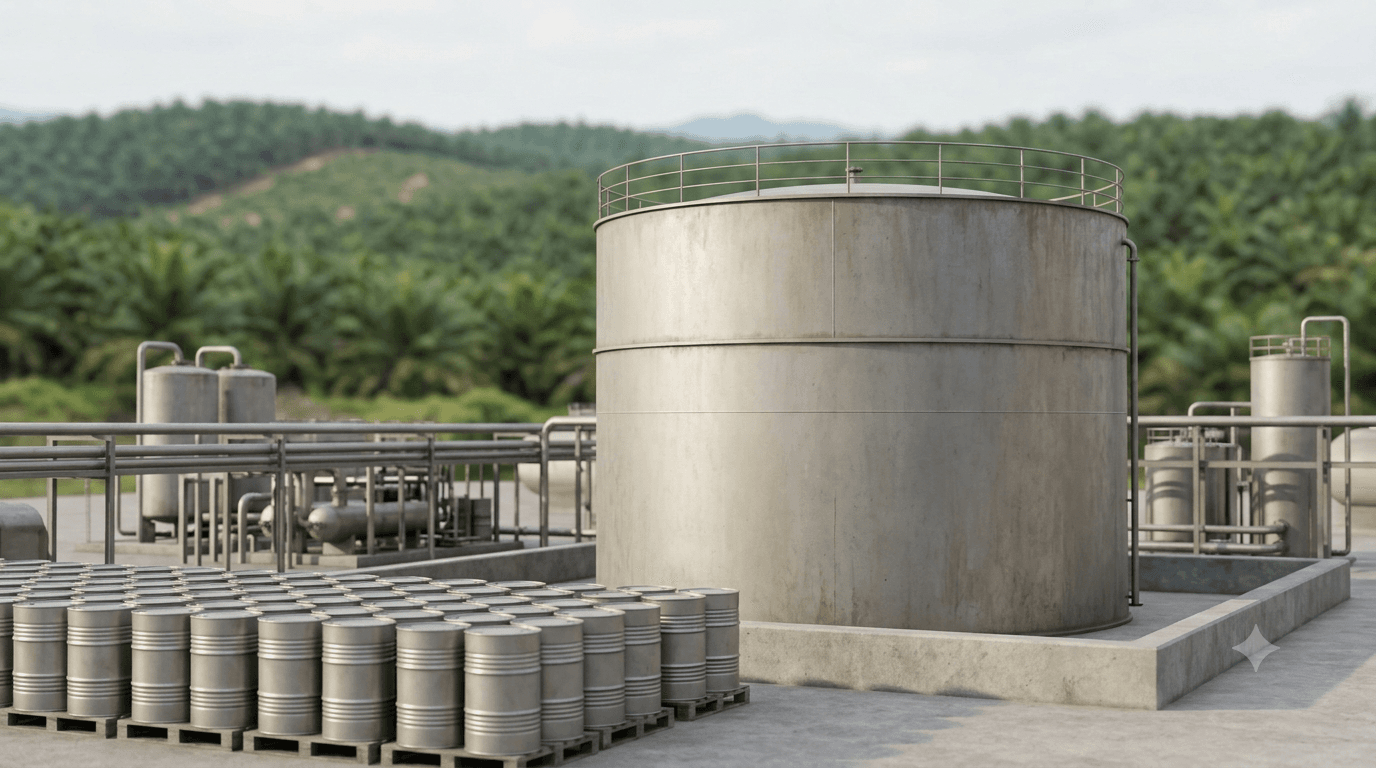
EUDR Enforcement After June 30: What Palm Chemical Buyers Must Do in Early July 2026
After full enforcement of the EU Deforestation‑Free Products Regulation on July 1, 2026, palm‑derived chemical buyers must prove their supply chains are deforestation‑free. This article outlines the key compliance steps for fatty acids, glycerin, oleic acid and CAPB precursors sourced from Indonesia and Malaysia. Learn how to audit, document and secure your EU market access today.
Don't miss out on our updates! Subscribe to our newsletter now
We're committed to your privacy. Tradeasia uses the information you provide to us to contact you about our relevant content, products, and services. For more information, check out our privacy policy.