
Related Insights
Global Chemical Production: What Lower 2025 Results Across Major Chemical Companies Mean for Buyers
Most major chemical companies reported weaker sales and earnings during 2025, with DuPont standing out as a notable exception. Procurement teams should understand what these financial results reveal about demand, pricing and the future direction of the global chemical industry.

Using the Kiel Institute to Separate Temporary Hormuz Costs from Permanent Chemical Procurement Shifts
After the Hormuz shutdown, chemical buyers face a mix of temporary price spikes and lasting market shifts. This article applies the Kiel Institute framework to isolate recoverable costs from permanent baseline changes, providing a roadmap for data‑driven contract renegotiations. Implementing these insights helps teams win back margins as conditions normalize.
Strait of Hormuz Supply Risk: What Chemical Buyers Should Do Amid Iran Talks Uncertainty
Conflicting statements about Iran negotiations create uncertainty for global chemical procurement teams. The latest Strait of Hormuz supply signals show why buyers should rely on verified logistics data instead of political headlines.

Top 5 Chemical Market Intelligence Platforms: What Procurement Professionals Are Using in 2026
The 2026 Hormuz crisis transformed chemical procurement into an intelligence-driven function. Platforms like ICIS, Kpler, Xeneta, and ChemAnalyst are now essential tools helping procurement teams track prices, shipping disruption, freight rates, and supply risk in real time.
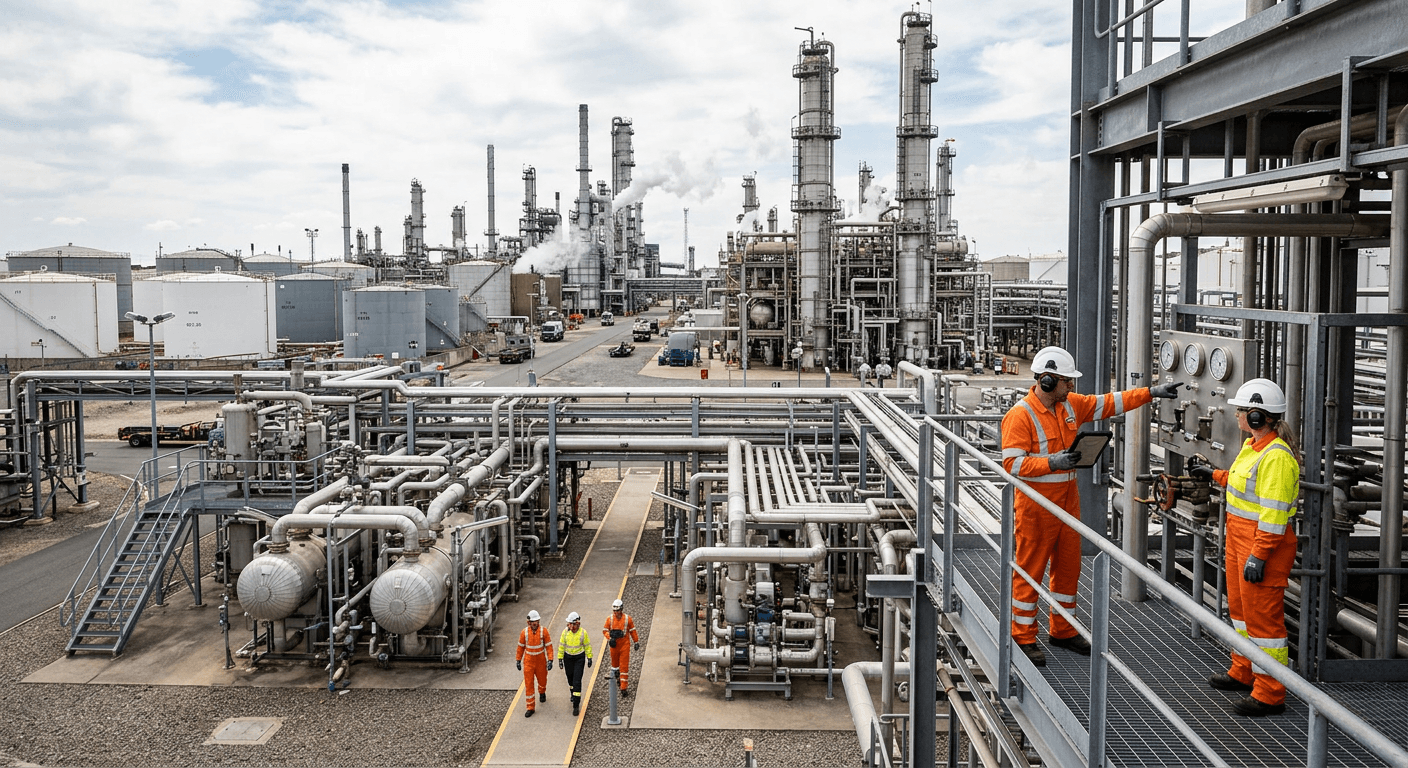
Commodity Chemical Procurement Intelligence Week of June 29, 2026: Ten Market Signals Buyers Must Track
Chemical buyers are facing one of the most complex procurement environments of 2026 as energy prices fall, Gulf supply recovers and geopolitical risks remain elevated. This weekly briefing highlights the critical signals shaping commodity chemical sourcing decisions.

Sustainability and the Hormuz Crisis: Five Permanent Chemical Supply Chain Shifts for 2026 and Beyond
The 2026 Hormuz crisis has reshaped chemical logistics and sustainability metrics across global supply chains. From emissions accounting changes to sourcing diversification and ammonia project delays, procurement teams now face structural shifts that will persist beyond the immediate disruption.
Don't miss out on our updates! Subscribe to our newsletter now
We're committed to your privacy. Tradeasia uses the information you provide to us to contact you about our relevant content, products, and services. For more information, check out our privacy policy.