
Methanol CAS: 67-56-1

Methanol CAS: 67-56-1
The first half of 2026 reshaped pharmaceutical chemical procurement through supply chain disruptions, rising logistics costs, GLP-1 manufacturing expansion, and evolving regulatory requirements. Here are the key intelligence insights and procurement priorities for H2 2026.

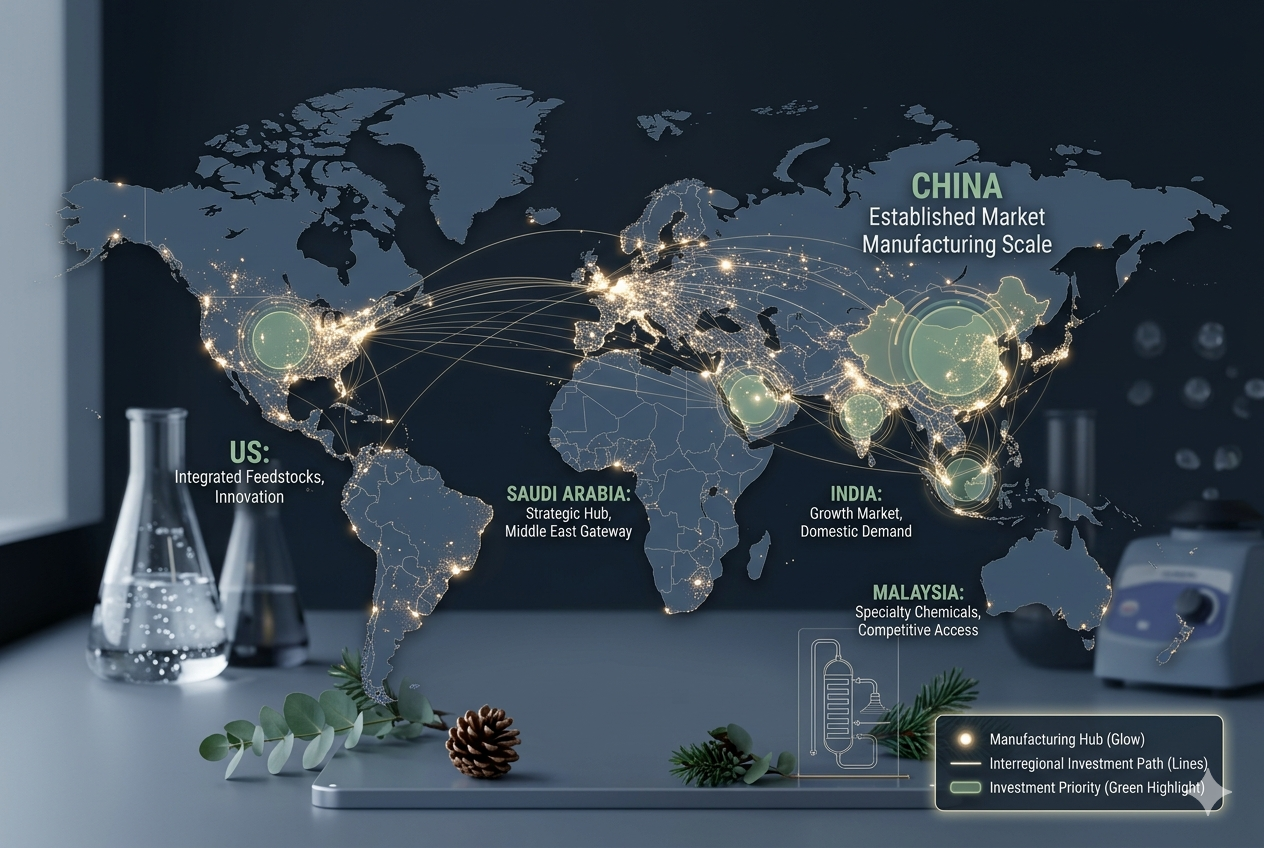
Pakistan's chemical market is gradually stabilizing as Gulf exports recover and freight costs improve. While landed prices for key chemicals are easing, buyers must continue managing foreign exchange constraints and secure payment structures during the July–September procurement window.
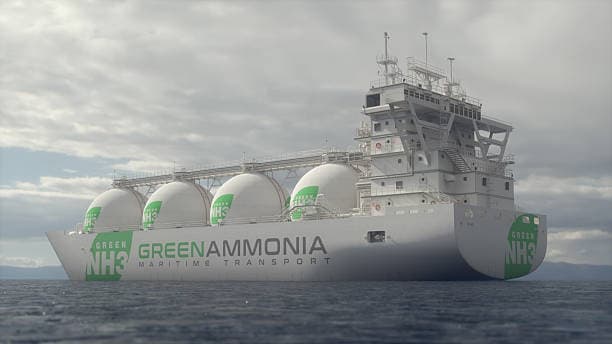
The Gulf’s ambitious green ammonia projects are facing a shift in timelines, with Saudi Arabia, UAE and Oman moving first commercial deliveries from 2026 to 2027–2028. This delay impacts offtake agreements, market expectations and the broader decarbonisation strategy across the region. TradeAsia explores the implications for investors and industry stakeholders.
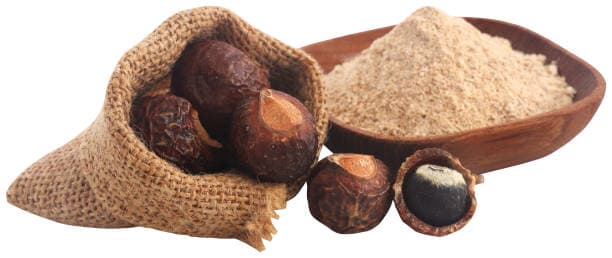
As Q4 2026 approaches, major sophorolipid and rhamnolipid producers are nearing meaningful production capacity, positioning biosurfactants as viable sustainable surfactants for industry. TradeAsia explores supply readiness, market impact, and key supplier strategies.
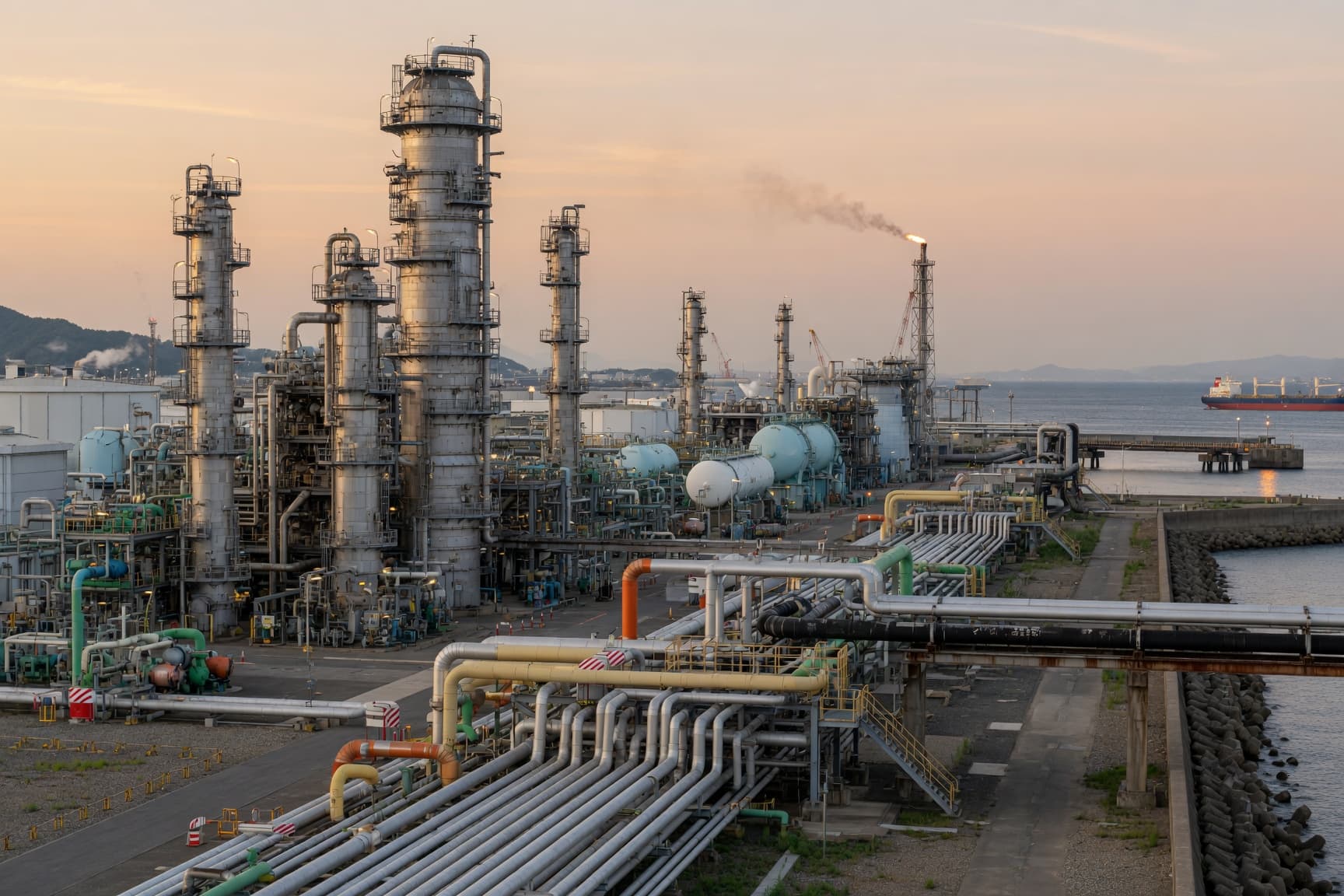
Japan’s petrochemical sector is facing major feedstock pressure as naphtha cracker utilization falls sharply after supply disruptions. Buyers and producers are increasingly evaluating bioethanol-based alternatives and circular economy strategies for future chemical production.
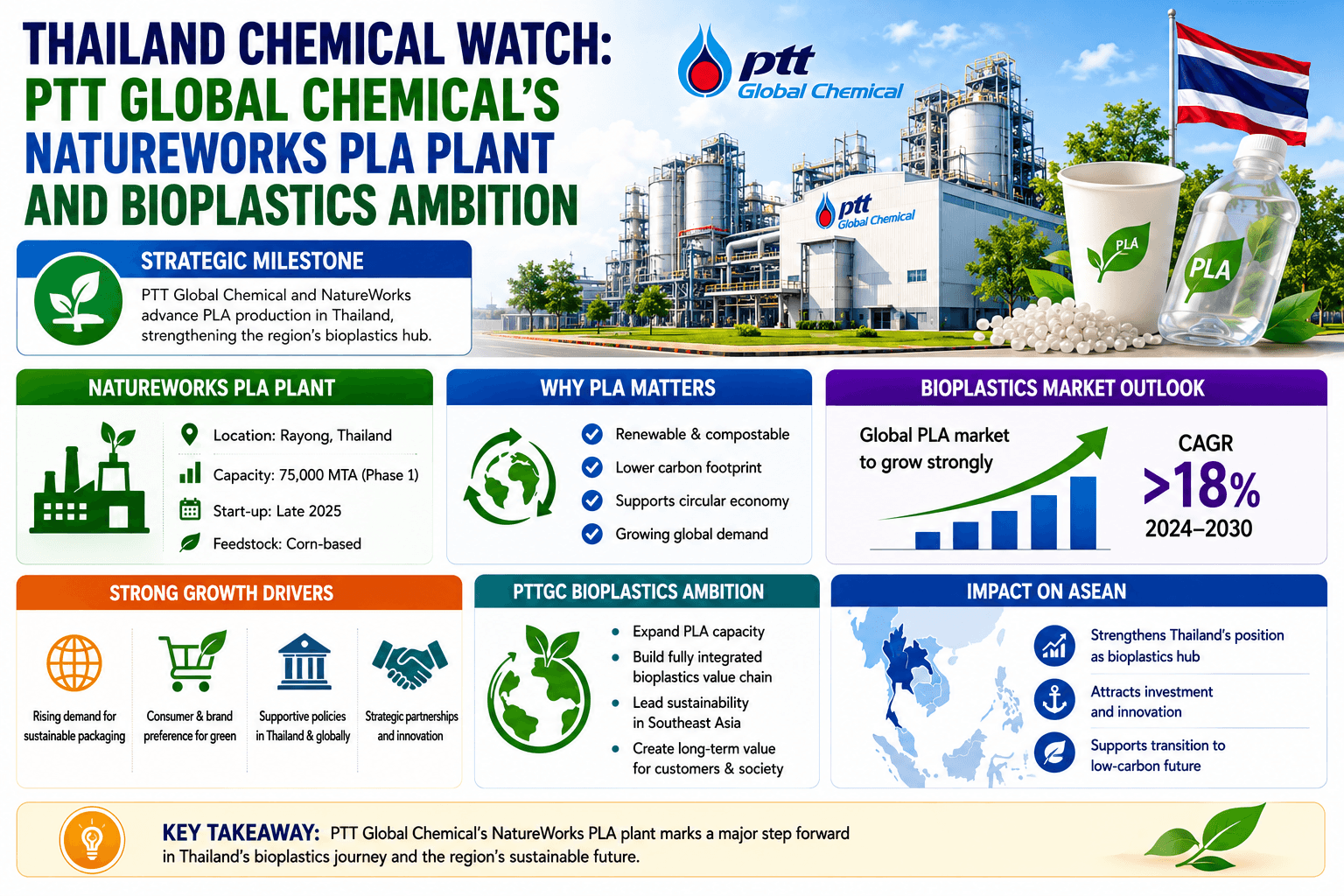
Thailand is accelerating its chemical industry transformation through domestic PLA bioplastics production and diversified US ethane sourcing. PTT Global Chemical’s latest investments signal Southeast Asia’s growing focus on sustainable materials and long-term feedstock security.
We're committed to your privacy. Tradeasia uses the information you provide to us to contact you about our relevant content, products, and services. For more information, check out our privacy policy.