


Deoiled Rice Bran
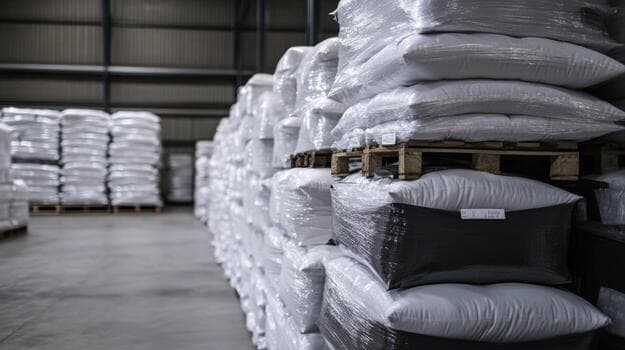
China's decision to delay phosphate exports until August, following earlier urea export restrictions, is influencing global fertilizer markets without formal trade bans. Procurement professionals should understand how export timing has become an increasingly important factor in supply chain planning.
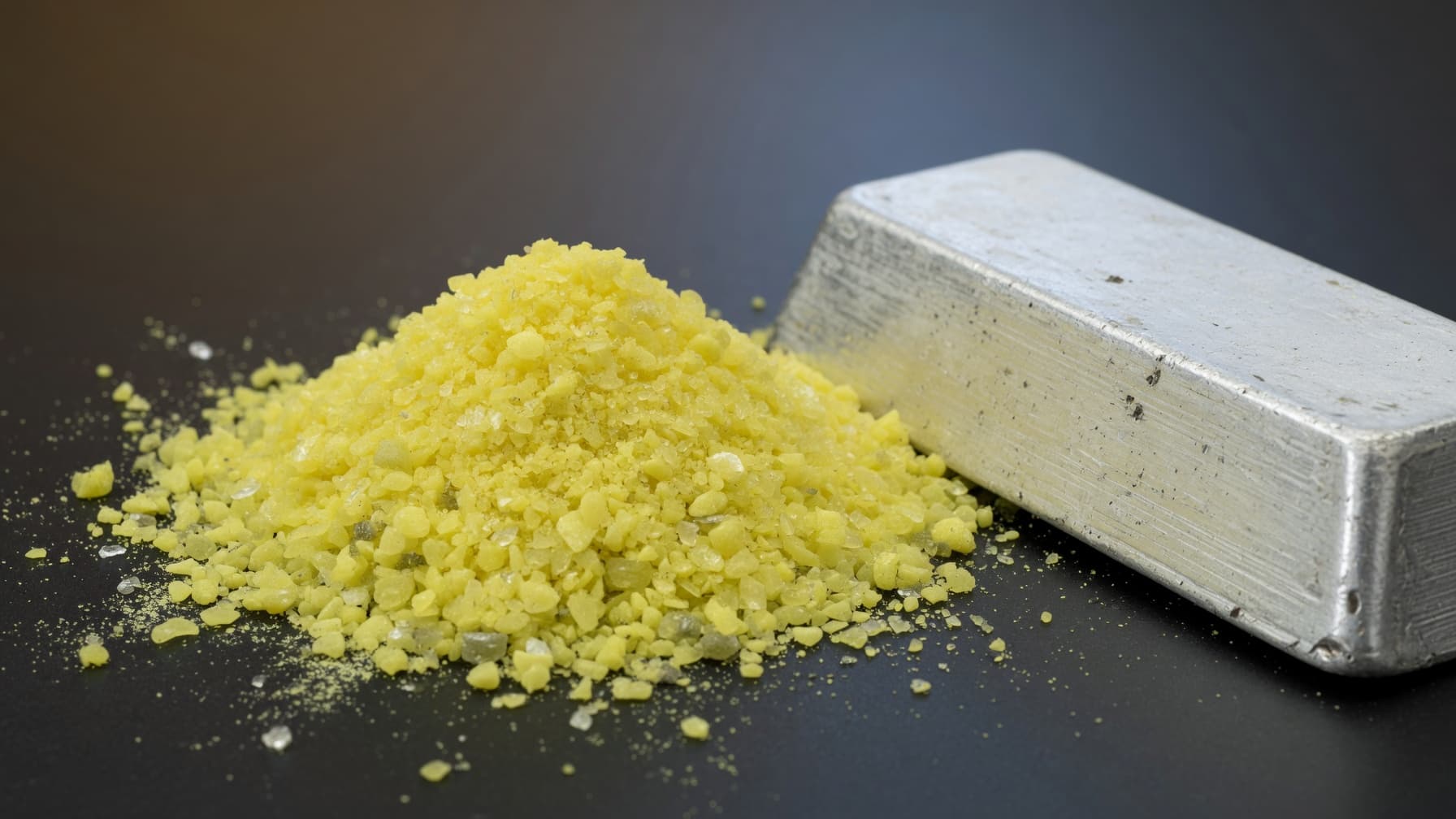
The Strait of Hormuz disruption extends beyond oil markets, affecting sulfur, aluminum, methanol and graphite that support global chemical manufacturing. Procurement teams should reassess sourcing strategies as industrial raw material risks continue to evolve.
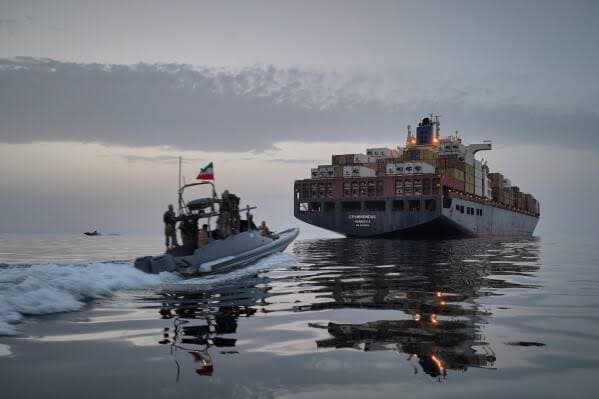
Kpler confirmed 34 vessel crossings through Hormuz on June 30, a sixfold increase over June’s average daily traffic. For chemical procurement professionals, the number signals the first meaningful Gulf supply recovery in months, but sustained movement over the next 48 hours will determine whether true normalization has begun.
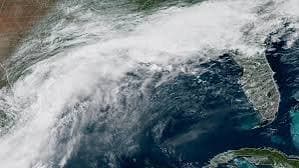
Tropical Storm Arthur’s July 1 Texas landfall is creating short-term supply chain risk for US food manufacturers dependent on Gulf Coast chemical production. Even temporary disruption at Eastman, Celanese, and regional logistics hubs could affect July deliveries of critical food-grade chemicals and processing aids.
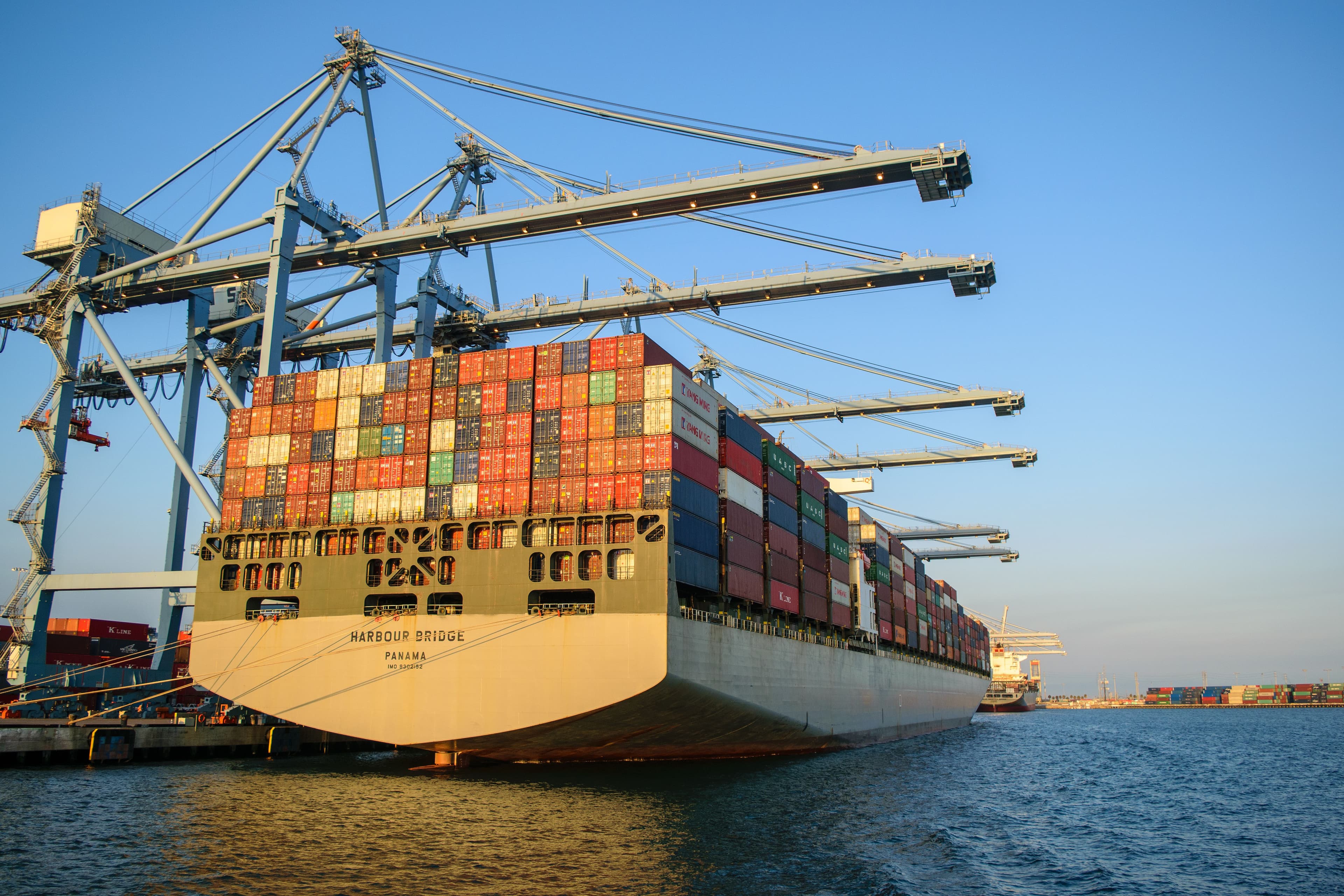
Methanol supply has remained active through recent Gulf disruptions, with AIS vessel tracking showing continued commercial movement. Buyers should separate headline risk from physical flow data when planning Q3 procurement.
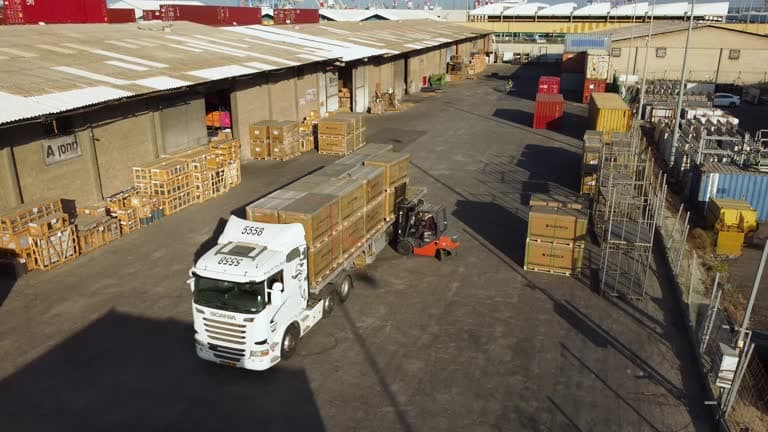
Three large DAP and MAP vessels have successfully transited the Strait of Hormuz, the longest‑held choke point in global fertilizer shipping. This milestone marks the first tangible evidence of a rebound in physical phosphate supplies after years of volatility. Industry analysts now see a clearer path toward balanced fertilizer markets.
We're committed to your privacy. Tradeasia uses the information you provide to us to contact you about our relevant content, products, and services. For more information, check out our privacy policy.