
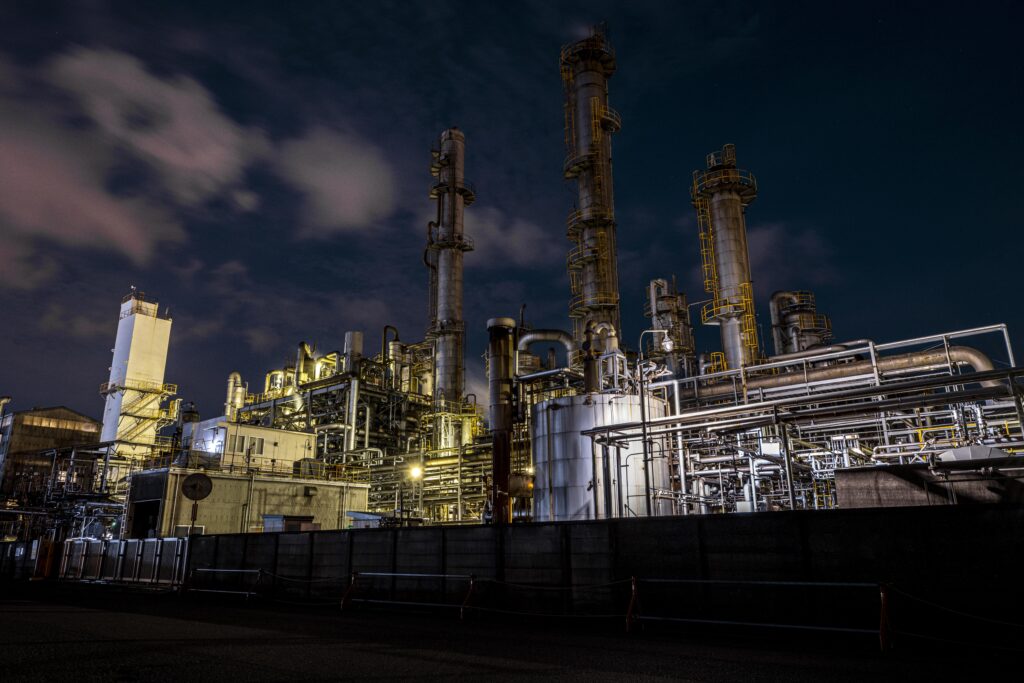
 According to Chief Financial Officer Shou Donghua, Sinopec, the largest refiner in the world by capacity, increased its refining profits in the first quarter by 17.5% year over year to $8.70 per barrel. With that increment, compared to the first three months of 2023, Sinopec Corp forecasts that China's demand for diesel and gasoline would increase in the second quarter.
Vice President Huang Wensheng informed the media and investors that China's apparent refined gasoline consumption had increased 6.7% year over year in the first quarter as the country's economy was rebounding after Beijing removed COVID regulations.
As per Reuters reports, Sinopec's first-quarter net income fell by 12% year over year as a result of lower global oil prices, according to company executives who spoke at the earnings briefing. However, improving refined margins, more gasoline sales, and higher natural gas prices helped to counterbalance this trend.
While domestic refined sales increased by 8.5% over the same period, Sinopec also profited from a lucrative export market, increasing fuel shipments by 112% year over year, according to Chief Financial Officer Shou. As Sinopec increased gasoline purchases from independent refiners by roughly 30%, Shou added, the company's domestic fuel sales increased in contrast to a 3% fall in its crude runs.
Due to western sanctions, China's independent refiners, often known as "teapots," have benefited in recent years from inexpensive crude oil from Iran, Venezuela, and more lately, Russia, oil dealers and analysts said.
Privately owned Jiangsu Shenghong Petrochemical and PetroChina's Guangdong Petrochemical, two recently opened refinery complexes, have added to the booming supplies of petrochemicals coming from mega-private refiner Zhejiang Petrochemical Corp and Hengli Petrochemical that began just a few years ago.
Vice President Huang stated without going into further detail that Sinopec, which also generates chemicals from coal and accounts for 10% of its chemicals sector, is moving forward with plans to invest in coal mines in Inner Mongolia, northern China.
References:
Chen AIzhu. 2023. Reuters: Sinopec sees China's fuel demand recovery gaining momentum. Retrieved from https://www.reuters.com/business/energy/sinopec-sees-chinas-q2-refined-fuel-demand-recovering-more-than-q1-2023-04-28/
Photo by freepik via https://www.freepik.com/
According to Chief Financial Officer Shou Donghua, Sinopec, the largest refiner in the world by capacity, increased its refining profits in the first quarter by 17.5% year over year to $8.70 per barrel. With that increment, compared to the first three months of 2023, Sinopec Corp forecasts that China's demand for diesel and gasoline would increase in the second quarter.
Vice President Huang Wensheng informed the media and investors that China's apparent refined gasoline consumption had increased 6.7% year over year in the first quarter as the country's economy was rebounding after Beijing removed COVID regulations.
As per Reuters reports, Sinopec's first-quarter net income fell by 12% year over year as a result of lower global oil prices, according to company executives who spoke at the earnings briefing. However, improving refined margins, more gasoline sales, and higher natural gas prices helped to counterbalance this trend.
While domestic refined sales increased by 8.5% over the same period, Sinopec also profited from a lucrative export market, increasing fuel shipments by 112% year over year, according to Chief Financial Officer Shou. As Sinopec increased gasoline purchases from independent refiners by roughly 30%, Shou added, the company's domestic fuel sales increased in contrast to a 3% fall in its crude runs.
Due to western sanctions, China's independent refiners, often known as "teapots," have benefited in recent years from inexpensive crude oil from Iran, Venezuela, and more lately, Russia, oil dealers and analysts said.
Privately owned Jiangsu Shenghong Petrochemical and PetroChina's Guangdong Petrochemical, two recently opened refinery complexes, have added to the booming supplies of petrochemicals coming from mega-private refiner Zhejiang Petrochemical Corp and Hengli Petrochemical that began just a few years ago.
Vice President Huang stated without going into further detail that Sinopec, which also generates chemicals from coal and accounts for 10% of its chemicals sector, is moving forward with plans to invest in coal mines in Inner Mongolia, northern China.
References:
Chen AIzhu. 2023. Reuters: Sinopec sees China's fuel demand recovery gaining momentum. Retrieved from https://www.reuters.com/business/energy/sinopec-sees-chinas-q2-refined-fuel-demand-recovering-more-than-q1-2023-04-28/
Photo by freepik via https://www.freepik.com/Sinopec Expects China's Fuel Demand Recovery to Pick Up Steam
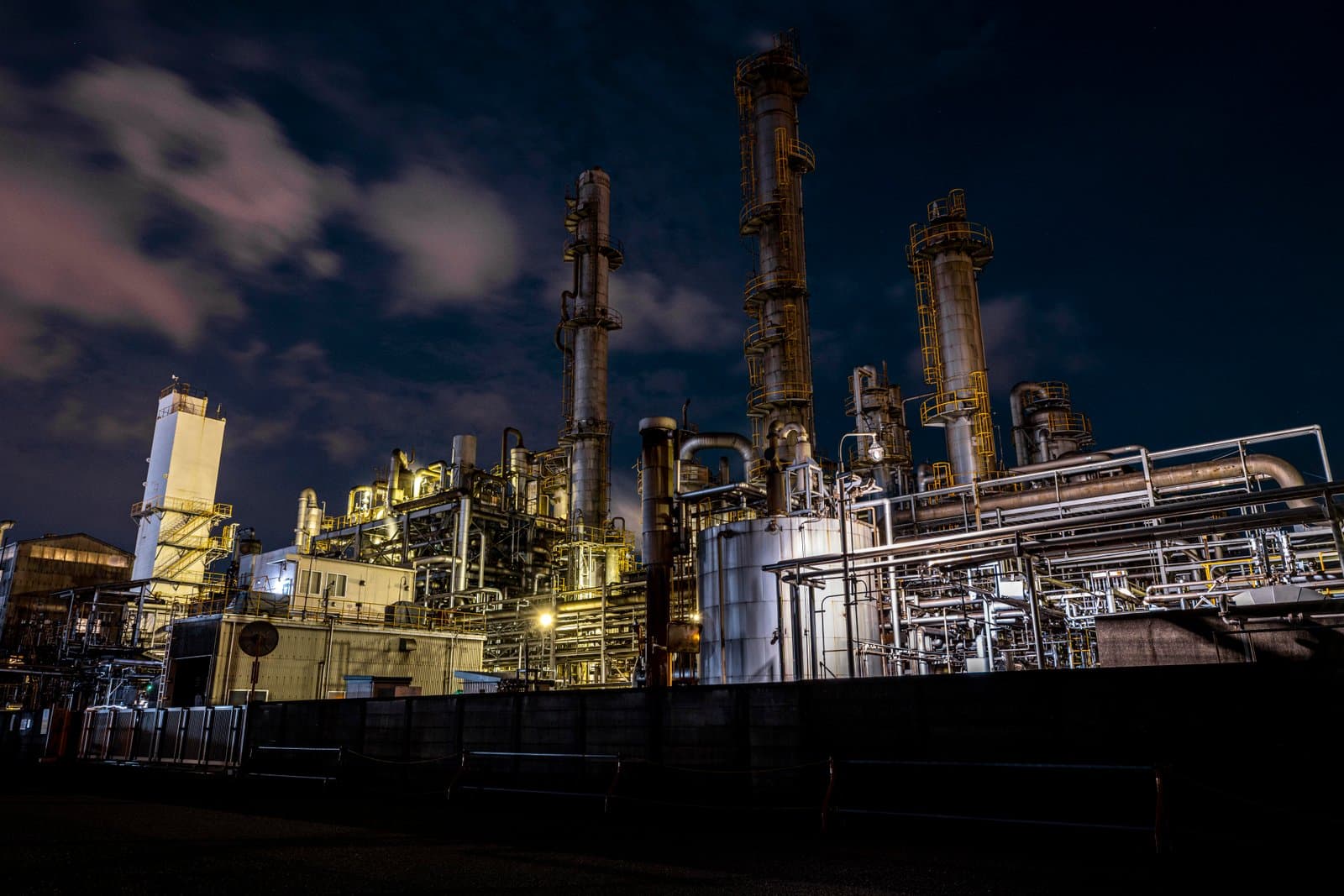 According to Chief Financial Officer Shou Donghua, Sinopec, the largest refiner in the world by capacity, increased its refining profits in the first quarter by 17.5% year over year to $8.70 per barrel. With that increment, compared to the first three months of 2023, Sinopec Corp forecasts that China's demand for diesel and gasoline would increase in the second quarter.
Vice President Huang Wensheng informed the media and investors that China's apparent refined gasoline consumption had increased 6.7% year over year in the first quarter as the country's economy was rebounding after Beijing removed COVID regulations.
As per Reuters reports, Sinopec's first-quarter net income fell by 12% year over year as a result of lower global oil prices, according to company executives who spoke at the earnings briefing. However, improving refined margins, more gasoline sales, and higher natural gas prices helped to counterbalance this trend.
While domestic refined sales increased by 8.5% over the same period, Sinopec also profited from a lucrative export market, increasing fuel shipments by 112% year over year, according to Chief Financial Officer Shou. As Sinopec increased gasoline purchases from independent refiners by roughly 30%, Shou added, the company's domestic fuel sales increased in contrast to a 3% fall in its crude runs.
Due to western sanctions, China's independent refiners, often known as "teapots," have benefited in recent years from inexpensive crude oil from Iran, Venezuela, and more lately, Russia, oil dealers and analysts said.
Privately owned Jiangsu Shenghong Petrochemical and PetroChina's Guangdong Petrochemical, two recently opened refinery complexes, have added to the booming supplies of petrochemicals coming from mega-private refiner Zhejiang Petrochemical Corp and Hengli Petrochemical that began just a few years ago.
Vice President Huang stated without going into further detail that Sinopec, which also generates chemicals from coal and accounts for 10% of its chemicals sector, is moving forward with plans to invest in coal mines in Inner Mongolia, northern China.
References:
Chen AIzhu. 2023. Reuters: Sinopec sees China's fuel demand recovery gaining momentum. Retrieved from https://www.reuters.com/business/energy/sinopec-sees-chinas-q2-refined-fuel-demand-recovering-more-than-q1-2023-04-28/
Photo by freepik via https://www.freepik.com/
According to Chief Financial Officer Shou Donghua, Sinopec, the largest refiner in the world by capacity, increased its refining profits in the first quarter by 17.5% year over year to $8.70 per barrel. With that increment, compared to the first three months of 2023, Sinopec Corp forecasts that China's demand for diesel and gasoline would increase in the second quarter.
Vice President Huang Wensheng informed the media and investors that China's apparent refined gasoline consumption had increased 6.7% year over year in the first quarter as the country's economy was rebounding after Beijing removed COVID regulations.
As per Reuters reports, Sinopec's first-quarter net income fell by 12% year over year as a result of lower global oil prices, according to company executives who spoke at the earnings briefing. However, improving refined margins, more gasoline sales, and higher natural gas prices helped to counterbalance this trend.
While domestic refined sales increased by 8.5% over the same period, Sinopec also profited from a lucrative export market, increasing fuel shipments by 112% year over year, according to Chief Financial Officer Shou. As Sinopec increased gasoline purchases from independent refiners by roughly 30%, Shou added, the company's domestic fuel sales increased in contrast to a 3% fall in its crude runs.
Due to western sanctions, China's independent refiners, often known as "teapots," have benefited in recent years from inexpensive crude oil from Iran, Venezuela, and more lately, Russia, oil dealers and analysts said.
Privately owned Jiangsu Shenghong Petrochemical and PetroChina's Guangdong Petrochemical, two recently opened refinery complexes, have added to the booming supplies of petrochemicals coming from mega-private refiner Zhejiang Petrochemical Corp and Hengli Petrochemical that began just a few years ago.
Vice President Huang stated without going into further detail that Sinopec, which also generates chemicals from coal and accounts for 10% of its chemicals sector, is moving forward with plans to invest in coal mines in Inner Mongolia, northern China.
References:
Chen AIzhu. 2023. Reuters: Sinopec sees China's fuel demand recovery gaining momentum. Retrieved from https://www.reuters.com/business/energy/sinopec-sees-chinas-q2-refined-fuel-demand-recovering-more-than-q1-2023-04-28/
Photo by freepik via https://www.freepik.com/Related Insights
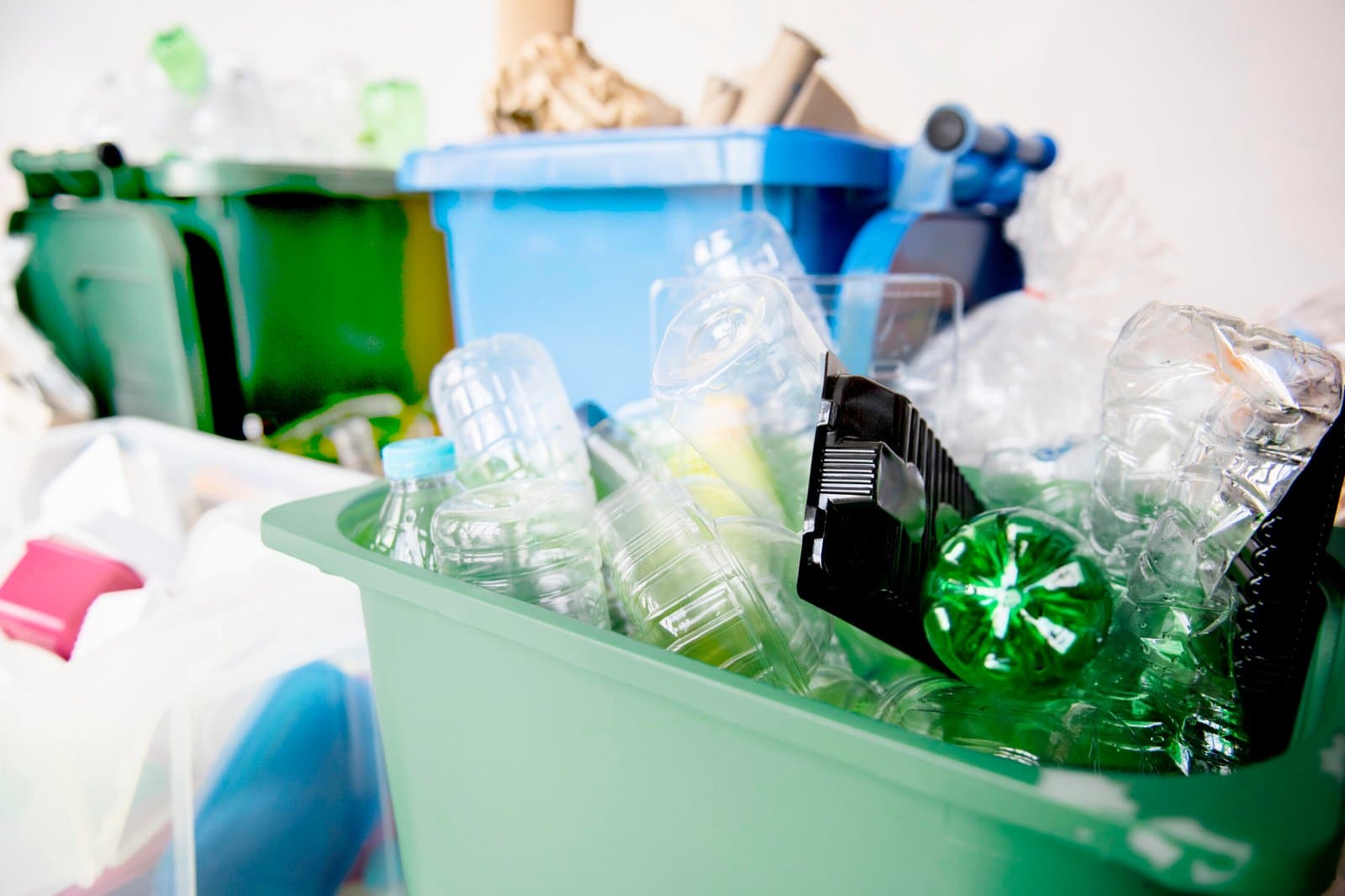
Bioplastics in the Spotlight: Brands Cautious Amid Biodiversity and Recycling Concerns
According to trade group European Bioplastics, the capacity to produce bioplastics globally is expected to increase from roughly 2.23 million tonnes in 2022 to about 6.3 million tonnes in 2027. Numerous firms are now considering bio-based solutions in response to consumer concerns about plastic poll

Baltic Dry Index Drops to Two-Week Low, Straining Bulk Shipping
The Baltic Dry Index slipped to a two‑week low, signaling a slowdown in bulk shipping demand across key commodity fentices. Analysts link the dip to softening steel and grain markets, while chemical logistics firms report rising freight costs. This article examines the underlying forces and what they mean for the dry bulk sector.
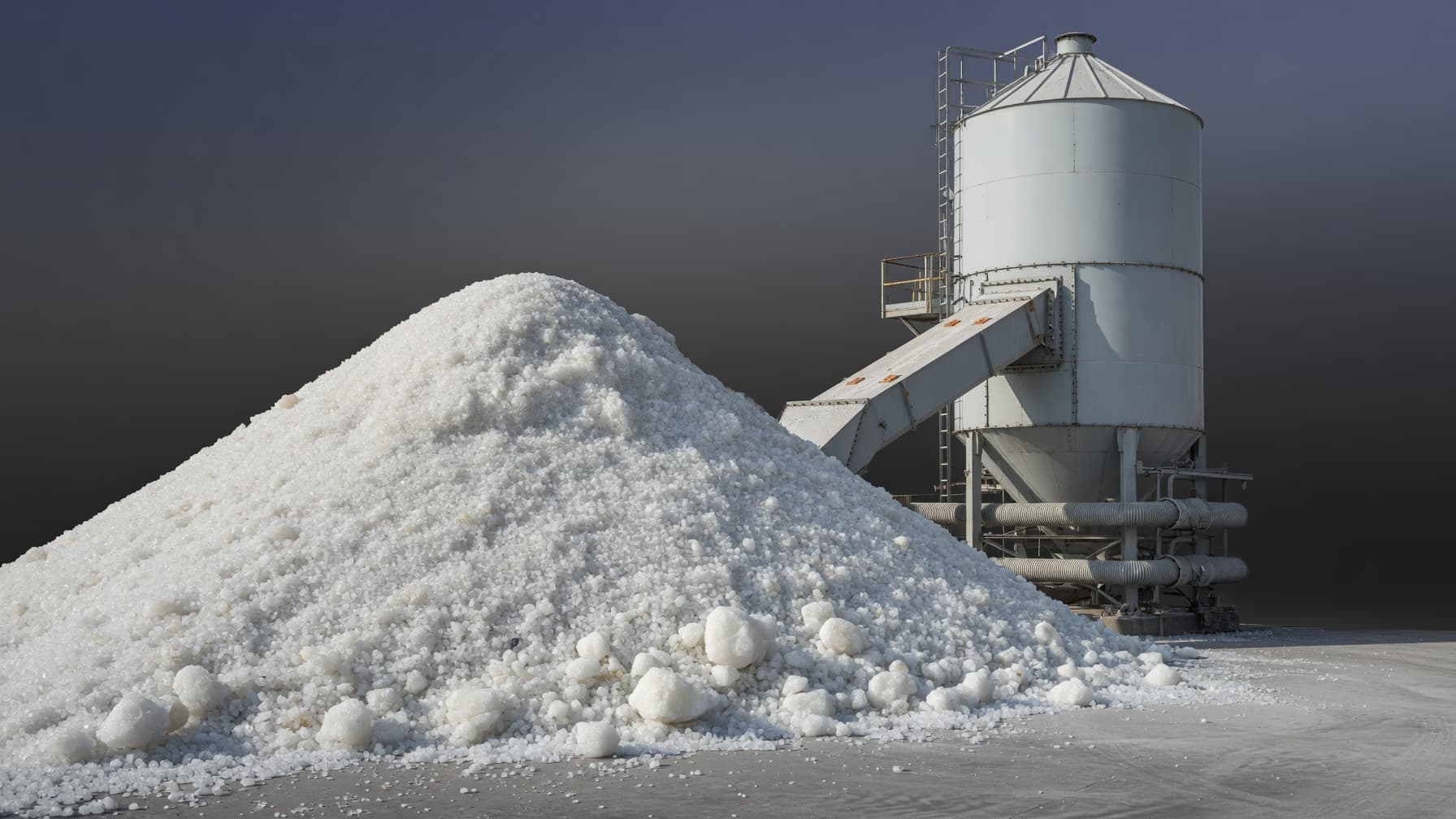
Solvay and Searles Valley Cut Soda Ash Capacity: What a Two-Continent Production Retreat Means for Buyers
Capacity reductions by Solvay in Europe and Searles Valley Minerals in California highlight structural changes in the global soda ash market. Procurement teams should understand how supply rationalization could influence pricing, investment and long-term sourcing strategies.
Germany's Chemical Capacity Utilization Stuck at 75.1%: What VCI's Unprofitable Threshold Means for Buyers
German chemical capacity utilization improved slightly to 75.1% but remains below the level needed for profitable production. With VCI expecting output to fall again across 2026, procurement teams should prepare for restructuring, reduced local availability and greater import dependence.
Benzene-Styrene Chain Under Pressure: How Weak Automotive and Construction Demand Is Reshaping Asia's Market in 2026
The benzene-styrene chain across Asia continues to face demand challenges as automotive production and construction activity remain subdued. While styrene prices in India have stabilized, regional buyers and traders must navigate a market defined by cautious purchasing, shifting trade flows and uncertain downstream recovery.
Polypropylene Market Tightens as Asian PDH Units Increase LPG Demand and Propylene Supply Shrinks
The polypropylene market is entering a new phase of supply pressure as Asian PDH units increase LPG consumption while propylene availability tightens. Rising PP resin prices in China and uncertainty around Indian import policies are creating fresh challenges for buyers across the region.
Don't miss out on our updates! Subscribe to our newsletter now
We're committed to your privacy. Tradeasia uses the information you provide to us to contact you about our relevant content, products, and services. For more information, check out our privacy policy.