

Sorbitol Liquid (E420(ii)) CAS: 50-70-4

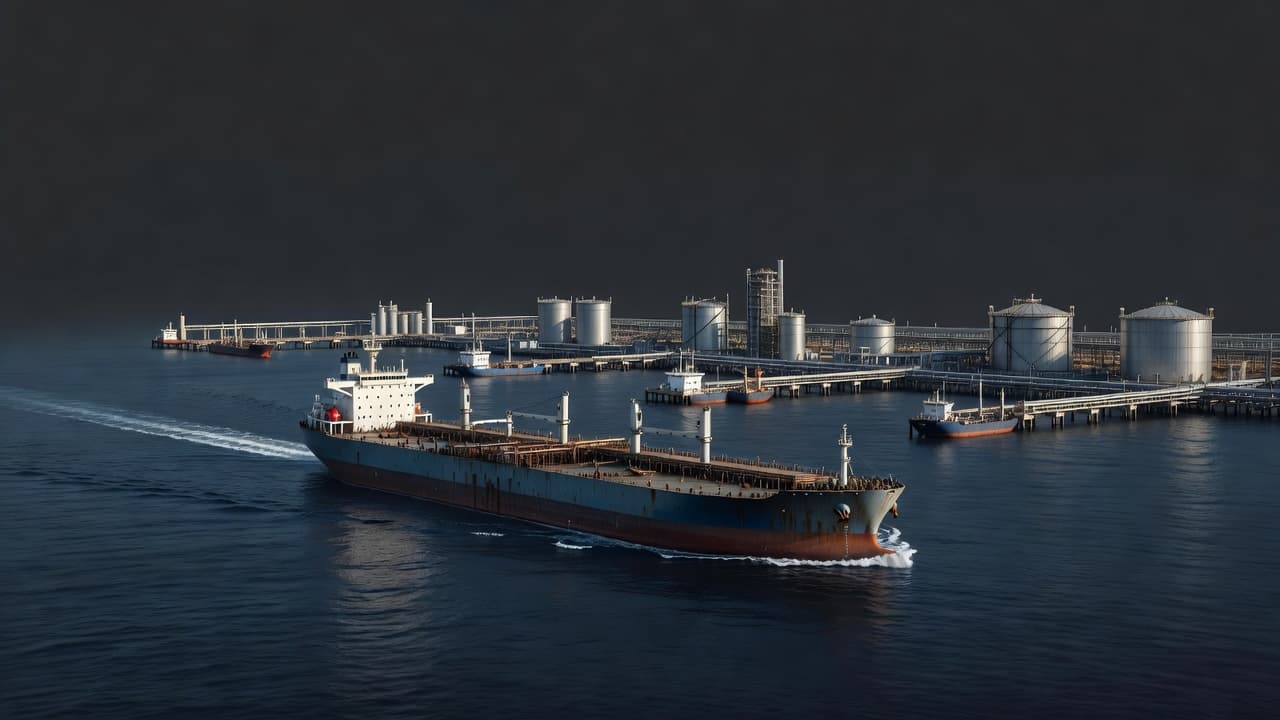
Recent comments from Energy Secretary Wright indicating that Hormuz tolls are no longer under consideration have introduced a new policy signal for global energy and chemical markets. Procurement and compliance teams should understand how changing policy direction can influence logistics planning, freight costs and sourcing strategies.

Despite volatile monoethanolamine and ethylene oxide markets, taurine supply remains resilient. Chinese producers are offsetting feedstock pressures, offering stability for H2 2026. Supplement makers must reassess sourcing strategies to secure this dependable supply.
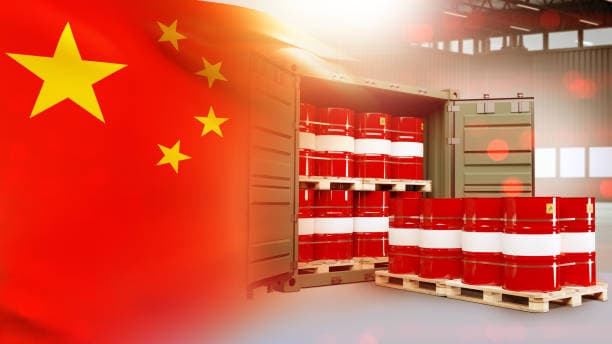
China’s urea export limits and aggressive methanol-to-olefins (MTO) rates set the stage for 2026 chemical flows. July pricing decisions will reveal whether China will defend its crisis‑era share or recalibrate toward market balance. Global buyers must watch China’s export strategy closely.
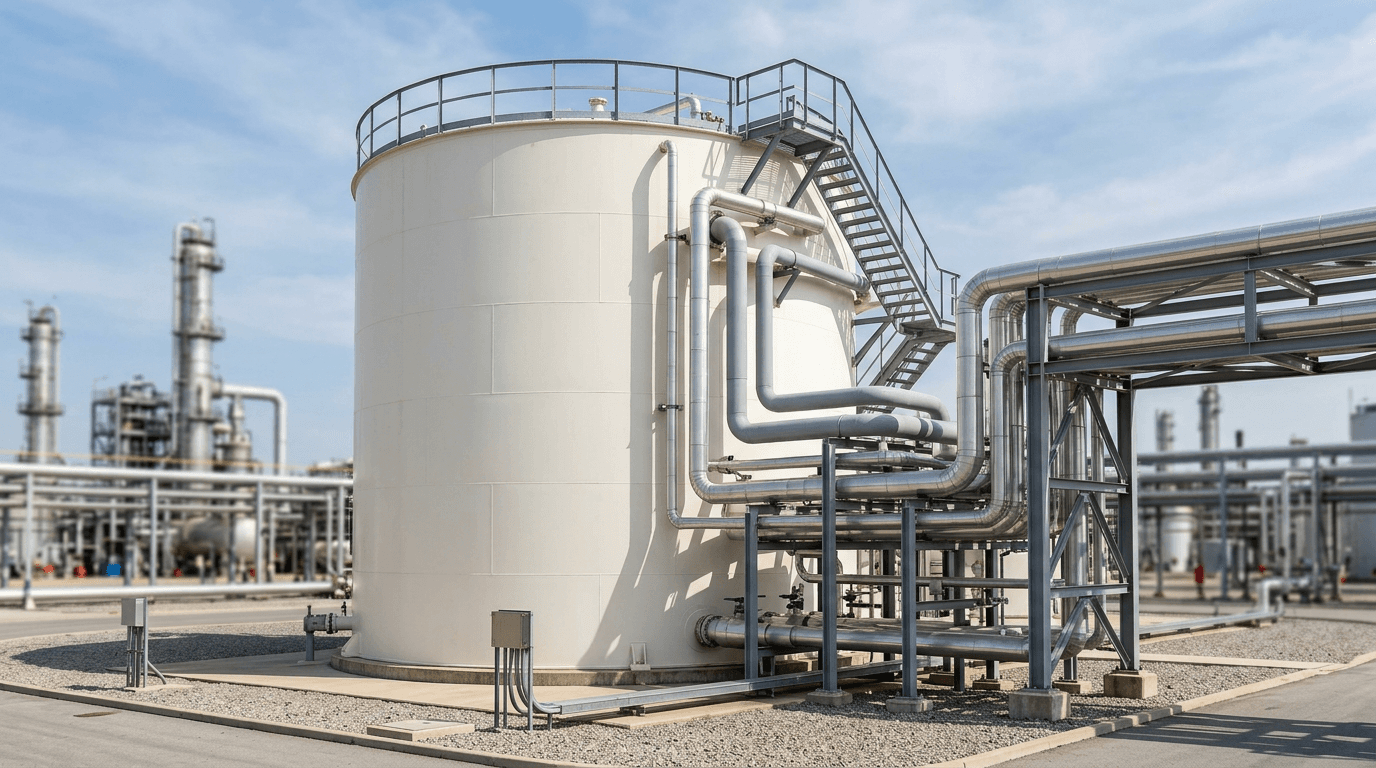
Conflicting statements about Iran negotiations create uncertainty for global chemical procurement teams. The latest Strait of Hormuz supply signals show why buyers should rely on verified logistics data instead of political headlines.
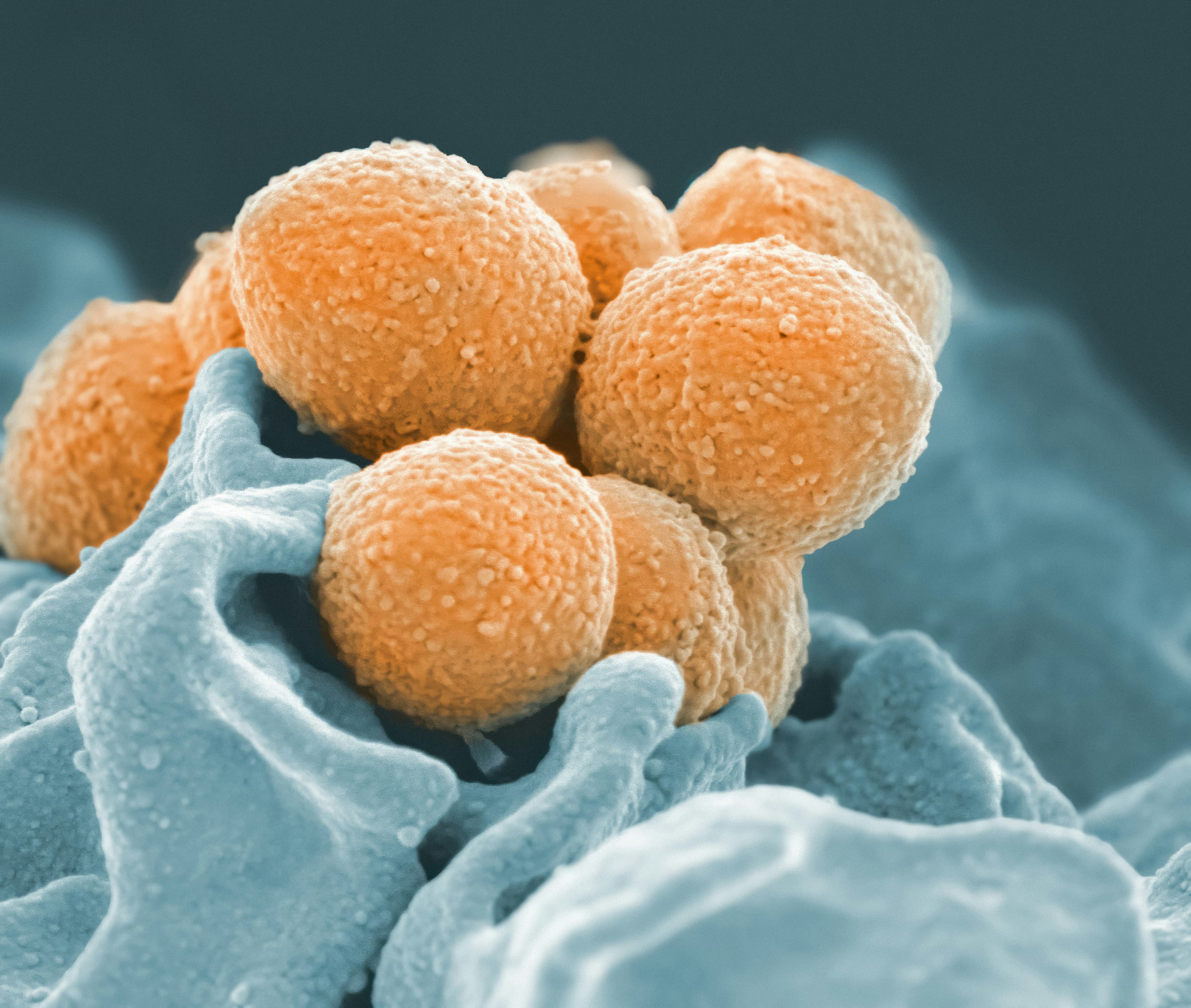
The biologics supply chain remained resilient through H1 2026 despite higher logistics costs. As heparin production stays concentrated and biologics demand grows, procurement teams should focus on diversification, quality assurance, and long-term supplier partnerships.

Thai sorbitol production is tightening as the annual tapioca feedstock gap reduces output, while Chinese suppliers continue operating at stable capacity with competitive export pricing. Procurement teams planning H2 2026 purchases have a valuable opportunity to lock in improved delivered costs before seasonal market dynamics shift again.
We're committed to your privacy. Tradeasia uses the information you provide to us to contact you about our relevant content, products, and services. For more information, check out our privacy policy.