
Related Insights
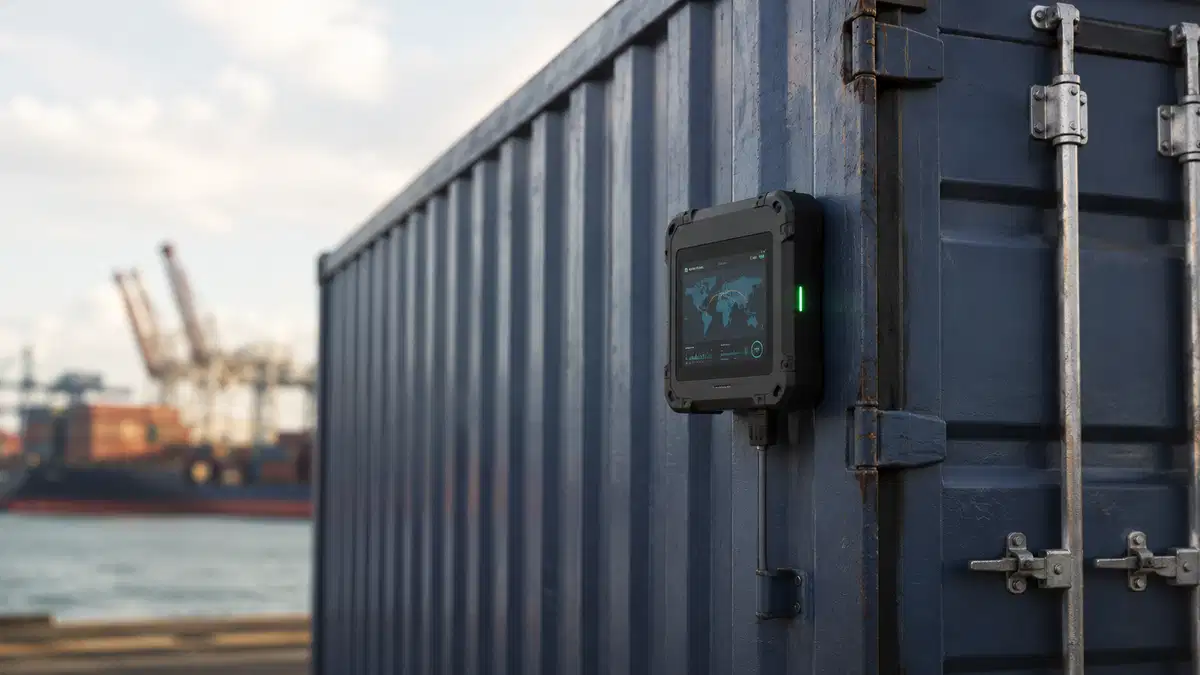
Food Ingredient Supply Chain Technology: Why Real-Time Data Is Becoming Essential for Procurement
Food ingredient procurement has become increasingly dependent on timely market intelligence. Real-time data helps buyers improve shipment visibility, anticipate freight changes and make sourcing decisions with greater confidence.
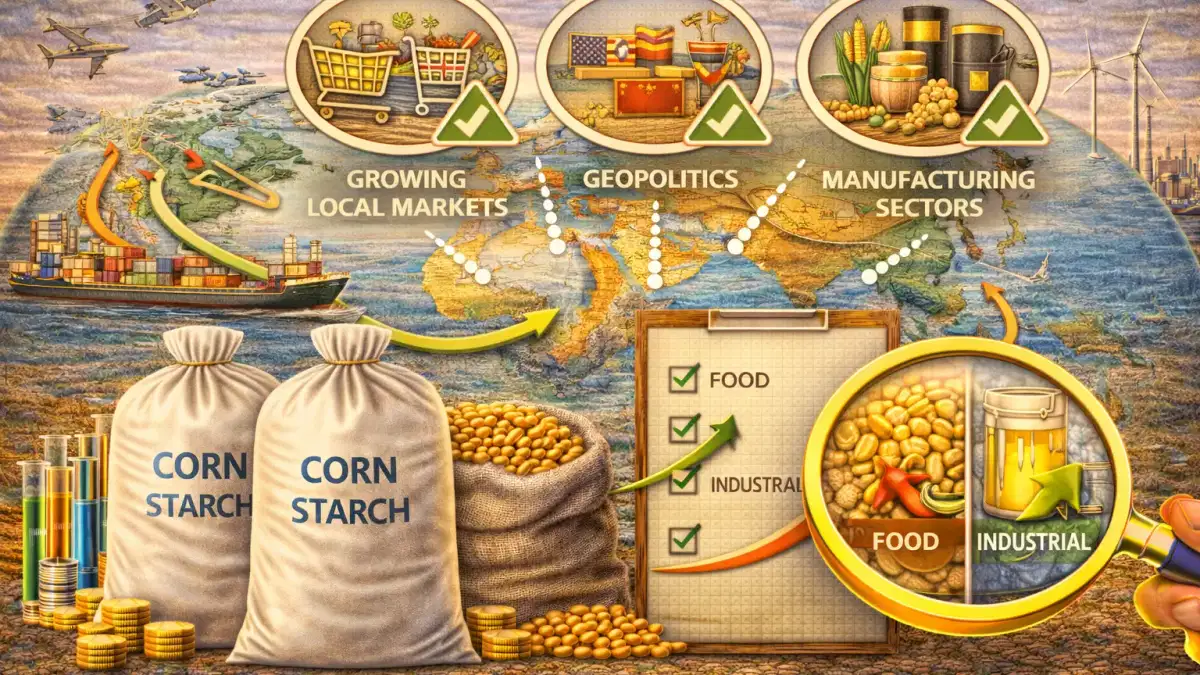
What Global Trade Flows Reveal About Corn Starch Demand
Global trade flows provide valuable insights into corn starch demand, highlighting major production hubs, key importing markets, and changing consumption patterns. Explore how international trade data reveals shifts in food manufacturing demand, regional supply dependencies, and emerging sourcing opportunities for corn starch buyers and suppliers.
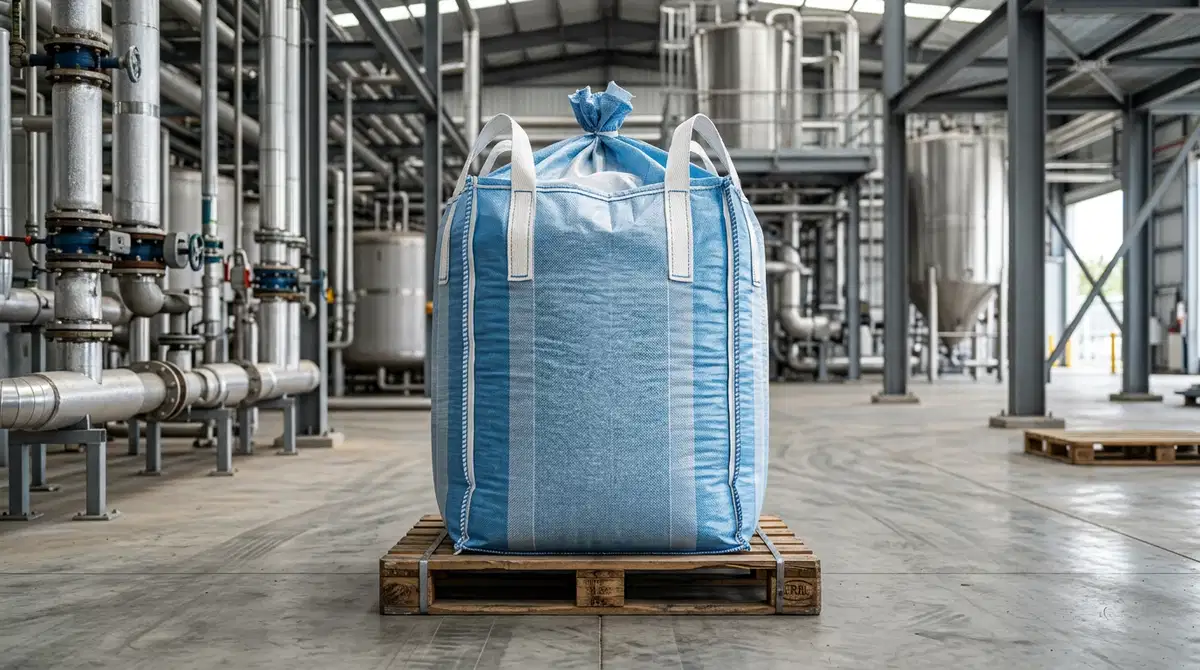
MEG Export Waivers and Their Impact on Global Petrochemical Procurement
Iran’s reported petrochemical export waivers could reshape MEG supply expectations for textile and chemical buyers across key markets. This analysis examines how Iranian MEG availability, sanctions considerations and sourcing decisions may affect procurement strategies.

War‑Risk Insurance for Chemical & Fertilizer Tankers Set to Surge Again
War‑risk insurance premiums for chemical and fertilizer tankers are poised to climb sharply, raising freight costs and forcing shippers to rethink logistics strategies. The new price surge reflects heightened conflict risks in key shipping lanes and a tightening supply of under‑insured vessels. Companies must now balance cost, safety and supply chain resilience in a volatile market.

Ecolab's Semiconductor Water Pivot and Environmental Compliance: What It Means for Chemical Procurement
Ecolab's acquisition of Ovivo's electronics ultrapure water business strengthens its role in semiconductor manufacturing, where water management is critical. Procurement and sustainability teams should understand how this development may influence supplier engagement and environmental reporting.
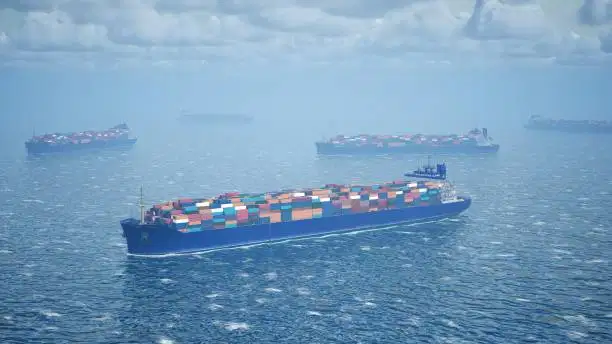
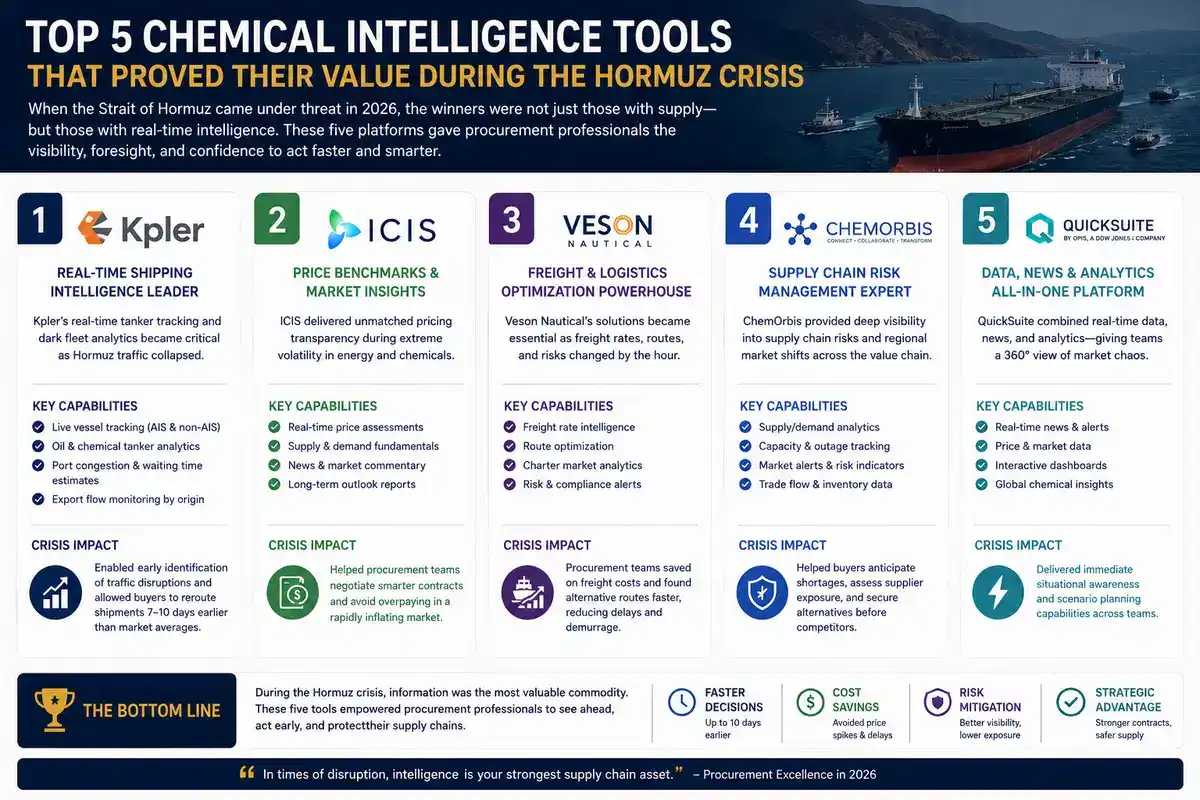
6,000 Seafarers Stranded as Hormuz Traffic Drops, Fueling Shipping Crisis
Approximately 6,000 seafarers are trapped in the Gulf as vessel movements through the Strait of Hormuz fall below normal levels. This bottleneck is not only an operational headache for shipping lines but also a humanitarian crisis and a threat to the chemical supply chain that fuels global commerce. The article explores the ripple effects across maritime logistics, crew welfare, and chemical transport.
Don't miss out on our updates! Subscribe to our newsletter now
We're committed to your privacy. Tradeasia uses the information you provide to us to contact you about our relevant content, products, and services. For more information, check out our privacy policy.