Few pharmaceutical products are as critical to modern healthcare as heparin.
Used globally as an anticoagulant during surgeries, dialysis treatments, cardiovascular procedures and hospital care, heparin is considered an essential medicine throughout much of the world. Yet despite its importance, the supply chain behind this life-saving drug has remained surprisingly fragile for decades.
A major breakthrough reported in June 2026 could begin changing that reality.
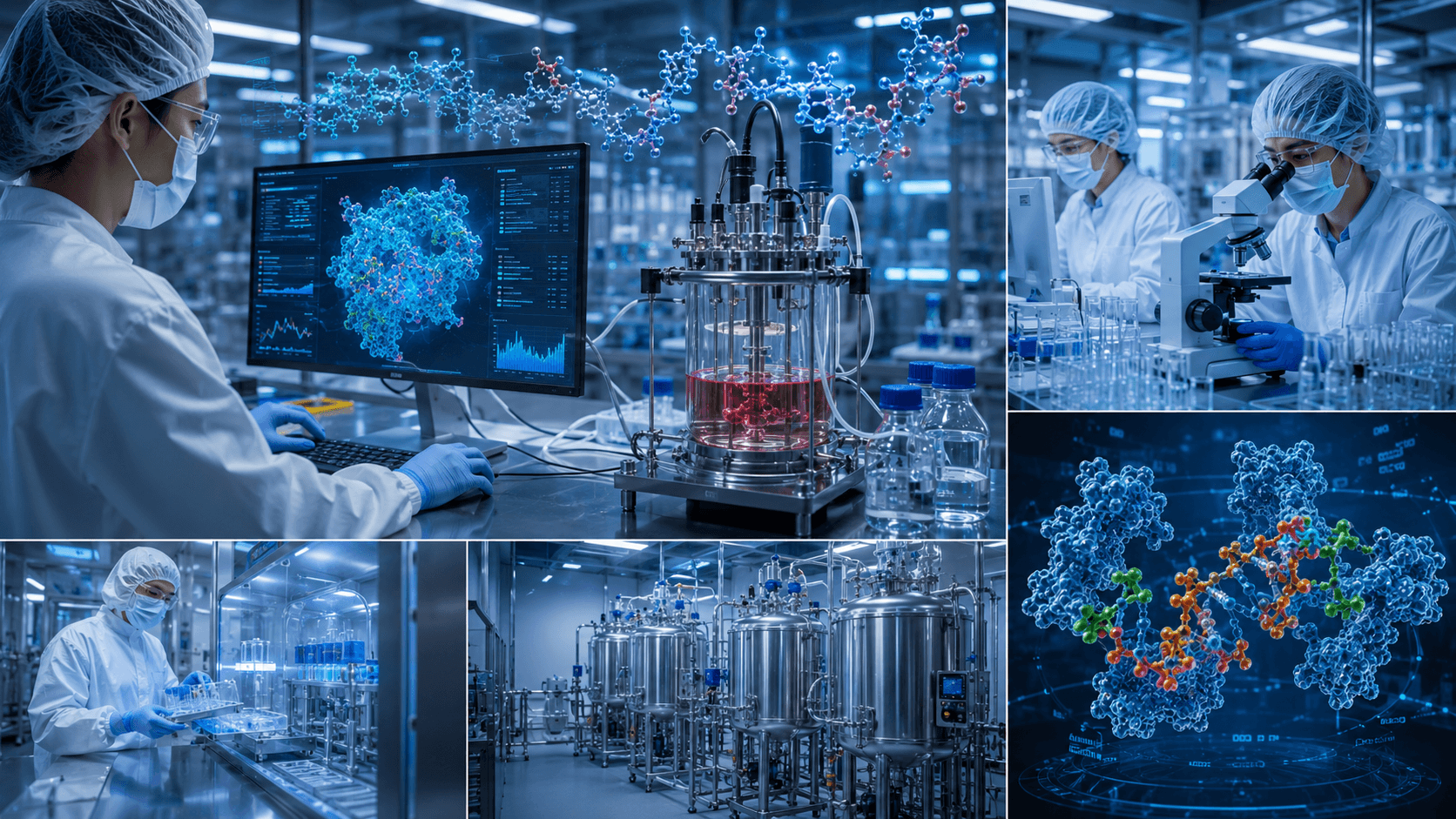
Researchers have successfully produced heparin using an entirely enzyme-based process, marking the first time the complex molecule has been synthesized without relying on animal-derived raw materials. If successfully commercialized, the innovation could fundamentally reshape pharmaceutical sourcing, supply security and quality assurance across the global heparin market.
Why Heparin Matters
Heparin remains one of the most widely used anticoagulants in healthcare.
Key applications include:
Cardiovascular surgery
Dialysis treatments
Blood clot prevention
Intensive care medicine
Medical device coatings
Hospital anticoagulation protocols
Demand remains steady and highly non-discretionary.
Unlike many pharmaceutical products, heparin is not easily replaced in numerous clinical settings, making uninterrupted supply a critical healthcare priority.
The Problem With Traditional Heparin Supply Chains
For decades, commercial heparin production has depended largely on one source:
Pig intestinal mucosa.
The process involves extracting heparin from animal tissue before purification and pharmaceutical processing.
While this system has supplied global demand for many years, it creates several vulnerabilities:
Animal Disease Risk
Livestock disease outbreaks can directly affect raw material availability.
Geographic Concentration
A significant portion of the world's raw material sourcing has historically been concentrated in a limited number of regions.
Traceability Challenges
Managing large animal-derived supply chains creates complexity in quality assurance and auditing.
Contamination Risk
Animal-derived products require extensive monitoring and quality control.
These challenges have long concerned pharmaceutical procurement professionals.
Lessons From the 2007 Heparin Crisis
The industry's concerns are not theoretical.
One of the most significant pharmaceutical supply chain failures occurred during the 2007–2008 heparin contamination crisis.
The incident involved contaminated heparin sourced through complex international supply chains and resulted in:
Product recalls
Regulatory investigations
Patient safety concerns
Increased industry scrutiny
The crisis highlighted the risks associated with opaque sourcing networks and reinforced the importance of traceability and quality control.
For many procurement leaders, it remains one of the defining examples of pharmaceutical supply chain vulnerability.
What Makes the New Biosynthetic Approach Different?
The newly reported breakthrough eliminates the need for animal-derived raw materials entirely.
Instead of harvesting heparin from pig intestines, researchers use a sequence of specialized enzymes to construct the molecule through controlled biochemical reactions.
The advantages are potentially significant.
Reduced Supply Chain Dependence
Production becomes less dependent on livestock markets and agricultural conditions.
Improved Traceability
Manufacturing can be controlled within regulated pharmaceutical production environments.
Enhanced Consistency
Enzyme-driven processes may provide more standardized product quality.
Better Scalability Potential
Future production facilities could be expanded without requiring corresponding growth in animal-derived raw material supply.
These benefits make the technology particularly attractive from a procurement and risk-management perspective.
Why Procurement Teams Should Pay Attention
The breakthrough is still at an early stage.
Commercial-scale production remains a future objective rather than a present reality.
However, pharmaceutical sourcing teams should begin monitoring developments because the long-term implications are substantial.
Potential benefits include:
Diversified supply sources
Reduced raw material concentration risk
Improved supply security
Enhanced regulatory compliance
Lower contamination exposure
Organizations that understand emerging technologies early often gain strategic advantages when commercial adoption begins.
Regulatory and Commercial Hurdles Remain
Despite the scientific achievement, several challenges must still be addressed.
Scale-Up Requirements
Laboratory success must be translated into industrial production.
Regulatory Approval
Regulators will require extensive validation demonstrating equivalence, safety and efficacy.
Manufacturing Economics
Commercial viability depends on achieving competitive production costs.
Supply Chain Qualification
Pharmaceutical companies will need to evaluate and qualify new suppliers and production platforms.
These steps could take years before widespread adoption occurs.
Could Biosynthetic Heparin Reshape the Market?
Potentially, yes.
If commercialized successfully, biosynthetic heparin could create a market structure similar to what recombinant biotechnology achieved for insulin production decades ago.
Historically, insulin depended heavily on animal-derived sources.
Modern recombinant manufacturing transformed that supply chain, improving scalability, consistency and quality.
Many industry observers believe biosynthetic heparin could follow a similar trajectory.
Strategic Implications for Pharmaceutical Buyers
Forward-looking procurement teams should begin considering several questions:
How concentrated is our current heparin supply chain?
What risks exist within animal-derived sourcing networks?
How would biosynthetic alternatives fit qualification programs?
Which suppliers are investing in next-generation manufacturing technologies?
Organizations that proactively assess these issues will be better prepared if commercialization accelerates.
What to Watch Through 2030
Several milestones will determine the technology's future:
Pilot-scale manufacturing success
Commercial production economics
Regulatory pathway development
Strategic partnerships
Pharmaceutical industry adoption
Each milestone will provide important signals regarding future market potential.
Conclusion
The successful enzyme-only synthesis of heparin represents one of the most significant pharmaceutical manufacturing breakthroughs of 2026. By eliminating reliance on pig intestine sourcing, the technology offers a potential solution to many of the vulnerabilities that have historically affected the global heparin supply chain.
While commercial adoption remains several years away, the implications are profound. Improved traceability, enhanced quality control, reduced contamination risk and greater supply security could fundamentally reshape how one of the world's most important anticoagulants is produced.
For pharmaceutical procurement managers, biosynthetic heparin is no longer merely an academic research project—it is an emerging supply chain innovation that deserves close attention as the industry moves toward a more resilient and secure future.
Crude Glycerine 85% Min Palm Based CAS: 56-81-5