
Introduction
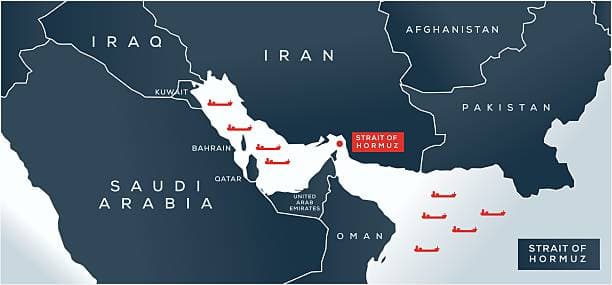
In the wake of the Hormuz choke‑point crisis, chemical buyers face a storm of cost spikes that can obscure underlying business realities. Distinguishing between temporary supply‑chain disruptions and permanent structural shifts is critical for modern cost accounting. By applying the Kiel Institute framework, procurement teams can separate recoverable expenses from baseline changes, enabling targeted contract renegotiations as the market normalizes.
The Kiel Institute Framework Explained
The Kiel Institute framework, originally developed for energy economics, offers a systematic approach to isolate shock‑induced costs from long‑term price trends. It relies on three pillars: shock identification, time‑series decomposition, and structural modeling. When translated to chemical procurement, these pillars become:
Shock Identification – Pinpoint the exact period of the Hormuz disruption and quantify the incremental price uplift.
Time‑Series Decomposition – Separate the chemical cost signal into seasonal, trend, and irregular components.
Structural Modeling – Build a supply‑demand equilibrium that accounts for new geopolitical realities.
Step 1: Shock Identification
Begin by mapping the timeline of the crisis. Use historical price data to locate the sharp spike that coincides with the Hormuz shutdown. The difference between the Isa‑curve price and the pre‑crisis trend line represents the temporary surcharge. This figure is the first candidate for recovery when contracts mature.
Step 2: Time‑Series Decomposition
Seasonal Adjustment – Remove predictable fluctuations caused by production cycles and weather patterns.
Trend Extraction – Fit a moving‑average or ARIMA model to capture the underlying chemical market trajectory.
Irregular Component – Isolate the residuals that contain the Hormuz shock.
By applying a seasonal‑adjusted moving‑average filter, procurement analysts can see that the irregular component peaks precisely during the tension period, confirming that the cost increase is a transient event.
Step 3: Structural Modeling
With the shock isolated, the next task is to assess whether the crisis has induced a permanent shift in supply elasticity. Build a simple supply‑demand model that incorporates:
New shipping routes and associated cost premiums.
Capacity constraints in alternative chokepoints.
Long‑term contracts that lock in higher prices.
If the model shows that the equilibrium price has moved upward even after the shock has subsided, the change is structural and must be embedded into future cost baselines.
Applying the Insights to Contract Renegotiation
Once the recoverable and permanent components are quantified, procurement teams can craft a data‑driven negotiation strategy:
Recoverable Costs – Use the residual shock figure to argue for a price reset or a reimbursement clause in expiring contracts.
Permanent Changes – Adjust baseline price assumptions in new contracts to reflect the updated equilibrium, thereby avoiding future over‑exposure.
Risk‑Sharing Clauses – Incorporate tiered price caps that trigger when geopolitical risk indicators cross a predefined threshold.
These tactics ensure that buyers are not overpaying for a temporary event while also protecting against genuine long‑term market shifts.

Practical Tools and Data Sources
To operationalize the framework, teams should leverage:
Real‑time commodity feeds from the ICE Oil & Gas platform.
Geopolitical risk dashboards from the Global Risks Institute.
Statistical software such as R or Python’s statsmodels library for time‑series analysis.
Integrating these tools into the procurement workflow allows for continuous monitoring and swift adjustments as conditions evolve.
Conclusion
The Kiel Institute framework offers a rigorous, data‑centric method to separate temporary Hormuz disruption costs from permanent structural shifts. By quantifying recoverable expenses and recalibrating baselines, chemical buyers can negotiate more effectively and safeguard margins in a volatile market.
PVC Resin CAS: 9002-86-2