
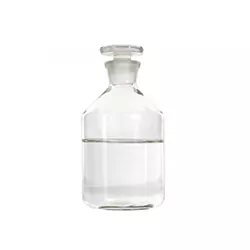
Gum Turpentine
- IUPAC Name
- turpentine oil (Pinus spp.)
- Molecular Formula
- C10H16 (mainly α-pinene)
- Synonyms & Trade Names
- Gum turpentine oil; Spirits of turpentine; Wood turpentine
- Purity / Assay (%)
- 80% min total terpenes
- Grade / Quality Level
- Technical Grade
- Physical Form
- Liquid
Categories
Technical Document
Download TDSAbout Gum Turpentine Oil
Turpentine also called the spirit of turpentine, oil of turpentine, wood turpentine or gum turpentine is a fluid obtained by the distillation of resin obtained from trees, mainly pine trees. It is composed of terpenes, mainly monoterpenes alpha-pinene and beta-pinene. It has a paint-like odor.
Manufacturing Process
Turpentine oil is generally produced in countries with an extensive number of pine trees. Turpentines from Europe are derived from the cluster pine (P. pinaster) and the Scotch pine (P. sylvestris), whereas the turpentines from the United States are derived from the longleaf pine (P. palustris) and the slash pine (P. caribaea).
Turpentine oil is classified according to the way it is produced. Sulfate turpentine, used widely in the chemicals industry, is obtained as a by-product of the kraft when the wood pulp is cooked during the course of kraft paper manufacture. Wood turpentine is obtained by the steam distillation of shredded bits of dead pine wood, while gum turpentine results from the distillation of the exudate of the living pine tree obtained by tapping. Tapping the live pine tree would yield crude turpentine that typically contains 65% gum rosin and 18% gum turpentine.
For businesses, finding a reputable Gum Turpentine Supplier is crucial for ensuring the quality and consistency of gum turpentine oil used in various industrial applications.