
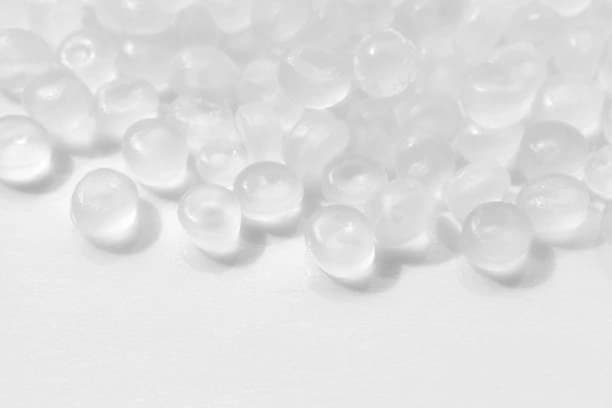
Homopolímero PP T035 (hilo) - China
- Forma física
- Sólido
- Concentración
- Sustancia pura
- Apariencia/Color
- Sólido de color blanco a blanquecino
- Estado de precursor de fármacos
- No precursor
Categorías
Documento técnico
Breve descripción
El homopolímero de polipropileno es un polímero termoplástico hecho completamente de monómeros de propileno. Tiene una interesante estructura isotáctica que da como resultado una alineación y organización uniformes de las cadenas moleculares, así como una mejor cristalinidad. Esta característica le da al material un gran aislamiento eléctrico, resistencia química y rigidez. Este homopolímero tiene un alto punto de fusión y se utiliza en varios procesos de fabricación, incluidos la extrusión y el moldeo por inyección, para crear láminas, tuberías y materiales de embalaje. Sus excepcionales propiedades mecánicas y térmicas lo han convertido en la opción preferida en las industrias de bienes de consumo, construcción y automoción.
Proceso de fabricación
Los monómeros de propileno se polimerizan durante el proceso de producción del homopolímero de polipropileno. Esta es una breve sinopsis del proceso:
Polimerización: El proceso implica polimerizar propileno utilizando un catalizador Ziegler-Natta, que generalmente está compuesto por un cocatalizador de organoaluminio y un compuesto de metal de transición. El catalizador provoca el inicio de la reacción y el producto son cadenas de polipropileno homopolímero de alto peso molecular.
Condiciones del proceso: Al alterar las variables del proceso, como la presión y la temperatura, se pueden adaptar las propiedades del homopolímero de polipropileno final. La estructura molecular y las características del polímero se ven afectadas por estos cambios.
Aditivos: Algunos ejemplos de aditivos son los coadyuvantes de procesamiento, los estabilizadores y los antioxidantes, que pueden mejorar la resistencia y la estabilidad del polímero.
Métodos de procesamiento: Las técnicas de moldeo por inyección o extrusión se utilizan comúnmente para crear homopolímeros de polipropileno. Estas técnicas se utilizan para convertir el polímero en productos terminados, como tubos, láminas y empaques.
Varias industrias, incluidas las de productos de consumo, construcción y automoción, pueden beneficiarse de las cualidades personalizadas del homopolímero de polipropileno, que producen los fabricantes controlando cuidadosamente el proceso de polimerización, ajustando las condiciones e incorporando aditivos.