
Related Insights

Using the Kiel Institute to Separate Temporary Hormuz Costs from Permanent Chemical Procurement Shifts
After the Hormuz shutdown, chemical buyers face a mix of temporary price spikes and lasting market shifts. This article applies the Kiel Institute framework to isolate recoverable costs from permanent baseline changes, providing a roadmap for data‑driven contract renegotiations. Implementing these insights helps teams win back margins as conditions normalize.

Sulfur Disruption: Gulf's 45% Share Offline for 124 Days and the Restart Economics
The gradual restart of Gulf sulfur exports is expected to improve global sulfur availability and ease sulfuric acid market tightness. Fertilizer, mining, and battery manufacturers should prepare for improving supply conditions during Q3 2026.

Doha Talks Today: What US-Iran Negotiations Mean for Chemical Shipping Logistics and Global Procurement
Today's Doha talks could reshape chemical shipping logistics across the Gulf. With elevated maritime risk, delayed vessel movements and cautious carrier policies, procurement teams need to understand how today's diplomatic outcome could affect Q3 sourcing, freight costs and supply chain planning.
Iranian Petrochemical Export Waivers: Implications for Pharmaceutical Chemical Supply Chains
Iran’s new petrochemical export waivers could create sourcing opportunities for pharmaceutical chemical buyers, but unresolved OFAC sanctions create major legal uncertainty. Procurement teams should seek immediate sanctions counsel before considering Iranian-origin chemical sourcing.

US NGL Export Capacity Build-Out: Enterprise Phase 2 Terminal Adds 180,000 Bbl/Day Ethane
Major NGL export terminal expansions along the US Gulf Coast are reshaping global ethane and propane trade flows. Chemical traders should prepare for continued logistics pressure as new export capacity comes online through late 2026.
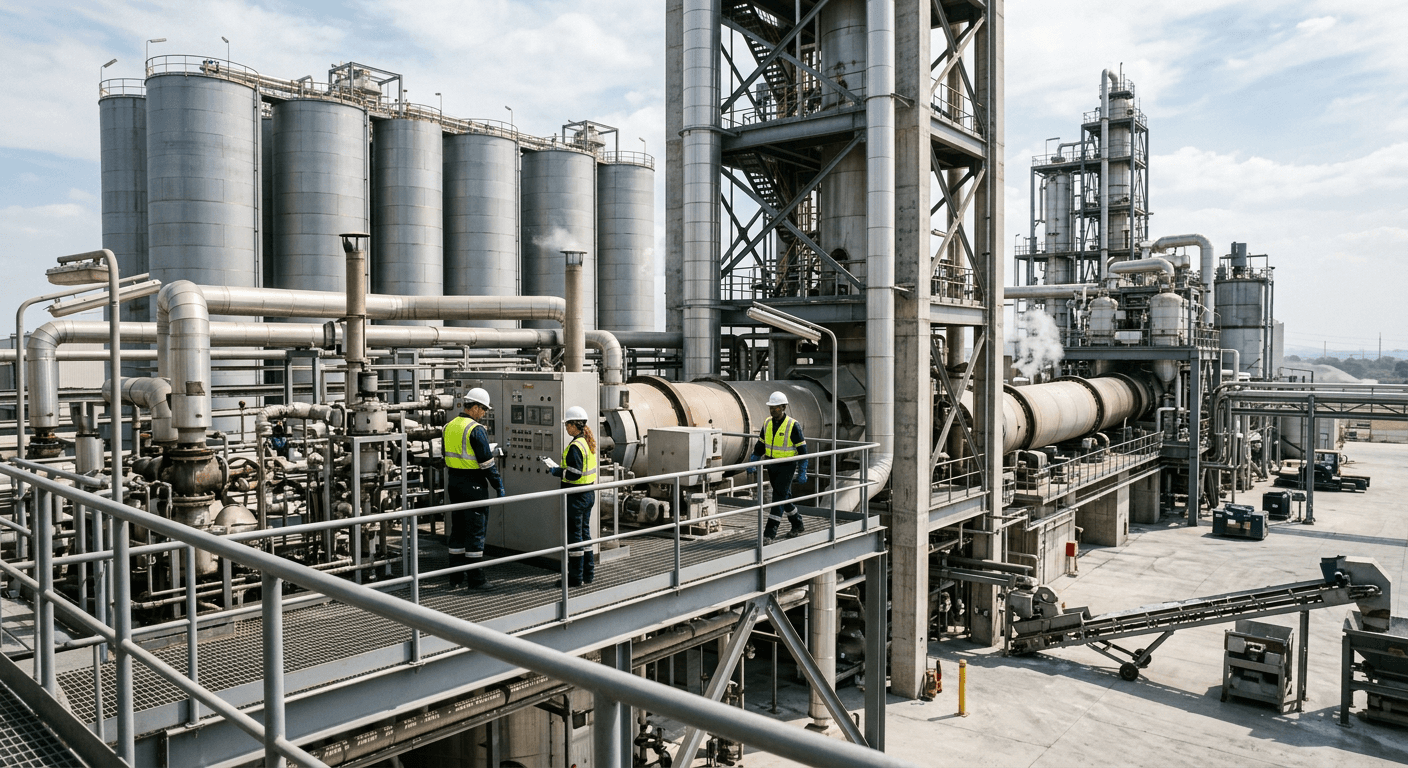
Soda Ash Prices Diverge in 2026 as Chinese Export Pressure Reshapes Global Markets
Soda ash markets are showing strong regional differences in 2026 as high Chinese output pressures export prices while freight disruptions raise delivered costs elsewhere. This market update explains why buyers should focus on landed cost analysis instead of headline pricing.
Don't miss out on our updates! Subscribe to our newsletter now
We're committed to your privacy. Tradeasia uses the information you provide to us to contact you about our relevant content, products, and services. For more information, check out our privacy policy.