


Related Insights

Sulfur and Aluminum Supply at Risk: What the Hormuz Crisis Means for Chemical Procurement
The Strait of Hormuz disruption extends beyond oil markets, affecting sulfur, aluminum, methanol and graphite that support global chemical manufacturing. Procurement teams should reassess sourcing strategies as industrial raw material risks continue to evolve.
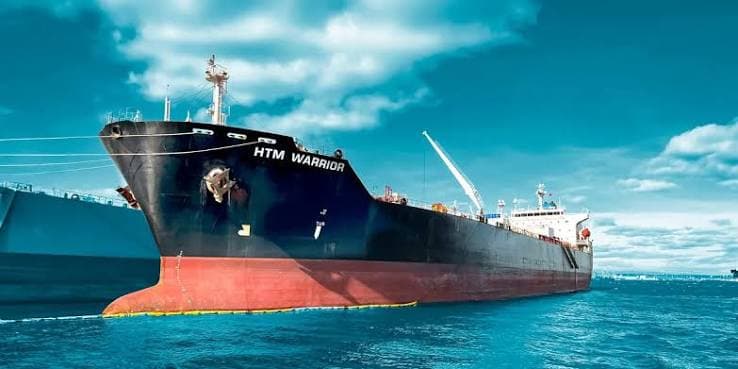
Jones Act and Chemical Logistics: What the 60-Day Waiver Expiry Means for US Markets
The expiration of the temporary Jones Act waiver has restored standard domestic shipping rules across US chemical logistics. As Gulf Coast supply chains continue recovering, distributors and manufacturers are once again navigating a tighter domestic tanker market and higher coastwise transportation costs.
Commodity Chemical Intelligence: The Kpler 34 Framework for Reading Physical Recovery vs Diplomatic Progress
The most important lesson from 124 days of the 2026 Hormuz crisis is that physical supply recovery and diplomatic progress move independently. For chemical procurement teams planning Q3 supply, vessel crossing data from Kpler now matters far more than political statements coming out of Doha negotiations.
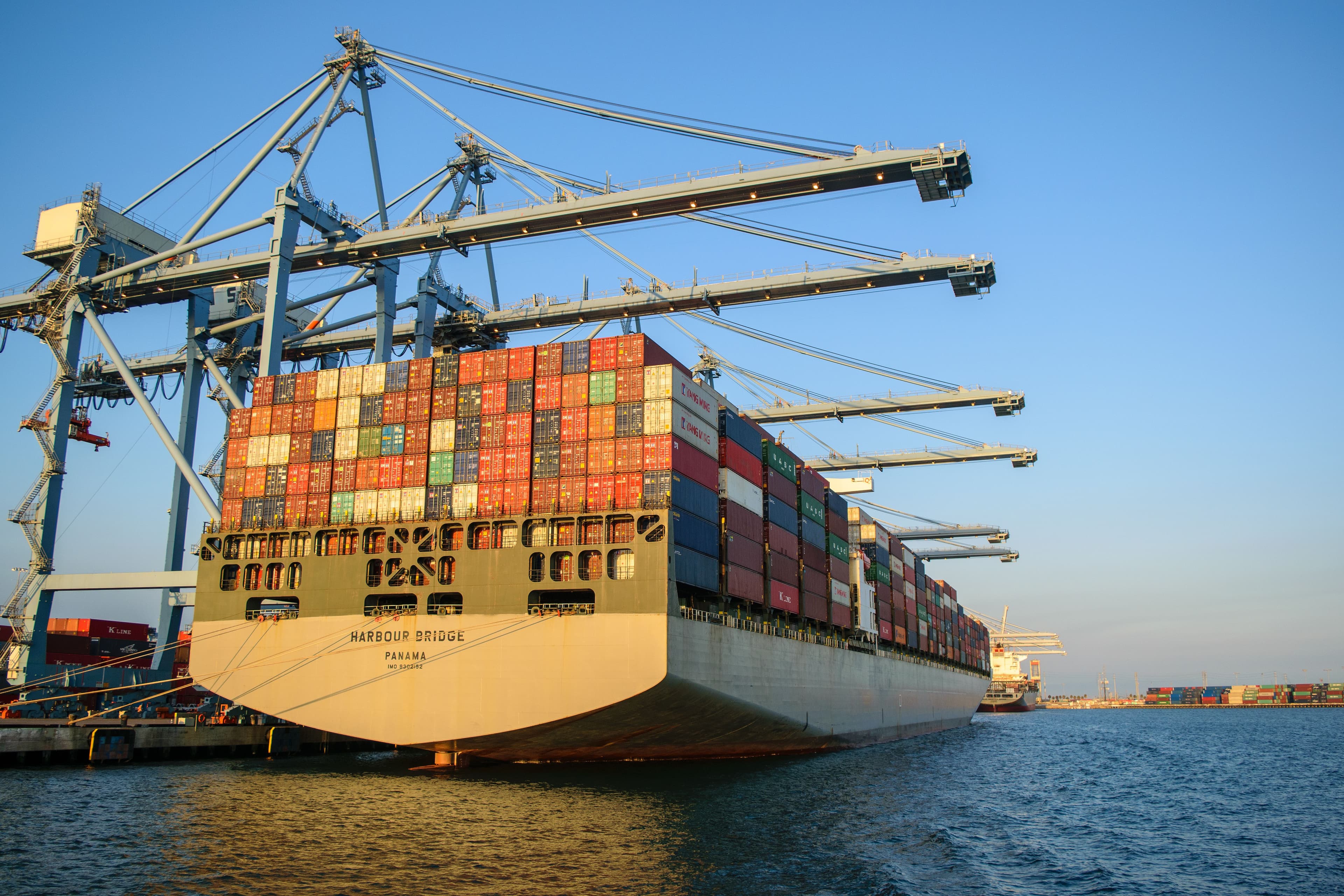
Methanol Supply Update: What AIS Shipping Data Means for Q3 Buyers
Methanol supply has remained active through recent Gulf disruptions, with AIS vessel tracking showing continued commercial movement. Buyers should separate headline risk from physical flow data when planning Q3 procurement.

Trade Policy H1 2026 Closing Review: India, EU and US Regulatory Shifts Reshape Chemical Markets
H1 2026 closes with simultaneous trade policy changes across India, the EU and the US. Chemical procurement teams face overlapping tariff, anti-dumping and regulatory fee developments that require structured multi-jurisdiction tracking.
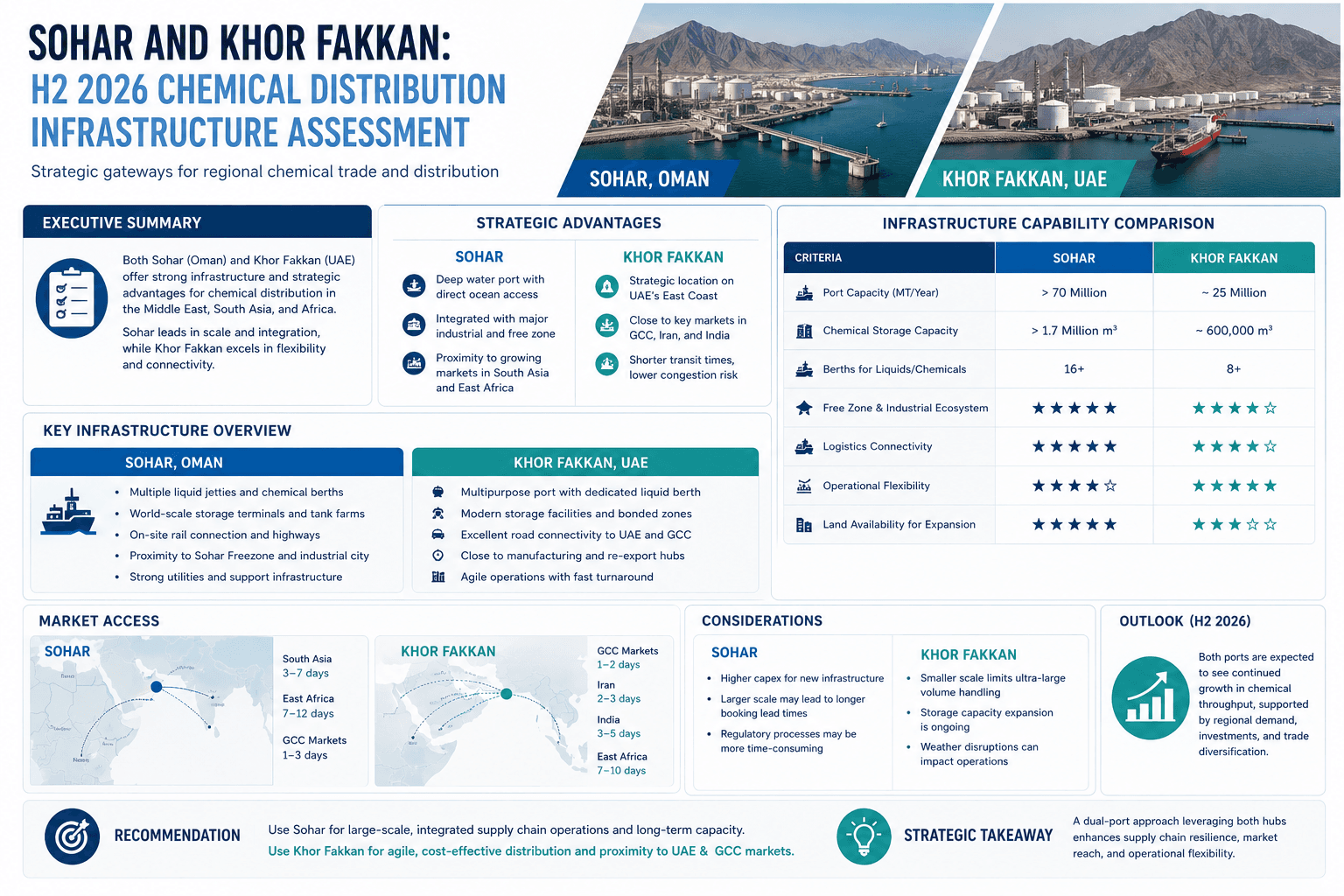
Sohar and Khor Fakkan: H2 2026 Chemical Distribution Infrastructure Assessment
Sohar and Khor Fakkan have emerged as permanent Gulf chemical distribution hubs after the Hormuz crisis disrupted traditional routes. Chemical buyers should now verify exactly where supplier cargo loads, as port selection directly affects insurance costs, lead times, and shipment risk.
Don't miss out on our updates! Subscribe to our newsletter now
We're committed to your privacy. Tradeasia uses the information you provide to us to contact you about our relevant content, products, and services. For more information, check out our privacy policy.