
Related Insights
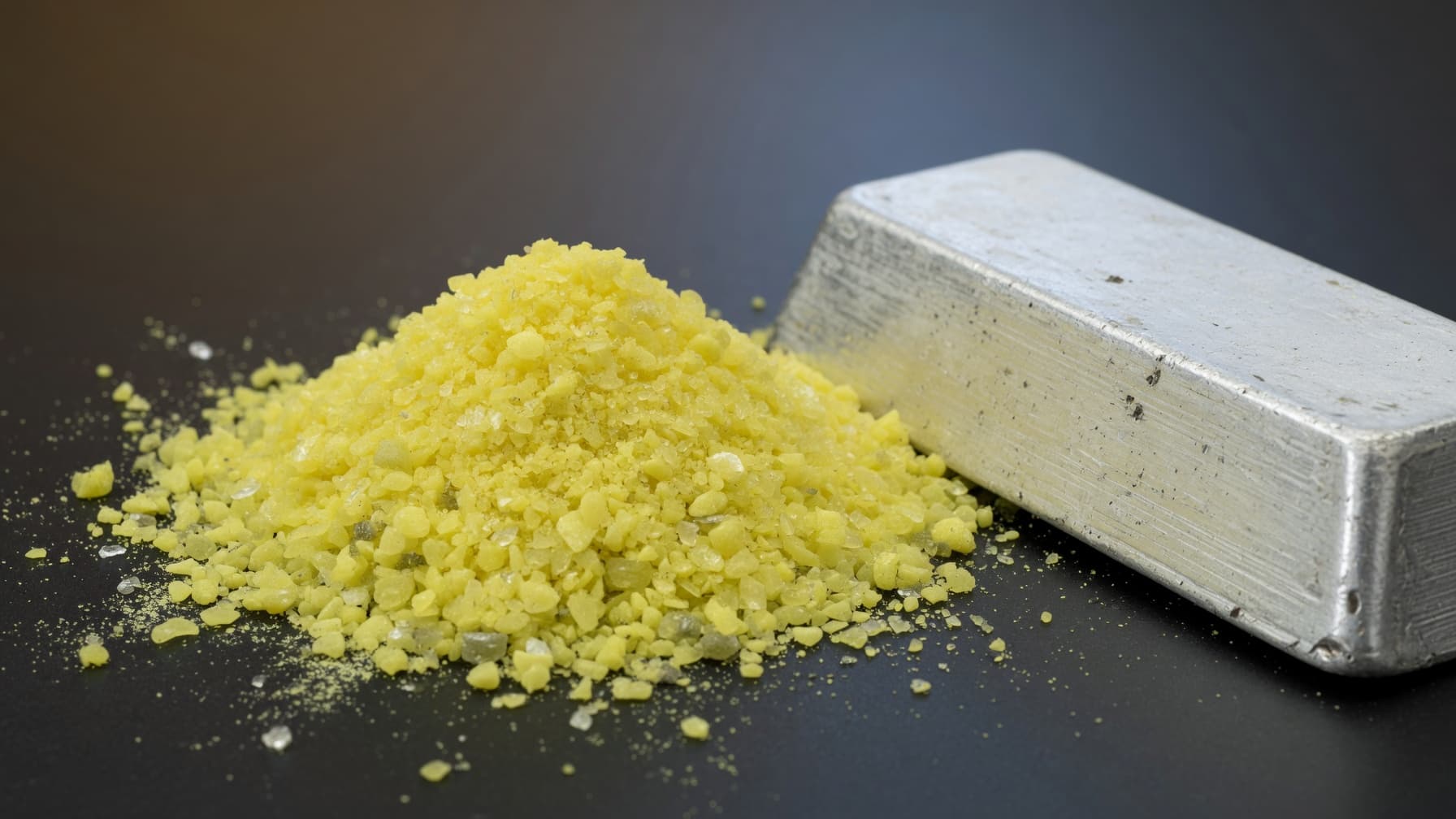
Sulfur and Aluminum Supply at Risk: What the Hormuz Crisis Means for Chemical Procurement
The Strait of Hormuz disruption extends beyond oil markets, affecting sulfur, aluminum, methanol and graphite that support global chemical manufacturing. Procurement teams should reassess sourcing strategies as industrial raw material risks continue to evolve.

Petrochemical Trade Route Reshaping: How New Polymer Supply Chains Are Changing Global Procurement
Trade disruptions across the Middle East have accelerated a major shift in global polymer sourcing. This analysis explains how new trade routes are influencing procurement strategies, regional suppliers and long-term purchasing decisions for chemical buyers.
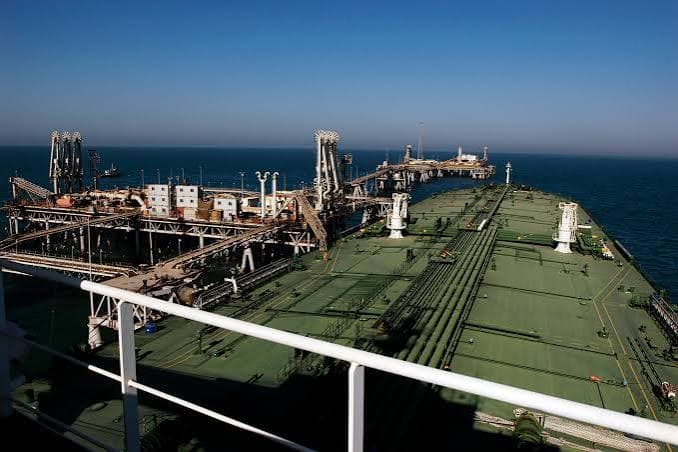
Iran’s “Service Fees”: What Toll-Based Passage Would Cost the Chemical Industry Annually
Iran’s proposal to charge “service fees” for Hormuz passage could permanently reshape the economics of global chemical trade. If transit charges become permanent, Gulf-origin chemical supply chains may face $500 million to $1.5 billion in additional annual costs that buyers will ultimately absorb through higher contract pricing.

Jordan API Supply: Post-Crisis Recovery Assessment for Antibiotic Procurement Teams
Jordan's pharmaceutical API exports are showing signs of recovery as regional shipping conditions improve. Buyers dependent on antibiotic APIs should use July to verify logistics, rebuild inventories and secure Q3 supply agreements. This guide evaluates logistics recovery, procurement risks and outlines actionable Q3 sourcing strategies.

The Nine Major Carriers' Hormuz Posture: Where Each Stands on July 1
The world's nine largest container shipping lines continue maintaining Cape of Good Hope routing as their operational standard entering H2 2026. For chemical buyers shipping under CIF and CFR contracts, understanding each carrier's operating posture is now a critical component of logistics and insurance planning.

The Paradox of June 29, 2026: Why Brent Is Below Pre-War Levels Despite Active Drone Strikes
Brent crude has fallen below pre-war levels despite active military escalation in the Gulf, creating a rare market paradox. For chemical procurement teams, falling feedstock costs and unresolved logistics risk are sending completely opposite signals into H2 2026.
Don't miss out on our updates! Subscribe to our newsletter now
We're committed to your privacy. Tradeasia uses the information you provide to us to contact you about our relevant content, products, and services. For more information, check out our privacy policy.