
Citrus Pulp CAS: 94266-47-4
Citrus Pulp CAS: 94266-47-4

After the Hormuz shutdown, chemical buyers face a mix of temporary price spikes and lasting market shifts. This article applies the Kiel Institute framework to isolate recoverable costs from permanent baseline changes, providing a roadmap for data‑driven contract renegotiations. Implementing these insights helps teams win back margins as conditions normalize.
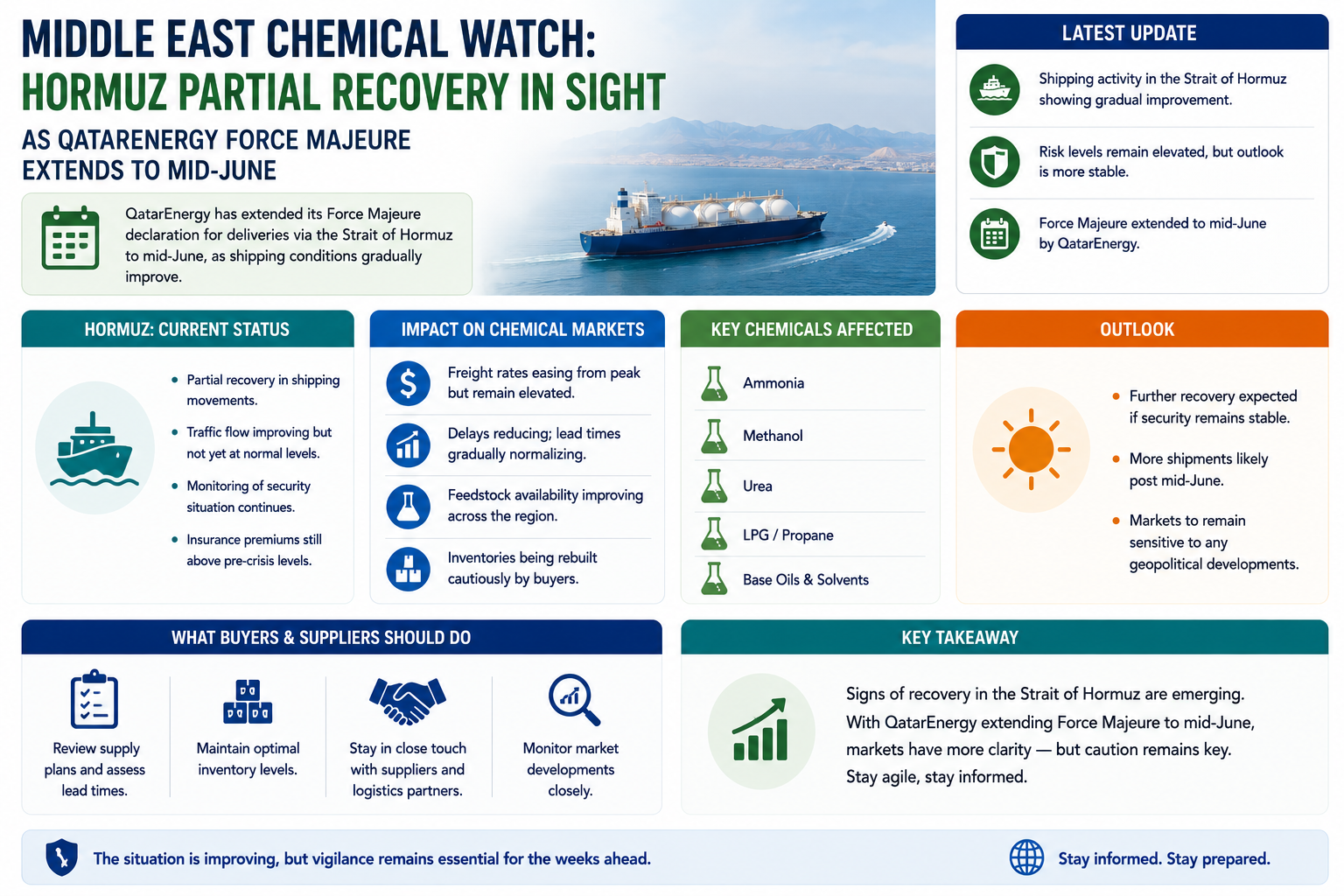
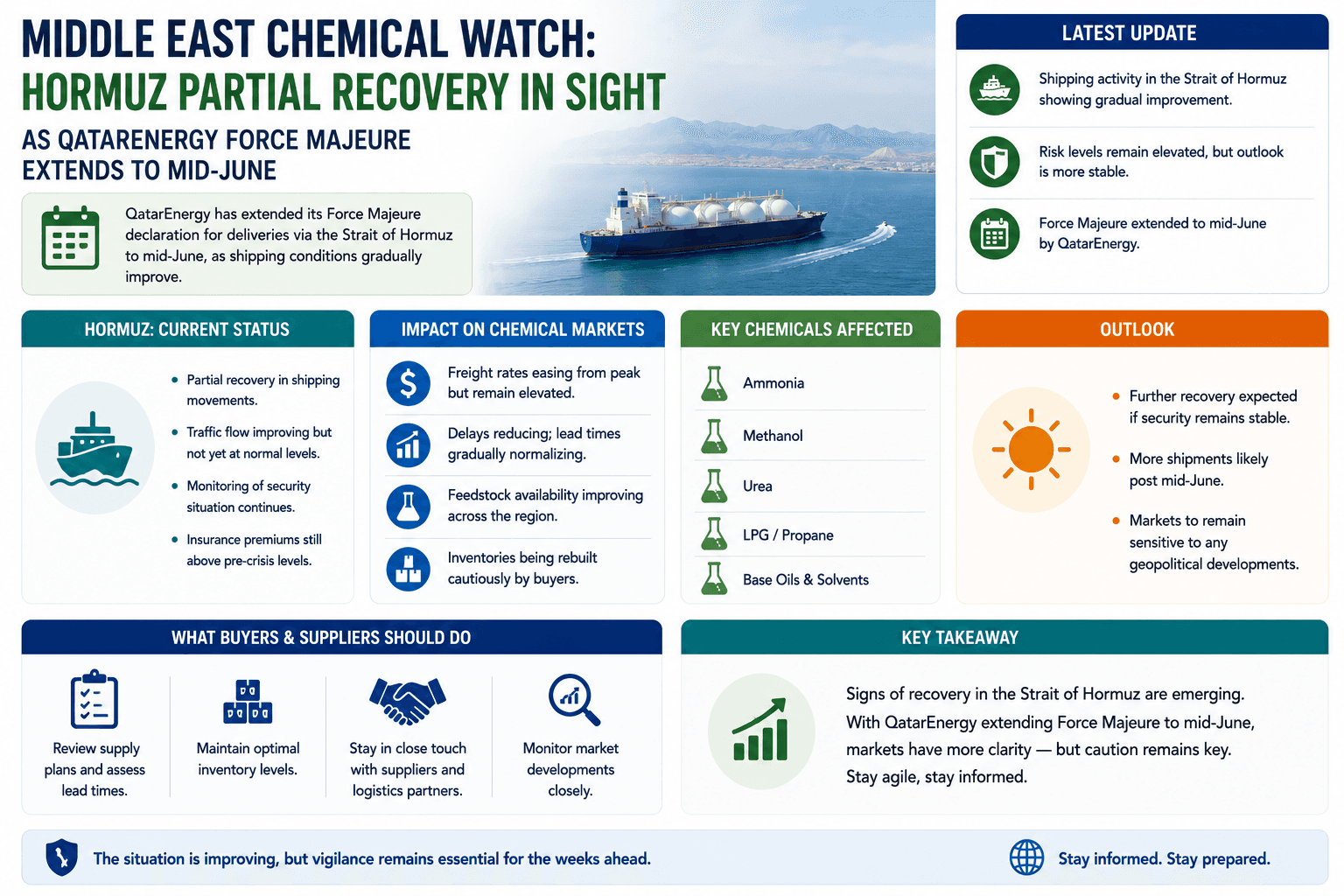
Singapore's PCS force majeure declaration reshaped supply planning for petrochemical buyers across Asia. As Middle East shipping conditions improve, procurement teams now face important decisions on contract renegotiation, delivery schedules and pricing.

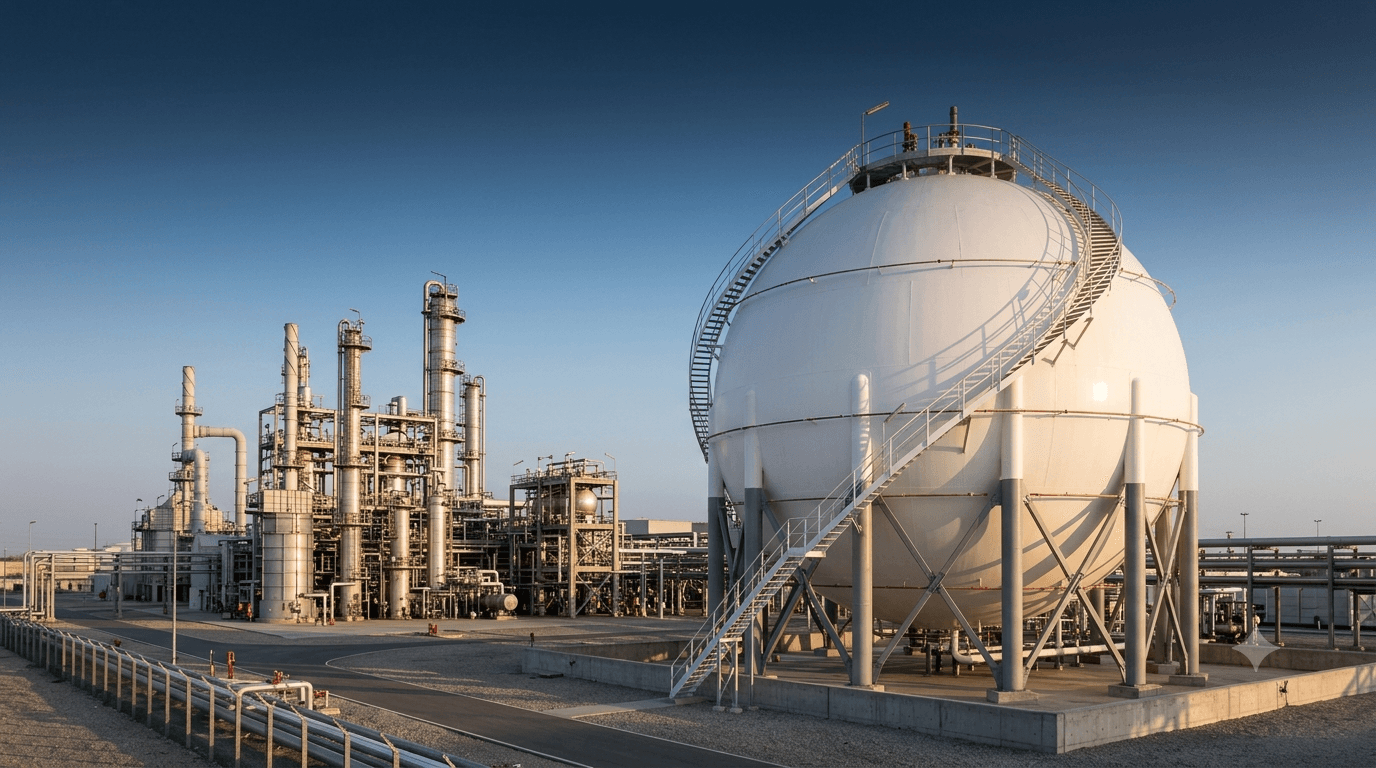
The gradual restart of Gulf sulfur exports is expected to improve global sulfur availability and ease sulfuric acid market tightness. Fertilizer, mining, and battery manufacturers should prepare for improving supply conditions during Q3 2026.

Chemical buyers are facing one of the most complex procurement environments of 2026 as energy prices fall, Gulf supply recovers and geopolitical risks remain elevated. This weekly briefing highlights the critical signals shaping commodity chemical sourcing decisions.
Formaldehyde producers may finally see feedstock cost pressure ease as methanol supply conditions improve and crude oil prices remain softer. However, buyers of urea-formaldehyde and phenol-formaldehyde resins should not expect immediate price reductions, as contract structures and inventory cycles will delay market adjustments into August 2026.

In June 2026, the US chemical scene was jolted by a strategic Hormuz MOU, the disruptive impact of Hurricane Arthur, the landmark Olin‑Huntsman merger, and the sudden INEOS Styrolution plant shutdown. These events reshaped supply chains and market dynamics across North America.
We're committed to your privacy. Tradeasia uses the information you provide to us to contact you about our relevant content, products, and services. For more information, check out our privacy policy.