
1. Morocco’s Phosphate Superiority
OCP Group controls over 70% of the world’s phosphate reserves, making Morocco the largest global producer of phosphate fertilizers. This dominance keeps the price of US MAP (muriate of ammonium phosphate) high, projected at $800‑$900 per tonne in 2026 even after U.S. duties reduce Moroccan access.
2. OCP’s Downstream Expansion
Beyond bulk phosphate, OCP is expanding into phosphoric acid, purified phosphates, and specialty blends. These downstream products enhance value capture and diversify Morocco’s chemical portfolio.
2.1 Diversified Product Mix
Phosphoric Acid – key raw material for fertilizers and industrial chemicals.
Purified Phosphates – high‑purity grades for specialty applications.
Specialty Blends – tailored nutrient profiles for advanced agriculture.

3. The Green Shift: Solar, Wind, Hydrogen, Ammonia
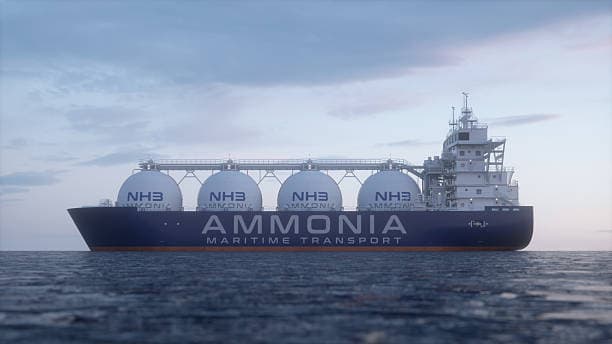
Morocco’s abundant solar and wind resources are being leveraged at Jorf Lasfar to produce green hydrogen and subsequently green ammonia. This low‑carbon pathway aligns with the European Union’s CBAM (Carbon Border Adjustment Mechanism) and could position Moroccan ammonia as a preferred EU source.
3.1 Project Highlights
Massive solar and wind farms supplying power.
Green hydrogen production via electrolysis.
Green ammonia synthesis and export infrastructure.
When fully operational, this green ammonia will reduce the carbon footprint of Moroccan fertilizers, making them more competitive in the EU market.
4. Market Implications for Buyers
Moroccan DAP (diammonium phosphate) and MAP remain the price setters in the global market. Buyers should consider the following strategies:
Lock Annual Contracts Early – Secure pricing ahead of OCP’s green timeline.
Track Green Ammonia Milestones – Monitor project milestones to anticipate supply shifts.
Diversify Sourcing – Combine traditional DAP/MAP with green ammonia blends.
Engage with OCP – Direct dialogue can yield early insights into product availability.
By aligning procurement strategies with OCP’s roadmap, companies can mitigate price volatility and benefit from the upcoming low‑carbon fertilizer wave.