
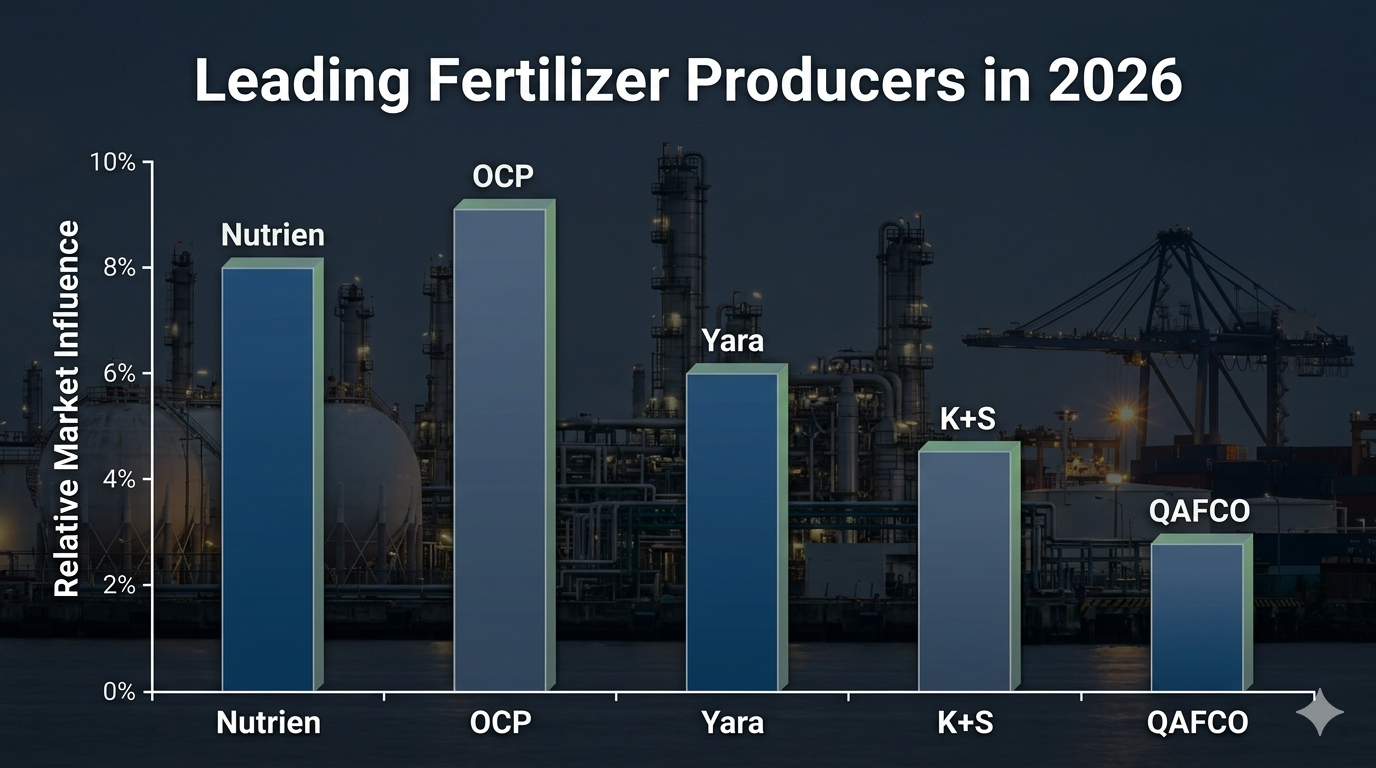

Urea (Granular) - Egypt CAS: 57-13-6

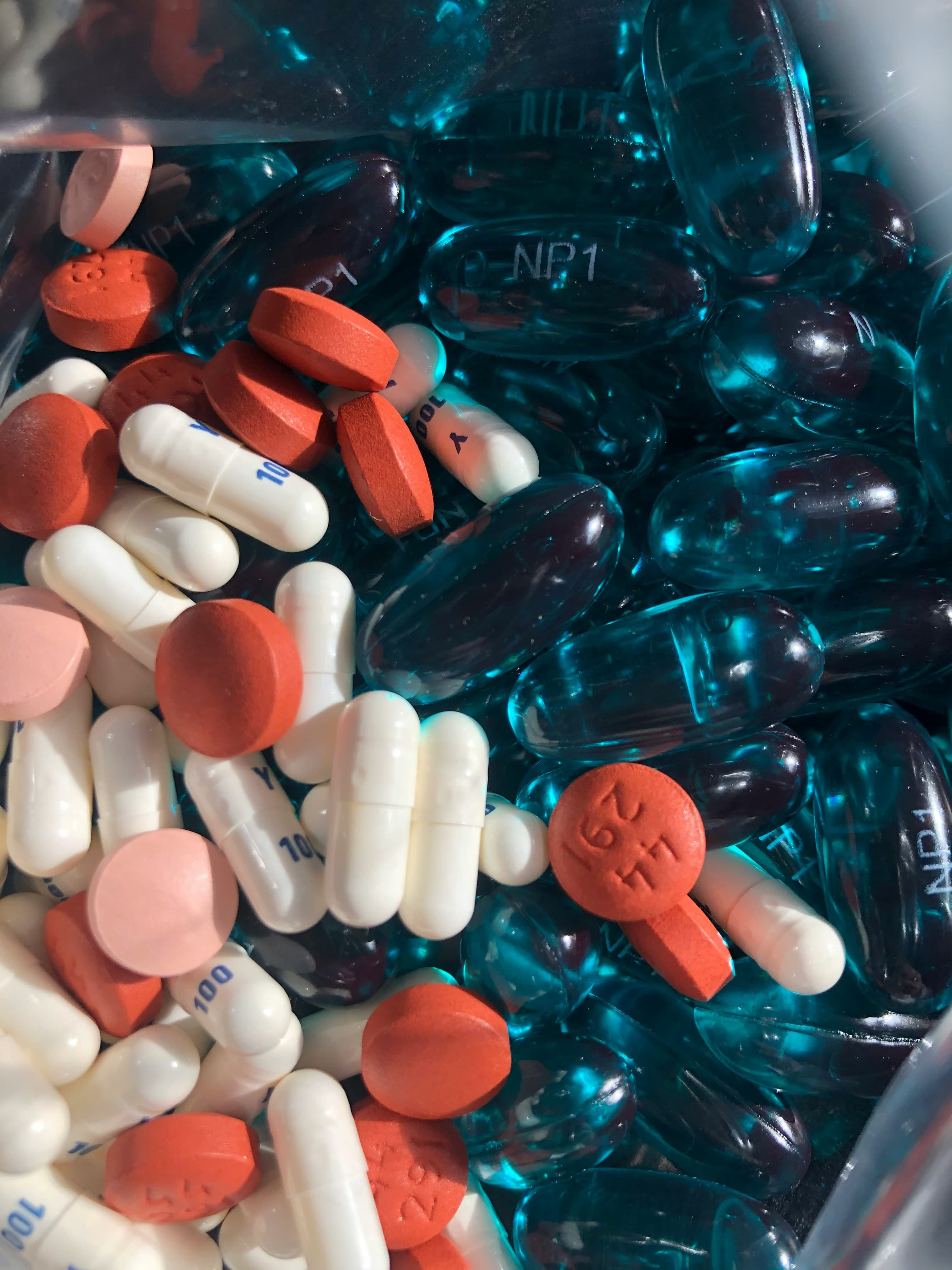
Chinese amino acid producers (L-lysine, L-threonine, taurine, L-methionine, choline chloride) serve global nutraceutical
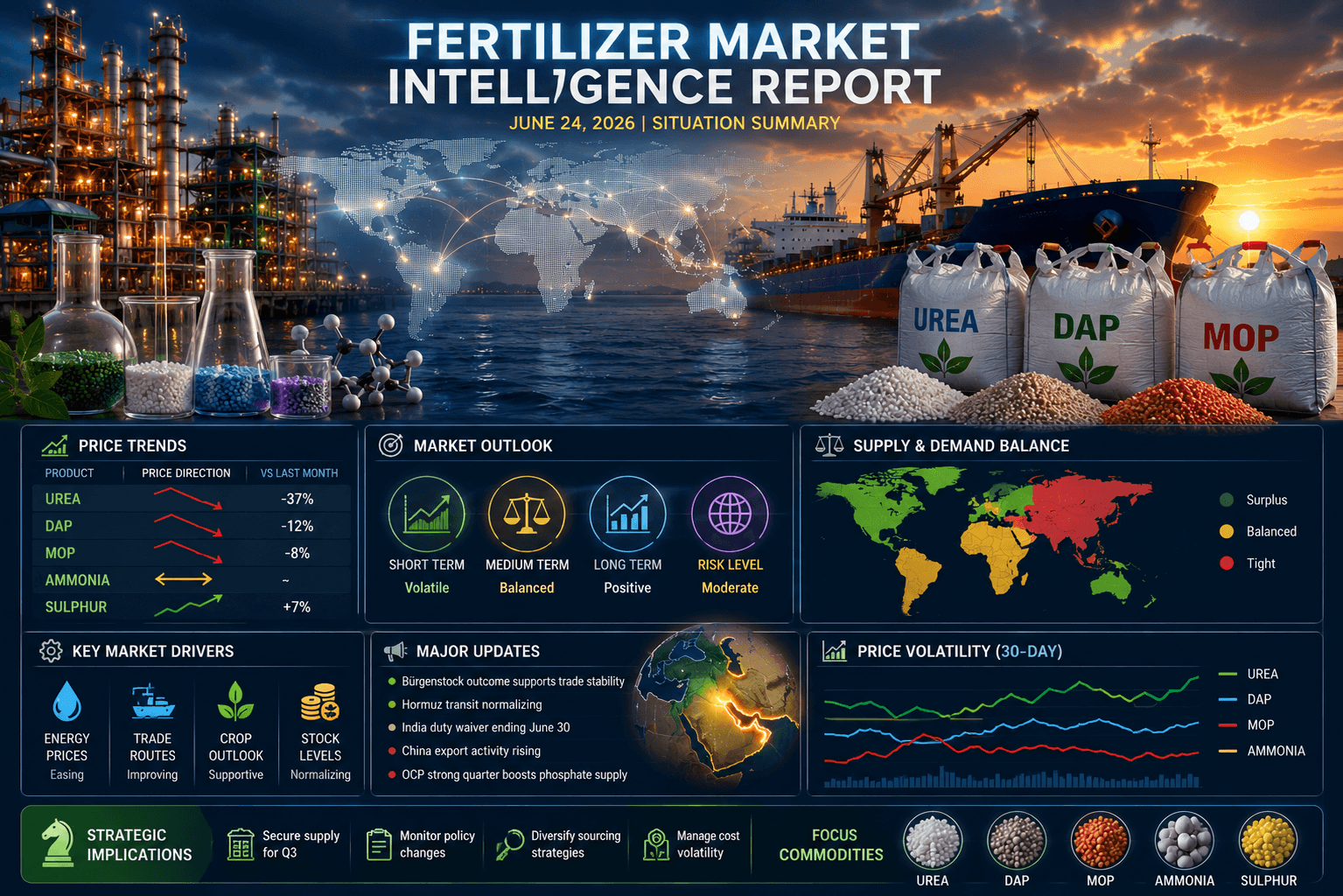
Global fertilizer markets are stabilizing after months of disruption, but June 2026 remains a critical procurement window. Urea prices are down 36%, ammonia exports may restart in July, and fertilizer buyers must navigate supply recovery, policy deadlines, and pricing uncertainty.

The sorbitol market is witnessing a decisive feedstock shift as corn glucose gains traction over palm and tapioca options. This divergence is lowering sorbitol pricing for Chinese producers and opening new sourcing opportunities, but buyers must also consider EUDR compliance to secure long‑term supply chains.

China’s expanding domestic petrochemical capacity helped replace Gulf PTA and paraxylene supply during recent disruptions. As Gulf exports begin returning, PTA buyers need to assess how new competition could affect pricing and sourcing strategies.

As the Hormuz crisis reshapes global oil flows, India’s ONGC is evaluating Venezuelan crude to secure feedstock for its expanding refinery network. This move signals a broader strategy to diversify imports and stabilize the country’s petrochemical supply chain by 2026.
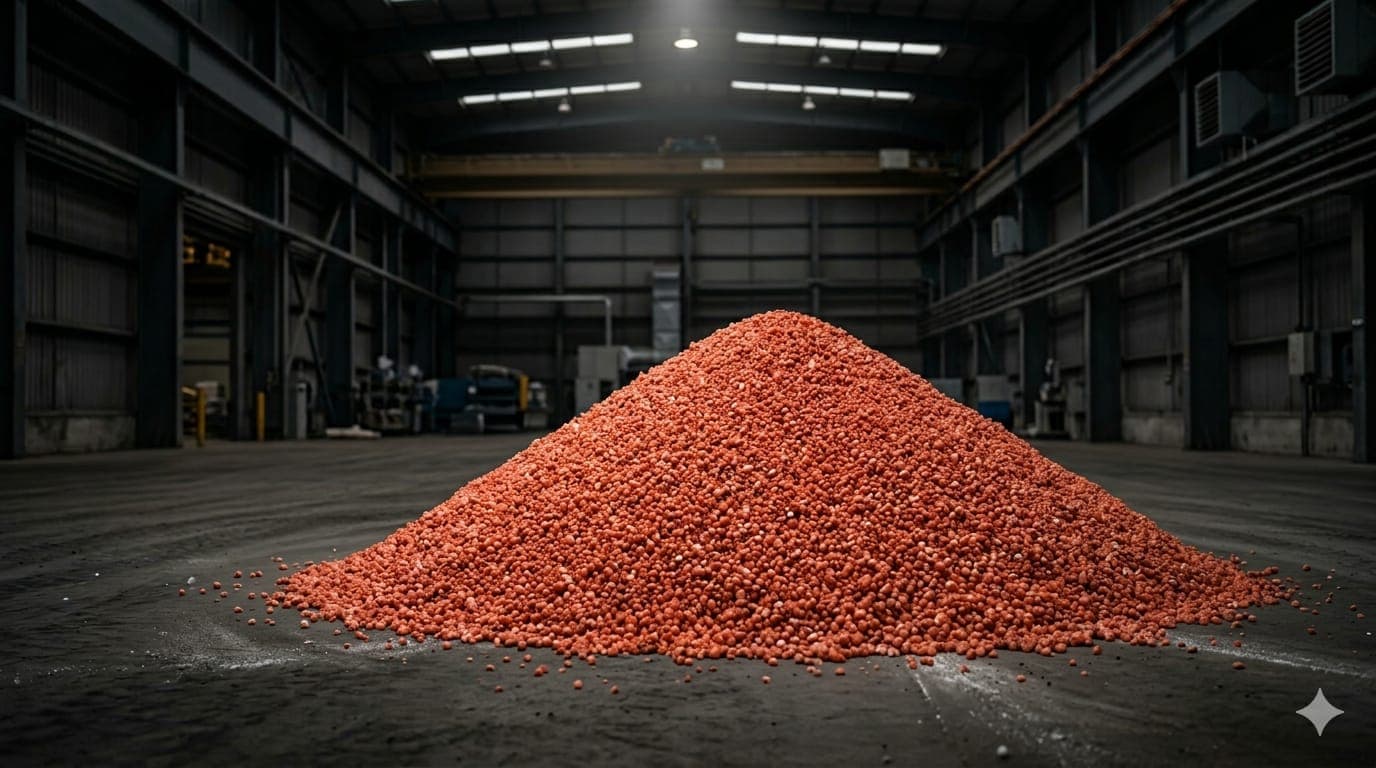
While nitrogen and phosphate fertilizers experienced severe volatility in 2026, the potash market has remained comparatively stable. Rising exports from Belarus, Russia, Canada and Laos are helping create a supply buffer despite broader disruptions across global fertilizer trade
We're committed to your privacy. Tradeasia uses the information you provide to us to contact you about our relevant content, products, and services. For more information, check out our privacy policy.