
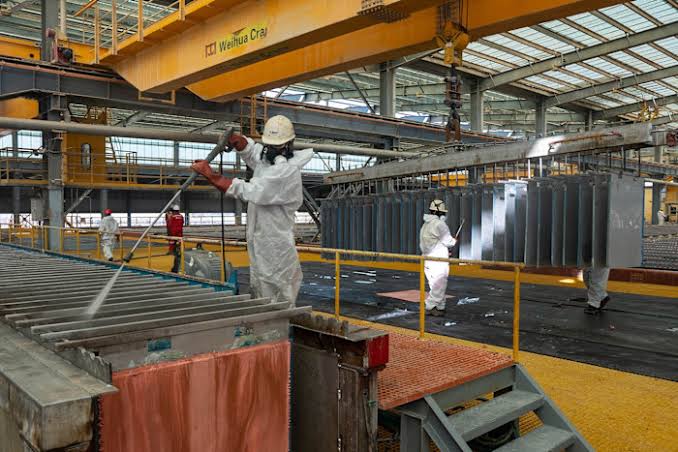
Ferrous Sulfate Monohydrate CAS: 13463-43-9
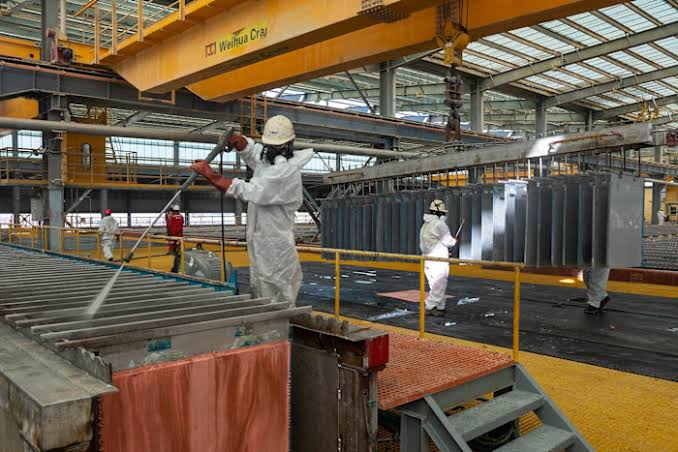
Ferrous Sulfate Monohydrate CAS: 13463-43-9

Government efforts to improve fertilizer affordability continue despite renewed market volatility. Procurement professionals and agricultural businesses should understand how long-term policy initiatives can strengthen supply resilience even when short-term prices remain elevated.

The 2024 Hormuz crisis exposed fragilities in global feedstock supply chains, spotlighting the resilience of post‑consumer recycled chemicals. This article explores how domestic circular feedstocks reduce procurement risk, advance sustainability, and strengthen the circular economy.

The 60-day diplomatic window following the June 2026 MoU is becoming a key milestone for green ammonia investments. Developers and industrial buyers are closely monitoring project timelines, supply security, and future procurement opportunities.

In early 2026 the global chemical market saw a dramatic price spike during the Hormuz crisis, only to reverse course by April even before shipping lanes fully reopened. This article dissects the panic‑driven surge, the factors that triggered the drop, and the procurement intelligence lessons that can help buyers mitigate volatility.

Today's Doha talks could reshape chemical shipping logistics across the Gulf. With elevated maritime risk, delayed vessel movements and cautious carrier policies, procurement teams need to understand how today's diplomatic outcome could affect Q3 sourcing, freight costs and supply chain planning.

The 2026 Hormuz crisis disrupted global chemical trade, but created major commercial winners. From OCP Morocco and Nutrien to Wanhua Chemical and US exporters, H1 2026 proved that supply chain disruption often shifts value rather than destroying it.
We're committed to your privacy. Tradeasia uses the information you provide to us to contact you about our relevant content, products, and services. For more information, check out our privacy policy.