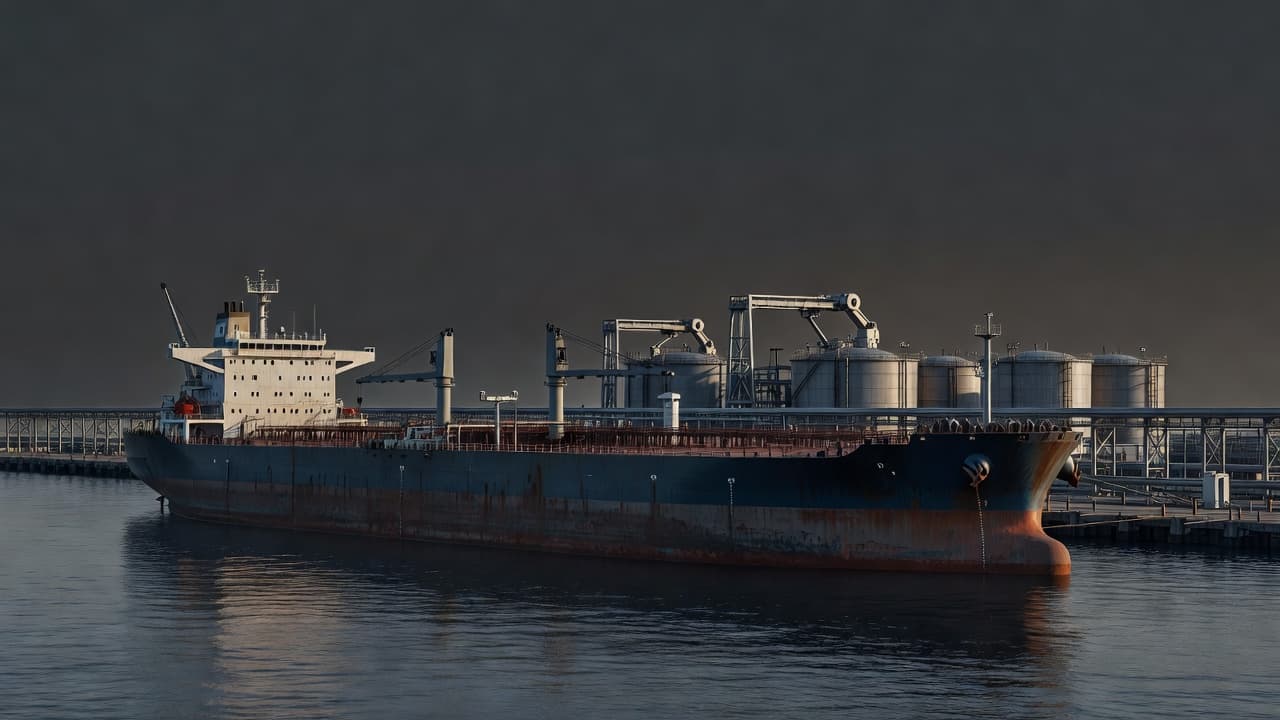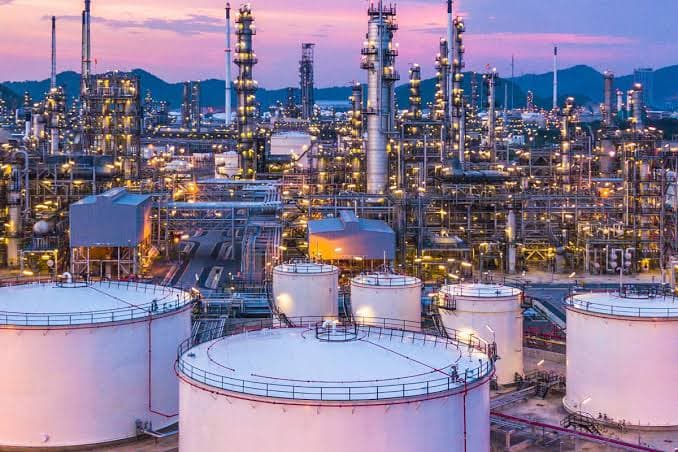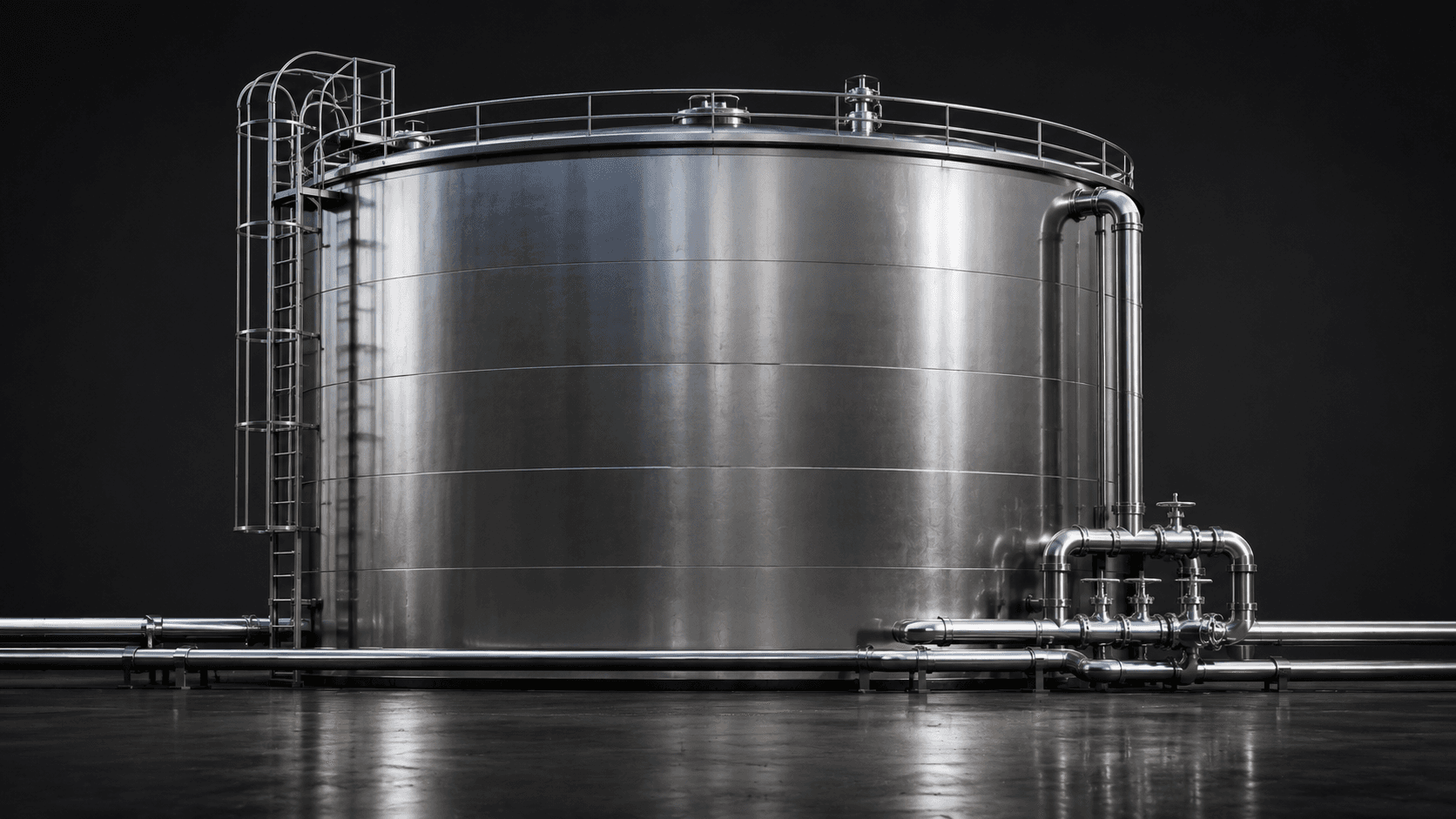
While much of the energy and chemical industry remains focused on the aftermath of the Hormuz disruption, another structural shift is quietly reshaping global feedstock trade.
The United States continues to expand its role as the world's dominant exporter of natural gas liquids (NGLs), with major investments in Gulf Coast export infrastructure creating additional capacity for ethane and propane shipments.
For chemical traders, petrochemical producers and shipping operators, these developments are more than infrastructure projects—they represent a long-term change in global feedstock flows that will influence freight markets, cracker economics and supply chain planning throughout 2026 and beyond.
Why NGL Exports Matter
Natural gas liquids occupy a critical position in global petrochemical value chains.
Key NGL products include:
Ethane
Propane
Butane
Natural gasoline
Among these, ethane and propane are particularly important because they serve as feedstocks for petrochemical production.
Ethane is widely used in steam crackers to produce:
Ethylene
Polyethylene
Ethylene derivatives
Propane supports:
Propylene production
LPG markets
Petrochemical feedstocks
Industrial fuel applications
As a result, NGL export infrastructure directly affects global chemical manufacturing competitiveness.
The Neches River Expansion
A major milestone in 2026 is the completion of additional export capacity at the Neches River Terminal in Texas.
The expansion adds substantial flexibility for exporting:
Ethane
Propane
Mixed NGL streams
The significance extends beyond volume alone.
Additional export capacity improves:
Vessel loading efficiency
Terminal flexibility
Market access
Supply chain resilience
For international buyers, this strengthens the reliability of US Gulf Coast feedstock supply.
Why Asian Crackers Depend on US Ethane
Over the past decade, Asian petrochemical producers have increasingly invested in infrastructure designed to process imported US ethane.
Key destinations include:
South Korea
Japan
India
China
These facilities benefit from:
Competitive feedstock economics
Diversified sourcing
Stable supply availability
As additional export capacity becomes available, US ethane is expected to remain an important component of Asian petrochemical supply chains.
The story does not end with ethane.
Additional LPG export capacity scheduled for late 2026 will further increase Gulf Coast export activity.
This expansion supports growing demand for:
Propane
Butane
LPG feedstocks
Global LPG demand continues to benefit from:
Petrochemical consumption
Residential energy markets
Industrial fuel applications
As export capacity grows, vessel demand is expected to remain strong.
Why Shipping Congestion May Persist
At first glance, additional terminal capacity might appear likely to reduce congestion.
In practice, the opposite may occur.
New export infrastructure often attracts additional cargo volumes that increase overall traffic levels.
This creates pressure on:
Vessel scheduling
Pilot services
Port infrastructure
Channel capacity
Storage systems
The result is a logistics environment where capacity expansion and congestion can coexist.
For shipping operators, this means continued operational complexity.
Hormuz Recovery Does Not Solve Gulf Coast Congestion
Many market participants expect shipping conditions to improve as Middle Eastern trade routes normalize.
However, US Gulf Coast logistics operate under different dynamics.
Even if Hormuz-related disruptions continue easing, Gulf Coast export activity remains supported by:
Rising NGL production
New terminal capacity
Strong Asian demand
Petrochemical feedstock requirements
These structural factors create a separate source of logistics pressure.
Consequently, freight normalization may take longer than some observers expect.
Impact on Chemical Traders
Chemical traders should closely monitor developments because NGL markets influence numerous downstream products.
Important linkages include:
Ethylene Chain
Polyethylene
Ethylene glycol
Vinyl derivatives
Propylene Chain
Polypropylene
Acrylics
Propylene oxide
LPG Markets
Fuel applications
Petrochemical feedstocks
Industrial consumption
Changes in feedstock availability can quickly influence downstream pricing and margins.
Procurement Implications
Buyers dependent on NGL-derived products should consider several actions.
Monitor Export Infrastructure
Terminal developments increasingly affect feedstock availability.
Review Freight Exposure
Shipping costs remain a significant factor in delivered economics.
Diversify Feedstock Assumptions
Supply chains should account for logistics disruptions even during periods of apparent market stability.
Track Asian Cracker Demand
Regional feedstock demand remains a key driver of export activity.
Evaluate Inventory Strategies
Longer lead times may justify higher inventory coverage in certain markets.
These measures can improve resilience as logistics conditions evolve.
What to Watch Through Q4 2026
Several indicators will determine market direction.
Export Terminal Utilization
Higher utilization typically supports vessel demand.
VLGC Availability
Shipping capacity remains critical for LPG and ethane exports.
Asian Petrochemical Margins
Cracker economics influence feedstock purchasing behavior.
Gulf Coast Production Growth
Additional NGL output supports export volumes.
Freight Market Trends
Transportation costs continue influencing trade competitiveness.
Together, these indicators will shape the next phase of global NGL trade.
Conclusion
The expansion of US Gulf Coast NGL export infrastructure represents one of the most important developments in global petrochemical logistics during 2026. New ethane and LPG capacity is strengthening America's position as a critical supplier to Asian petrochemical markets while simultaneously creating additional pressure on shipping networks.
For chemical traders, the key takeaway is that Gulf Coast logistics are likely to remain active and occasionally congested even as other global shipping disruptions begin to ease. The combination of growing export capacity, strong Asian demand and rising NGL production creates a structural support mechanism for freight activity through the remainder of the year.
In an increasingly interconnected chemical market, understanding NGL logistics is becoming just as important as tracking feedstock prices themselves.
Corn Gluten Feed CAS: 66071-96-3