

Acrylic Acid (99.5%) - China CAS: 79-10-7

Acrylic Acid (99.5%) - China CAS: 79-10-7

Debate over the EPA's updated diesel emissions proposal continues as industry groups argue that the framework does not fully address the needs of small-truck operators and agriculture-dependent businesses. Procurement professionals should understand how regulatory changes could affect fertilizer logistics and transportation costs.

Retailers are tightening their standards on synthetic food dyes, setting 2026‑2027 deadlines that force manufacturers to reexamine ingredient sourcing and reformulation strategies. The shift toward natural colorants and clean‑label compliance reshapes product development, cost structures, and supply chains. This article breaks down the commitments, impacts, and practical steps for food companies.
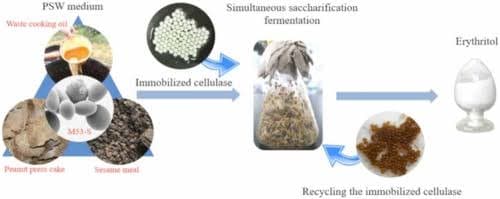
Chinese erythritol producers expanded fermentation capacity through H1 2026 just as GLP-1 driven demand for sugar-free products began accelerating globally. For food and beverage manufacturers, July may be the strongest opportunity to lock competitive H2 erythritol supply before structural demand growth tightens the market later this year.

As Gulf supply chains begin physically recovering (34 Kpler crossings June 30), the commercial and legal process of formally closing

ECHA's upcoming SVHC candidate list update could introduce new compliance obligations for pharmaceutical excipient supply chains. Procurement and regulatory teams should prepare monitoring procedures to identify affected substances as soon as new candidate entries are published.
China became the world's swing supplier during the Hormuz crisis, filling global supply gaps across commodity and specialty chemicals. As Gulf exports recover in H2 2026, Beijing is strengthening domestic chemical manufacturing while international buyers shift toward balanced multi-origin sourcing strategies.
We're committed to your privacy. Tradeasia uses the information you provide to us to contact you about our relevant content, products, and services. For more information, check out our privacy policy.