
Pentaerythritol CAS: 115-77-5
Pentaerythritol CAS: 115-77-5

Four major US chemical companies suspended production lines for polystyrene, PVC, styrene and related products during early July 2026. Procurement teams should evaluate how reduced operating capacity may affect product availability, regional pricing and future sourcing strategies.
A sweeping shift in grocery aisles shows that consumers are prioritizing clean labeling. With 62% demanding ingredient transparency, food manufacturers are rethinking sourcing, formulation and packaging. This article explores the ripple effects across the industry.
Fermentation-based marine ingredients such as algal DHA, astaxanthin and beta-glucan offer food manufacturers a more resilient supply chain during periods of global shipping disruption. Procurement teams should understand why production geography matters as much as ingredient performance.
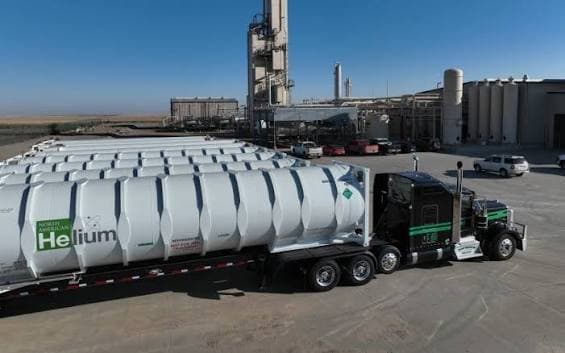
The 2026 Hormuz crisis created one of the most overlooked commodity disruptions in global markets: helium. Damage to Qatar’s Ras Laffan LNG infrastructure reduced helium production capacity, creating a structural supply shortage that may persist for years even as shipping conditions across Hormuz begin improving.
The global titanium dioxide (TiO2) market remains divided between Chinese oversupply and European supply constraints. As Brent crude falls below $80 per barrel and freight costs ease, Chinese TiO2 exports are becoming increasingly competitive in Europe, reshaping procurement decisions for coatings, plastics, and pigment buyers.
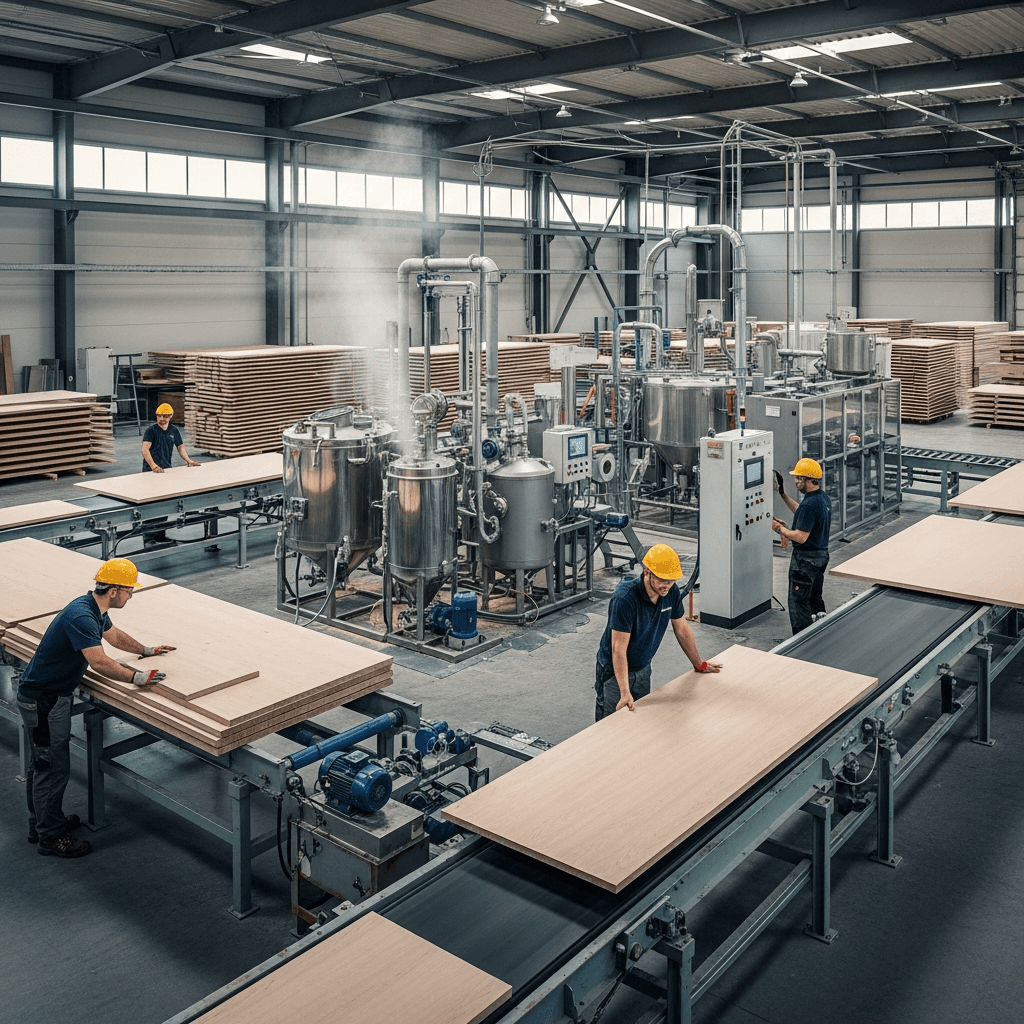
The acetic acid market is facing renewed pricing pressure as Chinese export volumes increase while Middle East supply gradually returns after Hormuz-related disruptions. Buyers need to assess supply trends, regional competition and procurement strategies for H2 2026.
We're committed to your privacy. Tradeasia uses the information you provide to us to contact you about our relevant content, products, and services. For more information, check out our privacy policy.