

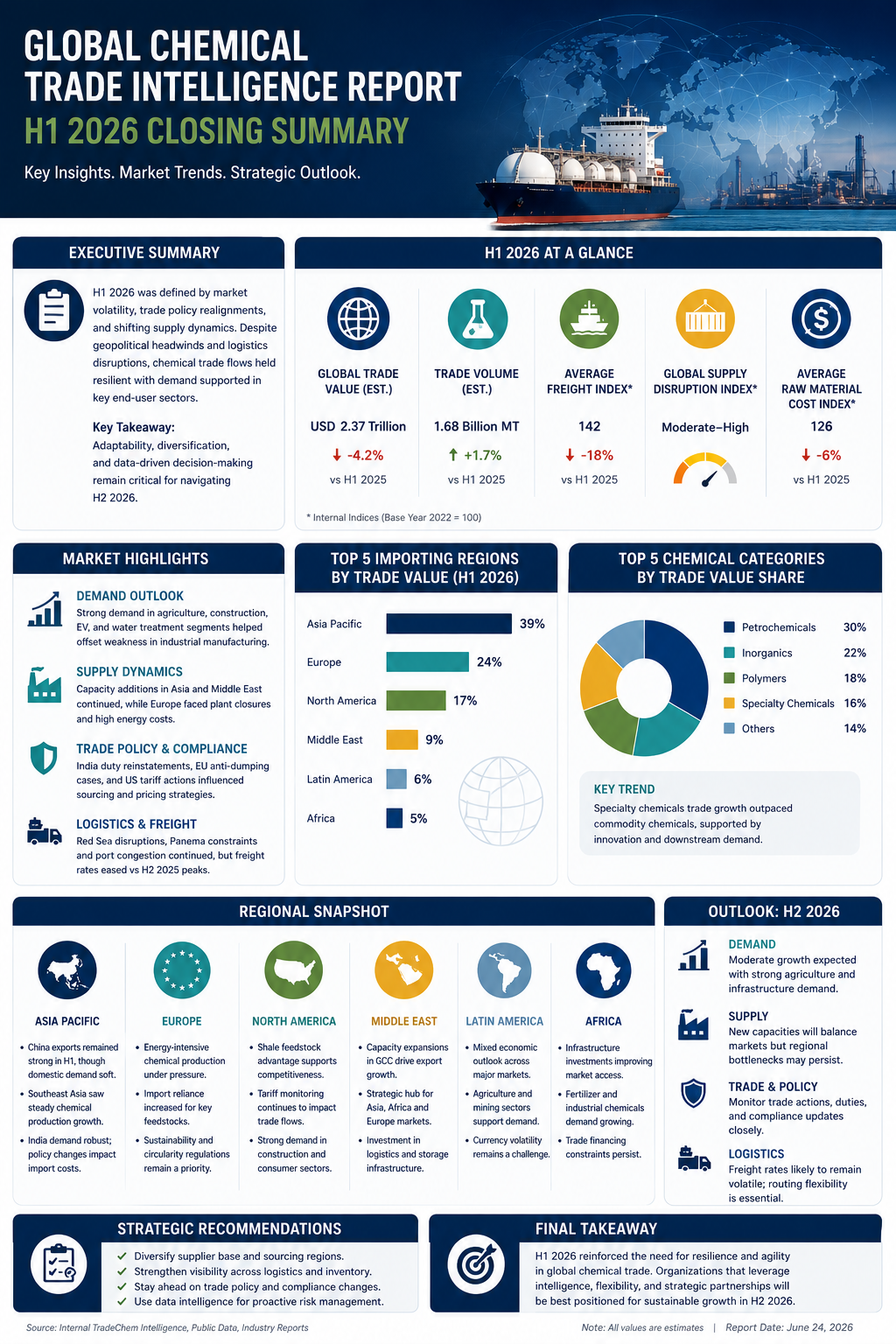
Related Insights

Healthcare Policy and Trade Policy Collide: What Overlapping Risks Mean for Chemical Compliance
Healthcare policy changes and renewed trade disruptions are creating a complex compliance environment for pharmaceutical and chemical companies. Procurement and compliance teams should prepare for simultaneous regulatory, logistics and supply chain challenges.
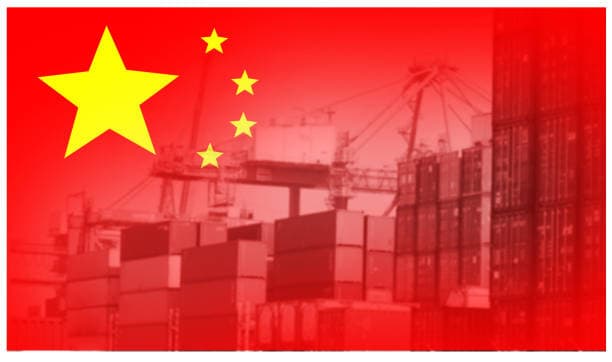
China's 2025 Export Restrictions Still Echo Through 2026 Fertilizer Logistics
China’s early 2025 export curbs are reshaping global fertilizer flows into 2026, forcing shippers to rethink routes, sourcing and inventory. The ripple effects touch every corner of the supply chain, from African farms to European ports.

MEG: The 6.5 Million Tonne Gulf Export That Reshaped Asian Polyester Supply Chains
The disruption of Gulf MEG exports has transformed procurement strategies across Asia's polyester industry. As shipments begin moving again, buyers must understand transit timelines, supply recovery patterns and pricing risks before inventories normalize.
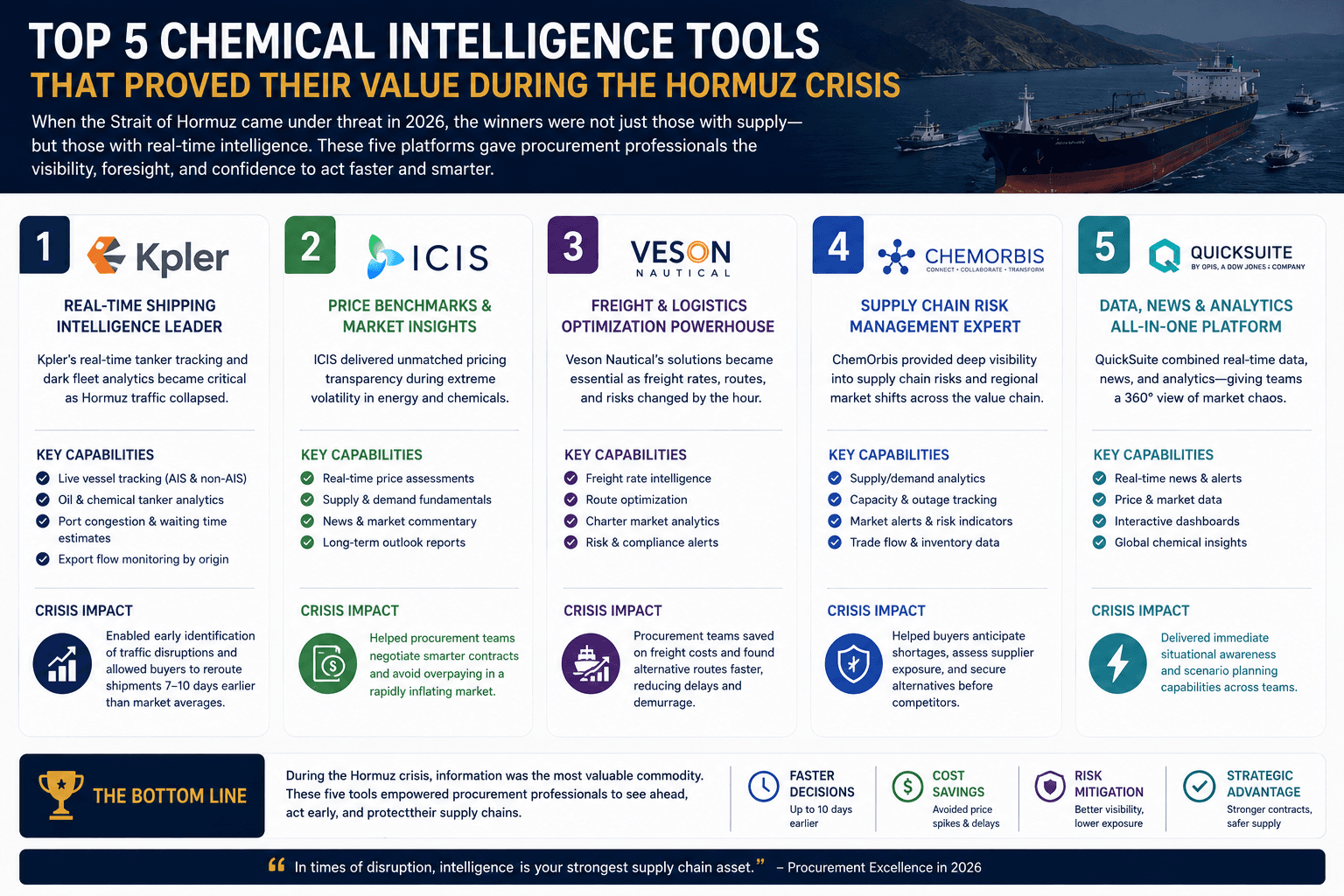
Top 5 Chemical Intelligence Tools That Proved Their Value During the Hormuz Crisis
The 2026 Hormuz crisis proved that traditional procurement systems are no longer enough during global supply chain disruption. Tools like Straits.live, ICIS, Xeneta, Kpler, and IMF PortWatch gave chemical buyers the real-time intelligence needed to make faster and smarter procurement decisions when conventional supplier communication failed.
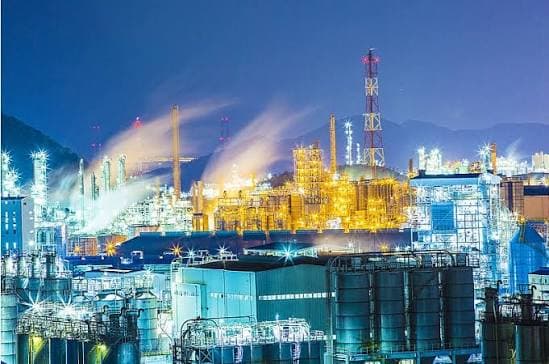
South Korea Chemical Watch: H1 2026 Closing Review of the Force Majeure Wave
South Korea's petrochemical industry closes H1 2026 after experiencing the most extensive force majeure declarations of any major chemical-producing nation during the Hormuz disruption. As feedstock supplies recover, buyers and suppliers are shifting their focus toward contract resumption and Q3 delivery planning.
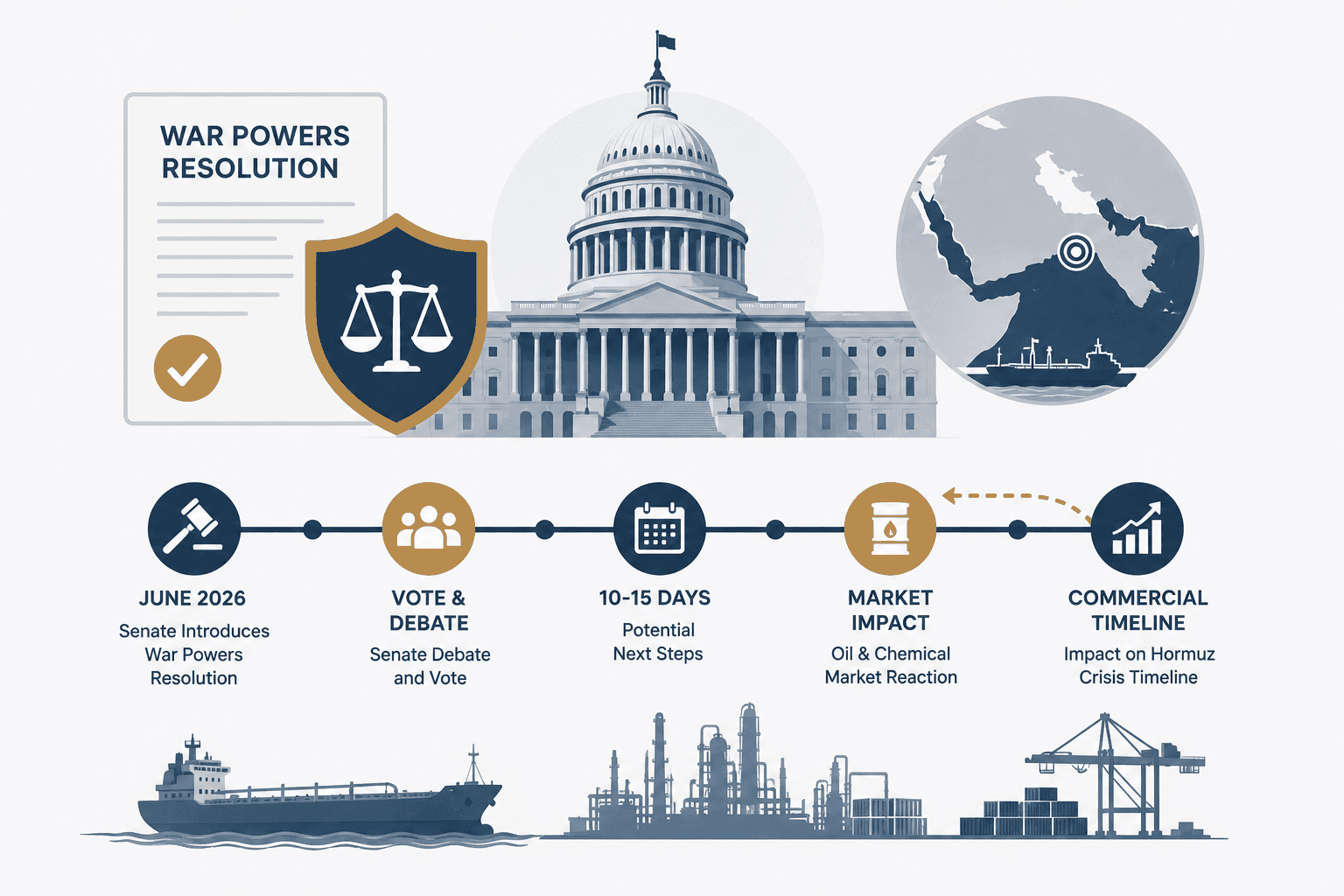
US Senate War Powers Resolution: What It Means for the Hormuz Crisis Commercial Timeline
The US Senate’s war powers resolution against Trump’s Iran conflict strategy may accelerate diplomatic pressure around the Hormuz crisis. For chemical markets, faster political de-escalation could mean quicker supply chain recovery and a more positive H2 2026 outlook.
Don't miss out on our updates! Subscribe to our newsletter now
We're committed to your privacy. Tradeasia uses the information you provide to us to contact you about our relevant content, products, and services. For more information, check out our privacy policy.