
Related Insights
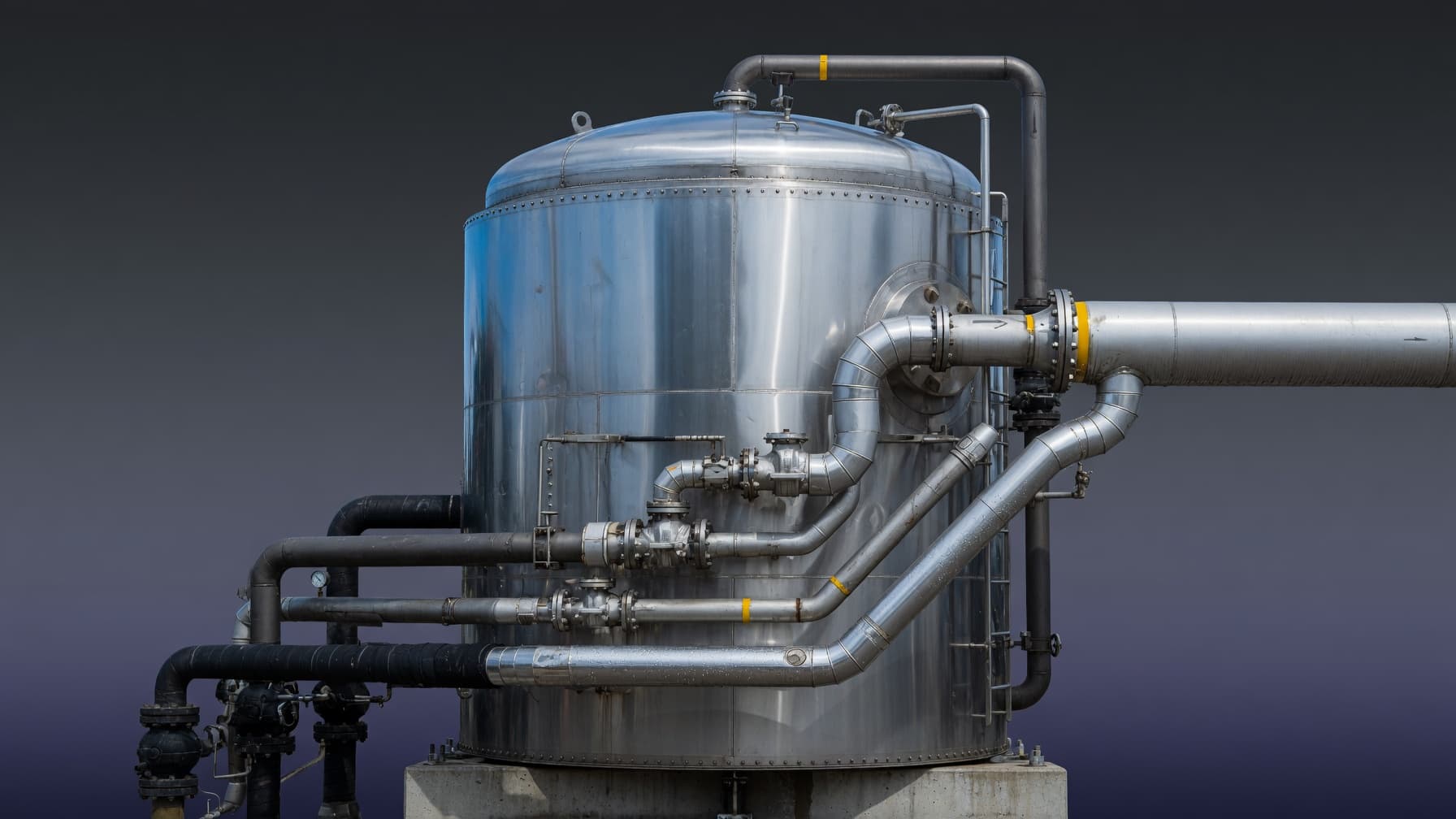
Naphtha Supply Halted: How Asia's Petrochemical Makers Are Responding to Hormuz Disruptions
The disruption of naphtha shipments through the Strait of Hormuz has placed renewed pressure on Asia's petrochemical industry. Buyers of olefins, polymers and downstream petrochemicals should reassess feedstock exposure and supplier resilience as market conditions evolve.
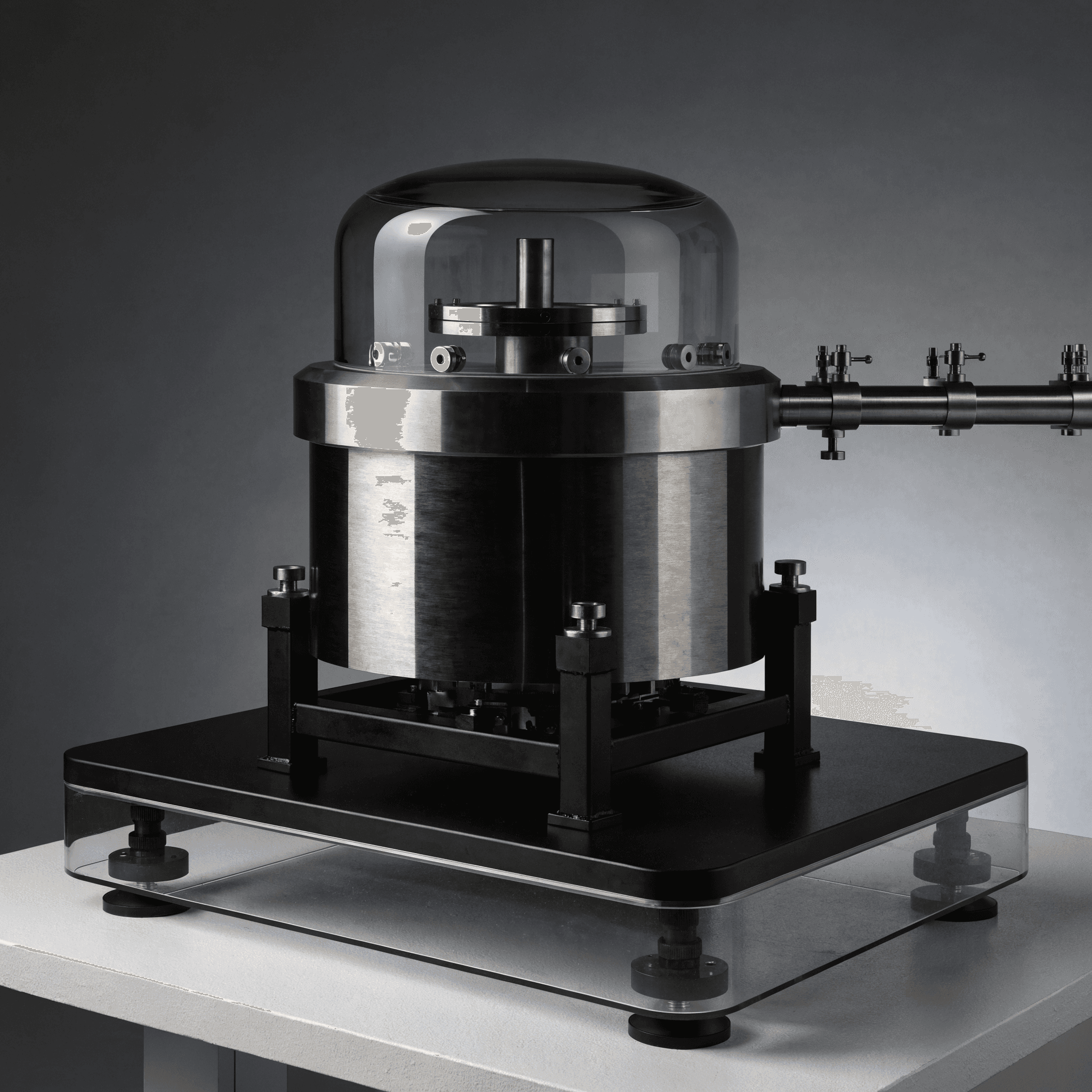
China Text Helium Block and NMR Spectroscopy: What the Supply Crisis Means for Pharmaceutical Quality Control
Helium supply constraints are creating new challenges for pharmaceutical laboratories that rely on NMR spectroscopy for quality control. Procurement teams should review helium inventories, supplier allocations and long term supply resilience before laboratory operations are affected.

OCP's Pyrite Sulfur Research: What Reducing Oil Refinery Dependency Means for Chemical Supply Chain Sustainability
OCP is researching sulfur extraction from pyrite and pyrrhotite as an alternative to refinery by-product sulfur. This development could reshape long-term sulfur supply and support a more resilient and lower-carbon phosphate fertilizer value chain.
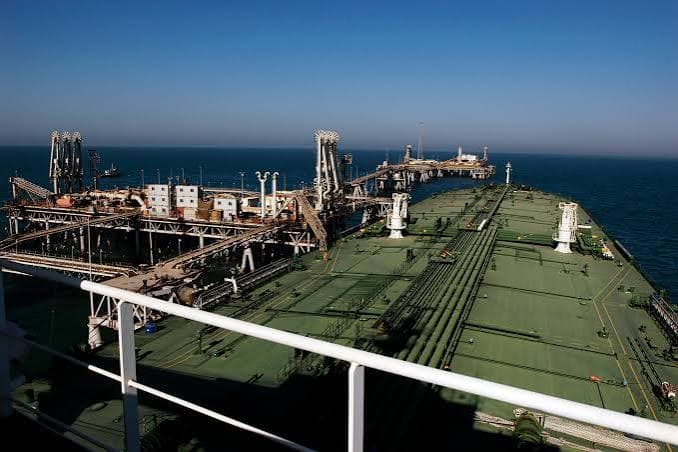
Iran’s “Service Fees”: What Toll-Based Passage Would Cost the Chemical Industry Annually
Iran’s proposal to charge “service fees” for Hormuz passage could permanently reshape the economics of global chemical trade. If transit charges become permanent, Gulf-origin chemical supply chains may face $500 million to $1.5 billion in additional annual costs that buyers will ultimately absorb through higher contract pricing.

Top 10 Commercial Beneficiaries of the 2026 Hormuz Crisis: Final H1 Ranking
The 2026 Hormuz crisis disrupted global chemical trade, but created major commercial winners. From OCP Morocco and Nutrien to Wanhua Chemical and US exporters, H1 2026 proved that supply chain disruption often shifts value rather than destroying it.
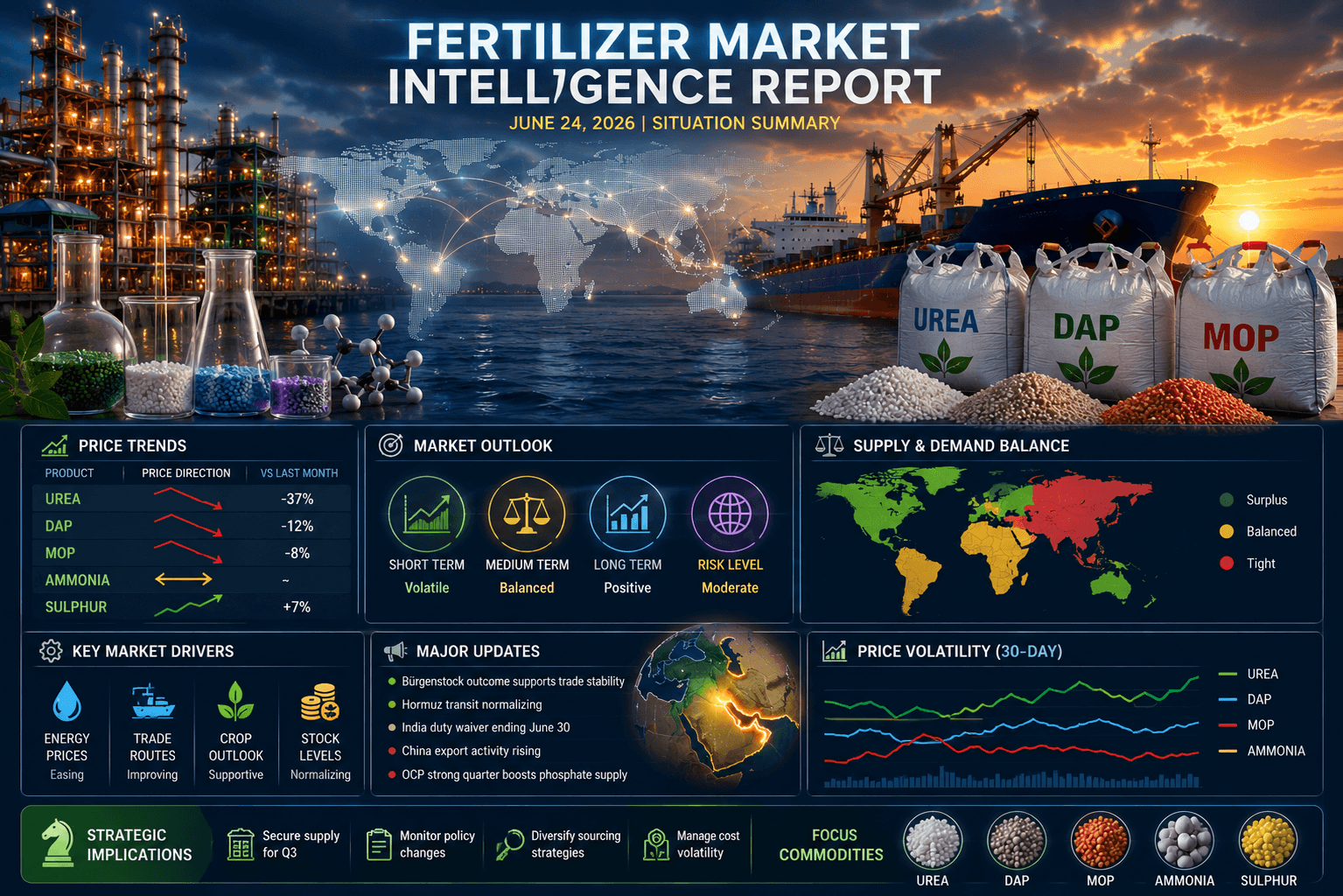
Fertilizer Market Intelligence Report: June 24, 2026 Situation Summary
Global fertilizer markets are stabilizing after months of disruption, but June 2026 remains a critical procurement window. Urea prices are down 36%, ammonia exports may restart in July, and fertilizer buyers must navigate supply recovery, policy deadlines, and pricing uncertainty.
Don't miss out on our updates! Subscribe to our newsletter now
We're committed to your privacy. Tradeasia uses the information you provide to us to contact you about our relevant content, products, and services. For more information, check out our privacy policy.